

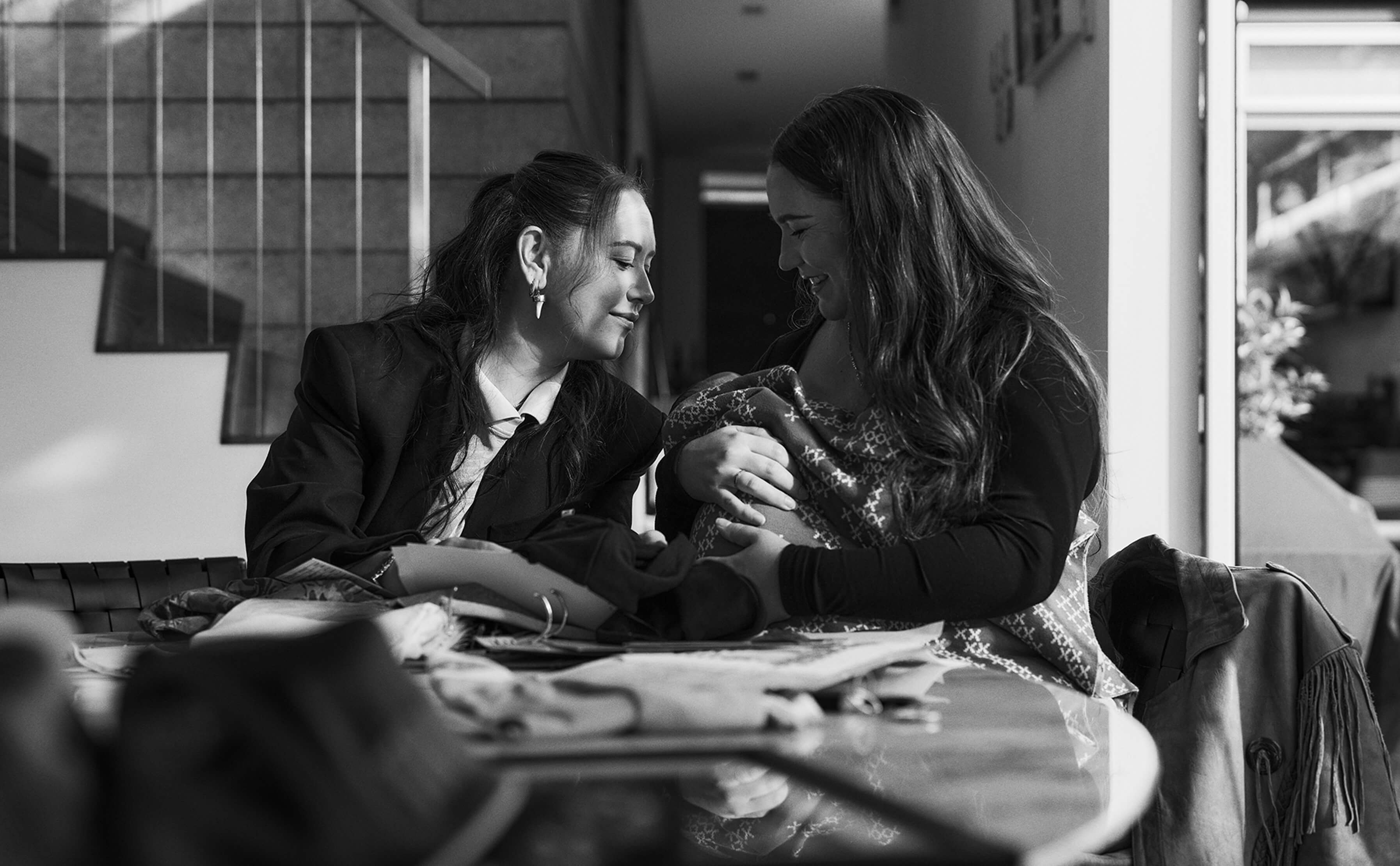
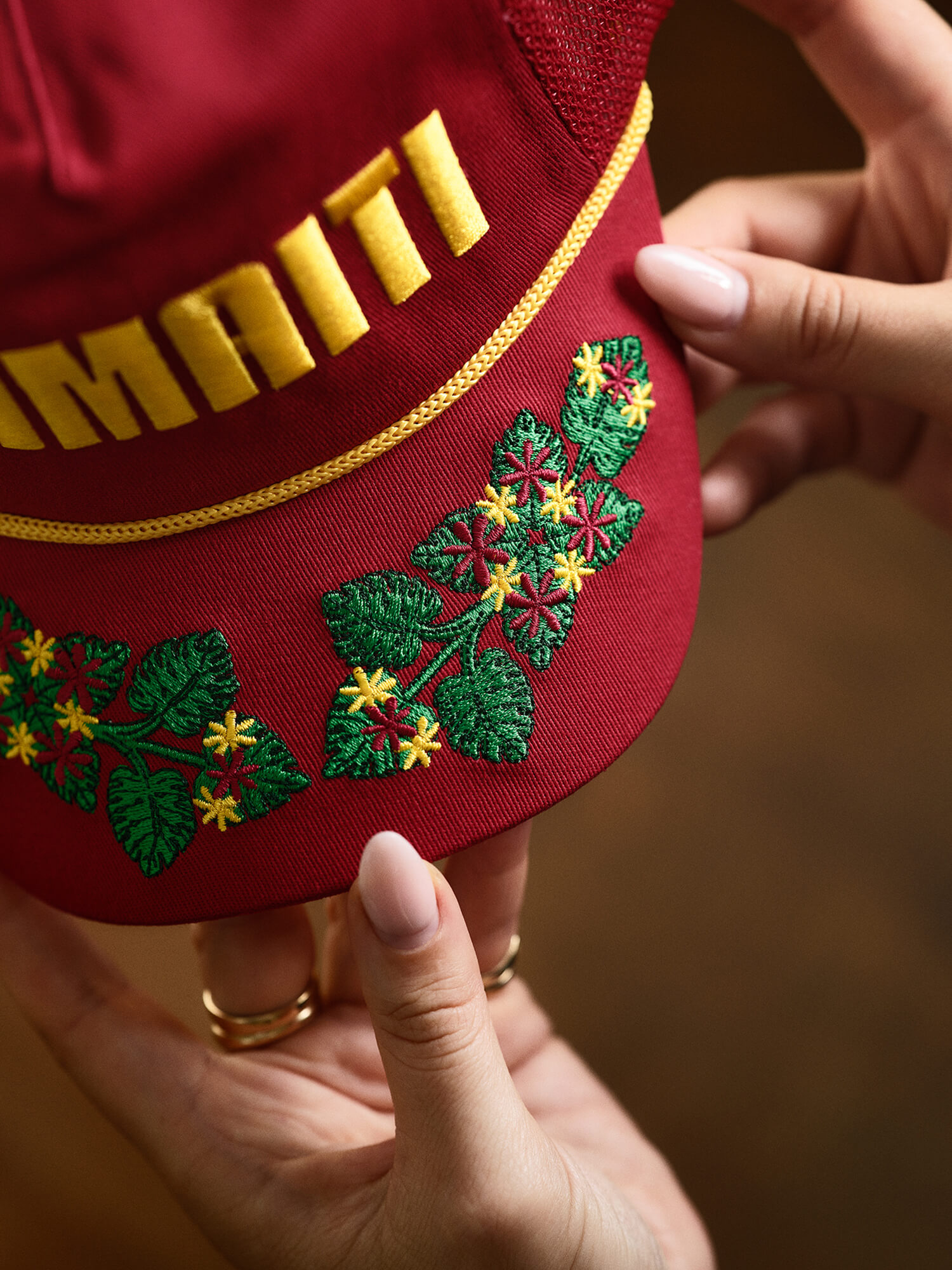
Tamaiti
Everyday Whakapapa.
Tamaiti began with a problem that many parents know well.
Not a lack of clothing, but a lack of recognition.
Te Ura (Ngāpuhi, Ngāti Hau, Rarotonga) and Antonia (Tonga, Pākehā) were raising young boys connected to multiple whakapapa and cultural traditions. They wanted quality kākahu that reflected the realities of their tamariki and the communities surrounding them. What they found instead was a market full of compromises. Quality without connection. Representation without depth. Culture treated as decoration rather than something lived and carried every day.
The decision to build something themselves emerged from friendship, motherhood, and a shared understanding that identity is shaped long before children have the language to describe it. The things they wear, the stories they encounter, the people around them, and the environments they move through all contribute to how they understand themselves and their place in the world.
That responsibility sits heavily throughout their work.
Tamaiti is often described as a children's wear label, but clothing is only one part of the story. The project is equally concerned with whakapapa, representation, and the question of what it means to raise children who feel connected to every part of who they are. In a country where many tamariki are growing up across multiple cultures, languages, and histories, that question feels increasingly relevant.
The strength of the brand lies in its restraint. Culture is not applied to the work as a surface treatment. It exists in the thinking behind it. In the artists they collaborate with. In the references they choose to carry forward. In the belief that identity should be present in everyday life rather than reserved for special occasions.
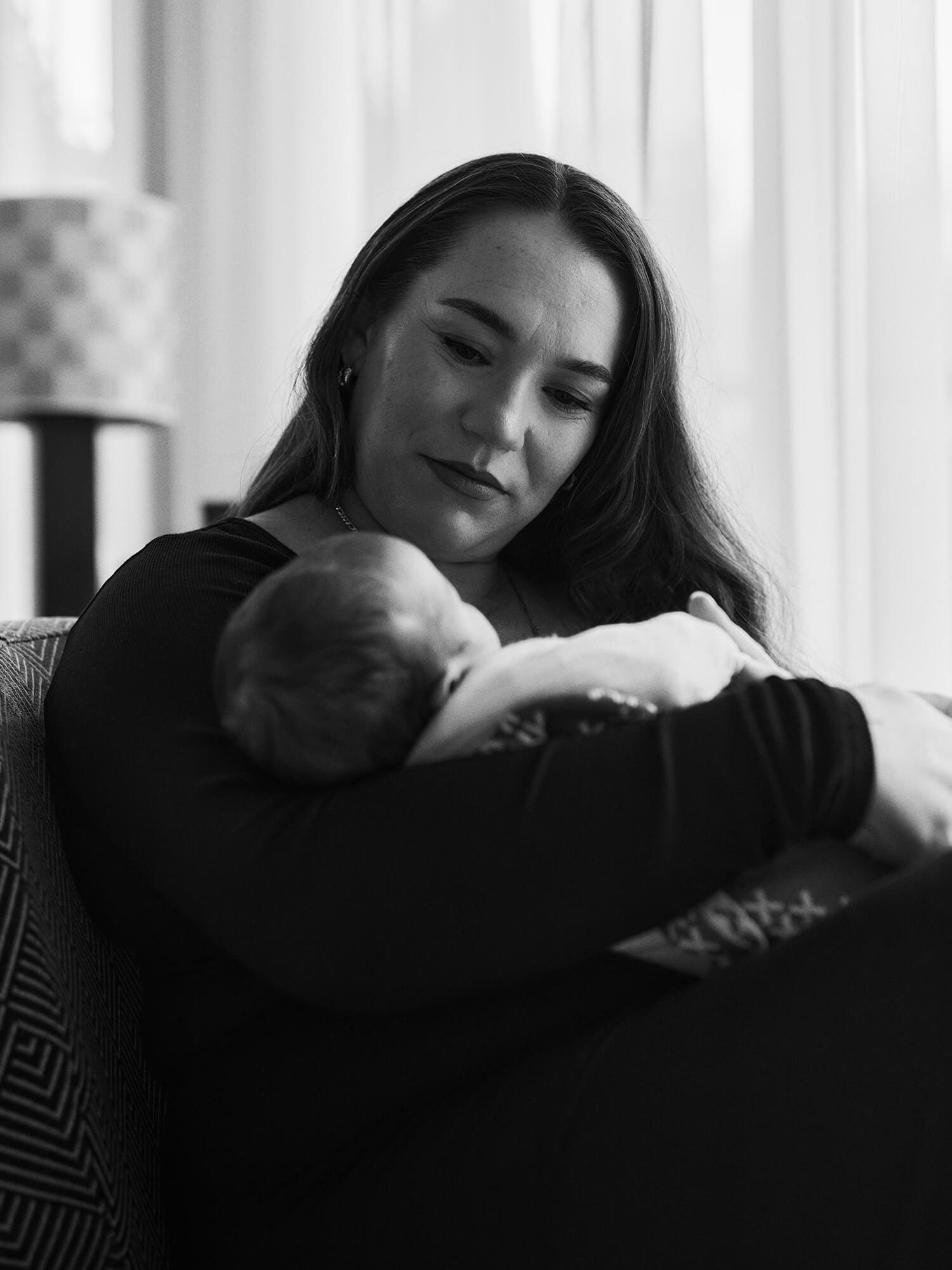
Community sits at the centre of that thinking. Both wāhine speak about the role of grandparents, aunties, uncles, cousins, friends, and chosen whānau in raising children. The idea that it takes a village to raise a child is not a slogan. It is a lived reality that informs the way they parent, the way they work, and the future they hope to help create.
There is a quiet confidence to what they are building. Not because it promises to be everything for everyone, but because it is deeply certain about who it serves.
The garments will eventually be outgrown.
The values behind them are intended to remain.
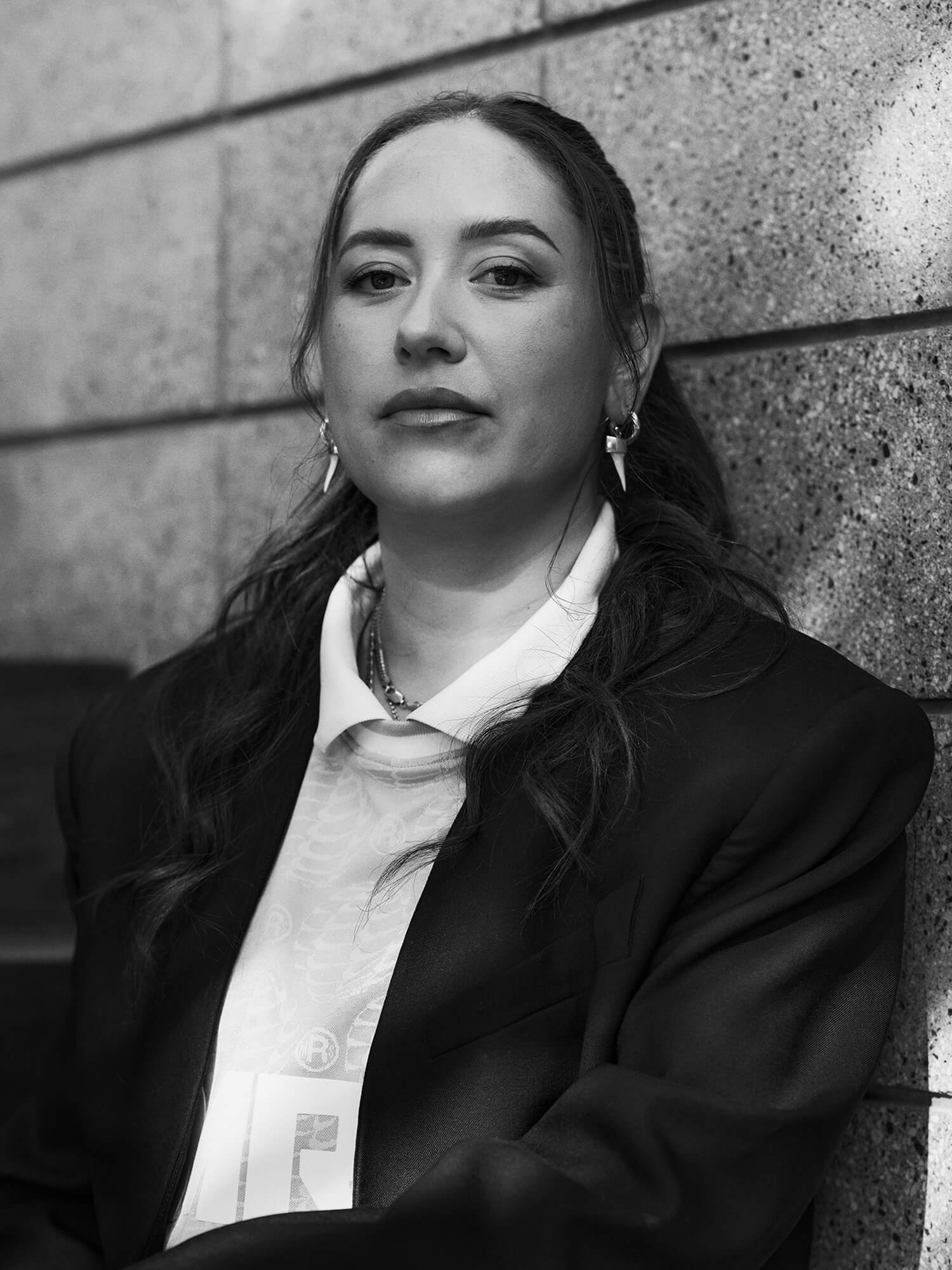
You've been friends for over a decade. What did you recognise in each other early on that you didn't find everywhere?
Te Ura - Antonia always bought a sense of stability and honest friendship. I loved her immediately for this.
Antonia - I really admired Ura’s strong sense of self, her values and her honesty. She is an incredibly loving and loyal friend who always makes time for the people close to her.
Has the friendship changed since you became business partners, or has it deepened?
Antonia - Becoming māmā at the same time definitely brought us closer. Our first babies are only three months apart, so it was really special to navigate such a huge life change together and support one another through it. Becoming business partners has really just meant we get to spend even more time together.
Between you, you carry Ngāpuhi, Ngāti Hau, Rarotonga, Tonga, and Pākehā whakapapa. Did you always talk openly about that, or did it take time?
Te Ura - Āe, whakapapa has always been at the forefront of my identity, so it has naturally always been a topic of conversation. Both Antonia and I were very close to our Kuki Airani and Tongan grandmothers and they really are and have been big influences on us and our Moana Nui identities!
How does that breadth of whakapapa shape what Tamaiti is and who it's for?
Whakapapa has always been at the forefront of Tamaiti’s ethos. It has heavily influenced both the style and kaupapa behind the brand. We wanted our tamariki and their cultures to be represented in the kākahu they wear every day, not just in special occasion pieces.
Was there a moment in the friendship where you both knew you could build something together?
Te Ura - As new māmā together, we really were navigating all things māmā together. Kākahu is a huge part of my mahi outside of Tamaiti, and I knew Antonia and I shared similar views around quality and style in childrenswear. We really struggled to find brands that ticked all the boxes, and it became a common topic of conversation between us. The idea of Tamaiti really grew from there.
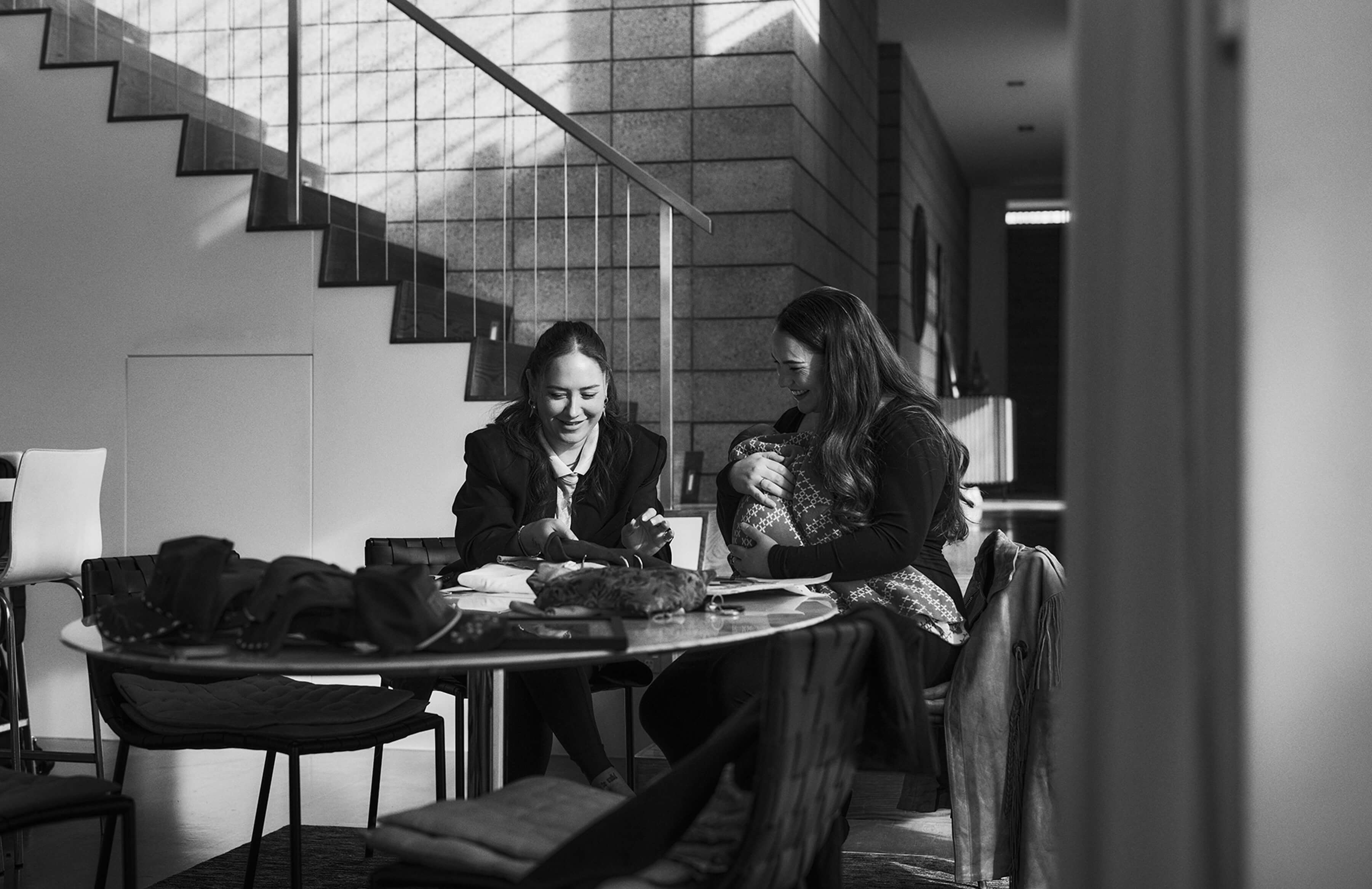
Between you, three boys carrying multiple whakapapa. What did becoming a mother change about how you saw the world?
The whakatauki he rangatira mō āpōpō never made so much sense! Becoming māmā shifted everything, suddenly the future felt much bigger than just ourselves. It made us think deeply about what we are passing on to our tamariki, not just materially, but culturally, emotionally and spiritually too.
What did you want your tamariki to grow up feeling about who they are?
Te Ura - I want for my boys to know all parts of their mixed whakapapa, we are very strong kaupapa Māori whāre, the boys also attend A’oga Fa’a Samoa, this is shaping their identity hugely at this point in time, it is important to me that they equally know their Kuki Airani and Pakeha whakapapa also.
Antonia - I share the same feelings. It’s really important to me that our tamariki grow up connected to every part of who they are. We’ve intentionally introduced cultural learnings that weren’t as prominent in my own upbringing, and as a whānau we’ve embraced that journey together. When we welcomed our son into the world we begun our own reo Māori journey alongside him. We want our tamariki to grow up feeling proud of their identity, with culture being a natural part of their everyday lives.
Where did Tamaiti come from, was it a slow realisation or did it arrive quickly?
Antonia - It all happened relatively quickly. We were both shopping for our boys at the same time and constantly talking about how difficult it was to find pieces that felt like the right balance of quality, longevity and style. Te Ura had skills that could translate naturally into this mahi, and I was looking for a creative outlet where I could use some of the skills from my design degree. After a few kōrero, we knew between us it was a real possibility.
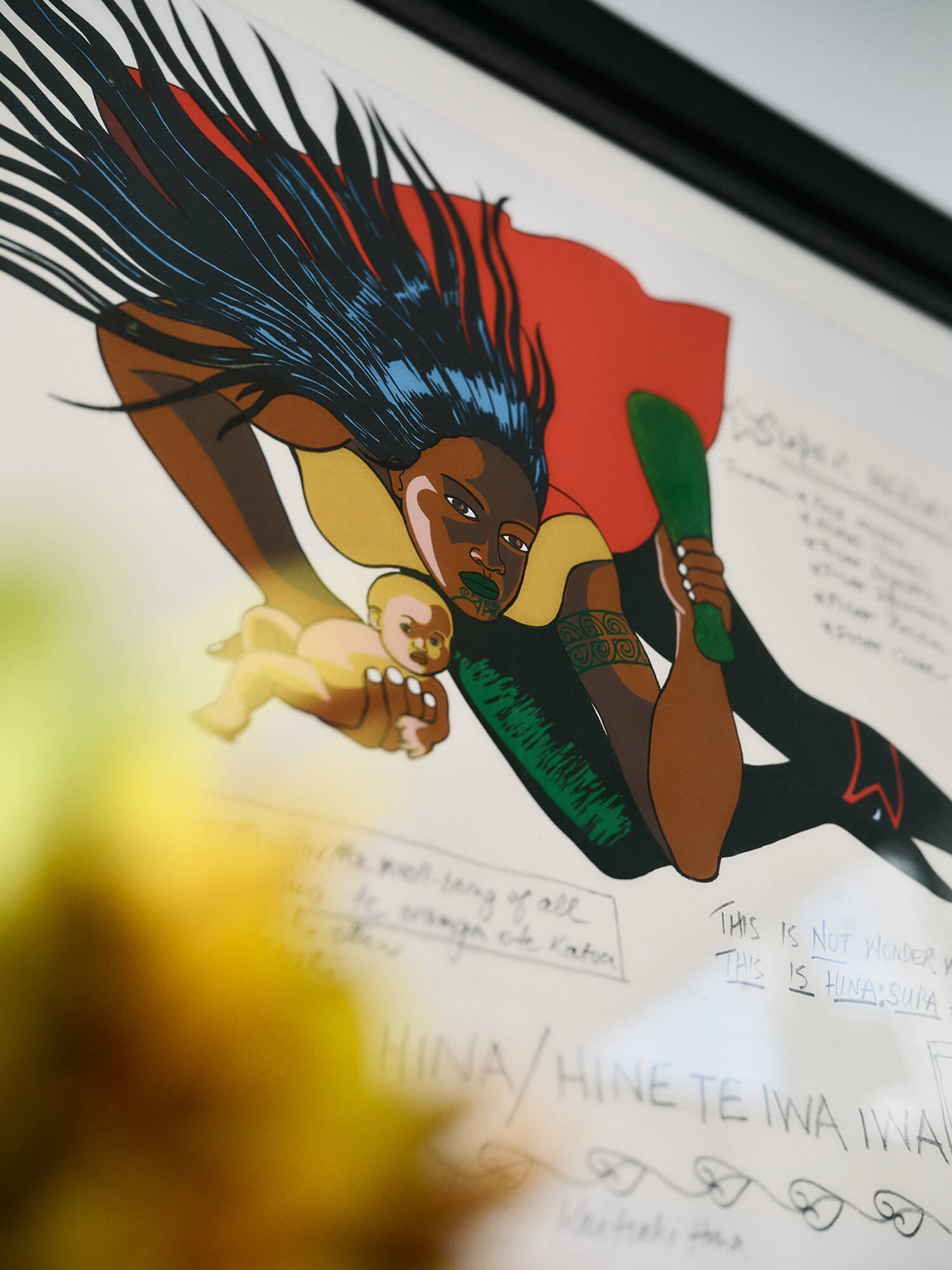
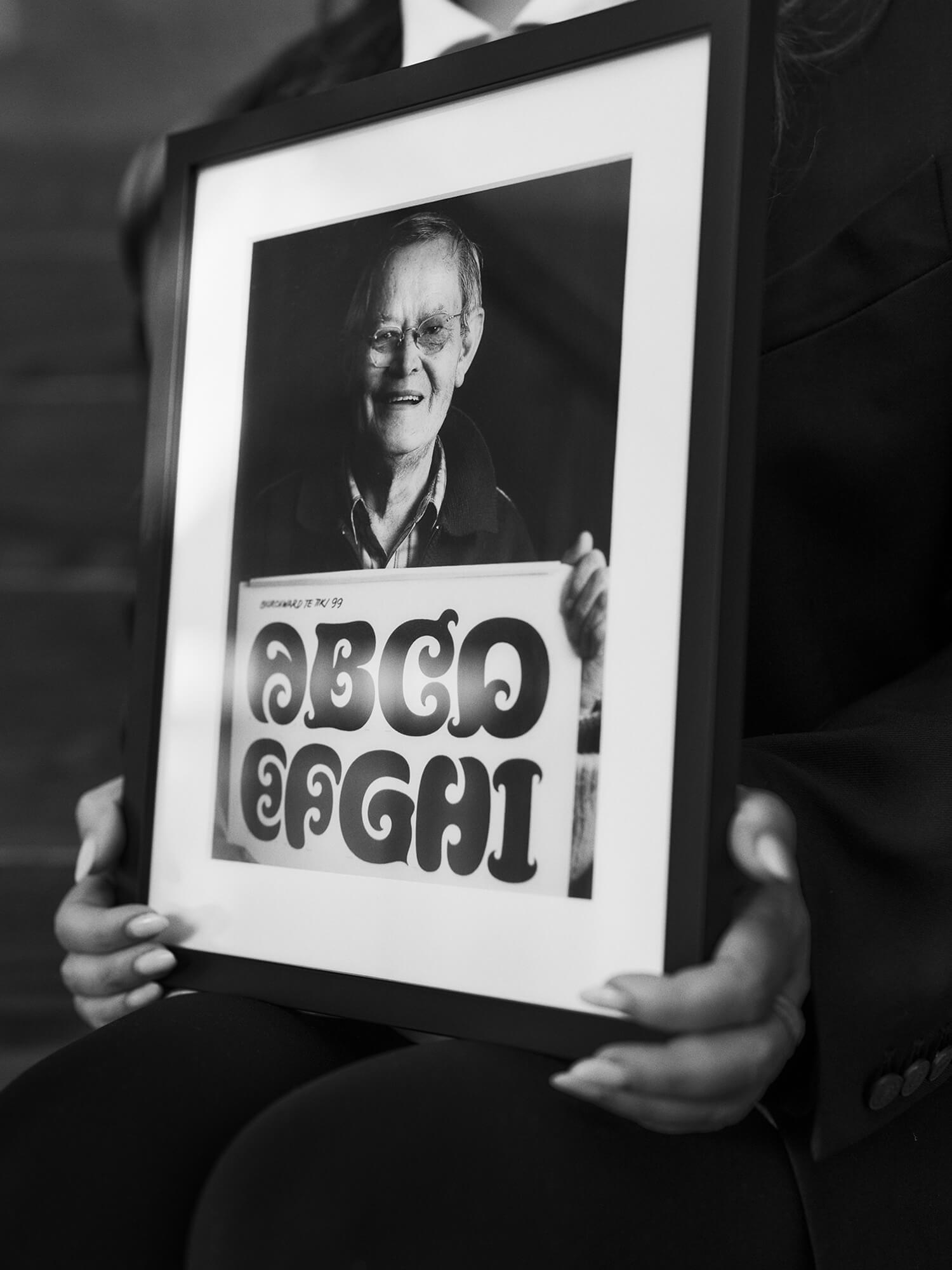
Whakapapa runs through everything Tamaiti Store - from the Robyn Kahukiwa piece that drew you in, to the typography on the page, designed by Joseph Churchward QSM, who is whānau. Can you take us deeper into both of those inspirations and what it means to carry that lineage into your work?
Te Ura - Āe yes, the Robyn Kahukiwa piece lives proudly in my hallway. When thinking of inspiration or meaning for Tamaiti, I was always drawn to the Māori super hero figure as iconography. Deeper into that the Superhero is a wahine carrying a pēpi, and that image really solidified for us the strength behind Māmā raising their tamariki, and how this is a direct representation of whakapapa
Joseph Churchward is the great grandfather of my tamaiti, Haukaha and Joseph. Grandpa Joe, a Samoan born typographer and graphic designer, had designed almost 600 typefaces, many inspired by his aiga, cultural narratives and motifs. These included Churchward Māori, Churchward Ta Tiki and a logo put forward to The Māori Party, reflecting his long standing relationship to his second home.
Tamaiti are proud to use Churchward 69 as the typeface for our logo, with the permission of the Churchward whānau, this really is one of the many layers of our deep ties and philosophy around Tamaiti and Whakapapa.
You both share a love of quality and unique clothing. What were you not finding for your boys that made you decide to make it yourselves?
Honestly, first and foremost quality. We were struggling to find kākahu that could last longer than a season and still hold integrity after many wears and washes. Any connection to culture was way down the list of what was really available at the time.
Was there a conversation that shifted it from an idea to something you were actually going to do?
Te Ura - I honestly don’t remember a particular conversation, I think once we had made some momentum with research and ideas, we both knew it was something we genuinely wanted to continue exploring.
Did either of you hesitate before committing to it?
Yes - the current economy was always a huge point of thought and conversation. We questioned whether it was the right time to invest our time and money into a business while both raising young families. In the end, we decided to start slow, take our time and see where the journey could lead.
You use the word kākahu deliberately. What does that word carry that clothing doesn't?
Te Ura - I think using a kupu for garment or clothing that isn’t reo Pākehā really solidifies our kaupapa. It feels like there is more weight and mana attached to what we are trying to achieve.
Culture in design, what does that actually look like when you're making decisions about a garment?
Culture in design isn’t just about what is visibly represented on a garment, it’s also about the whakaaro behind it. We design very intentionally for our Moana Nui tamariki in terms of fit, comfort and wearability, but we also think deeply about the feeling a piece carries. The stories it references, the subtle details, the artists we work alongside, and whether something genuinely reflects our communities with integrity.
We never want culture to feel like decoration. We want it to feel lived-in, familiar, and naturally woven through the garment.
How do you make sure the whakapapa behind the work stays present without becoming decoration?
That’s a really important question for us. We never want to feel like we are simply placing indigenous motifs onto clothing for aesthetics. We still want to achieve an air of sophistication and subtlety in what we create. The subtle use of the niho taniwha in our logo and our jersey design are good examples of this.
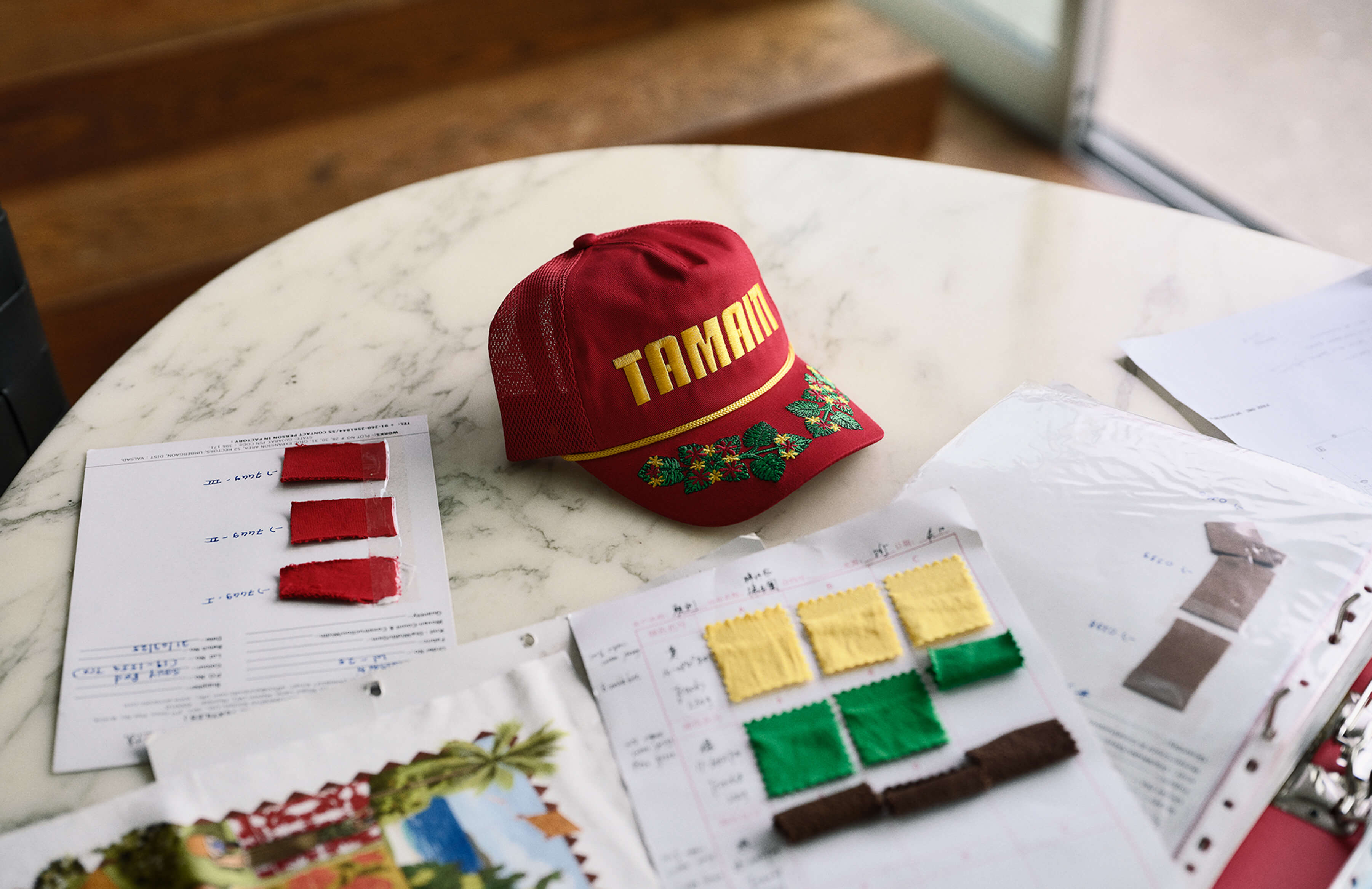
Is there a garment you've made that feels most like what Tamaiti is trying to say?
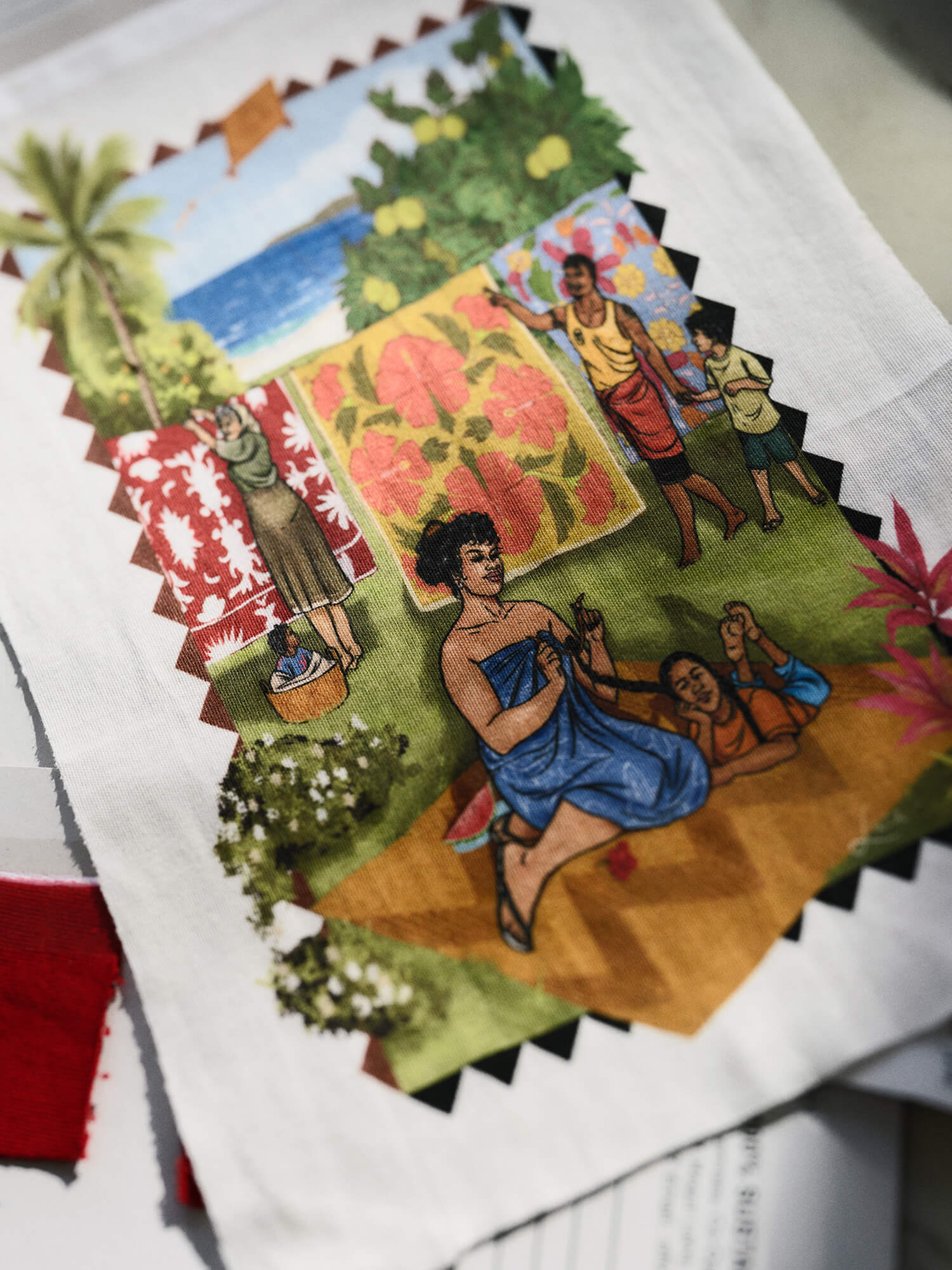
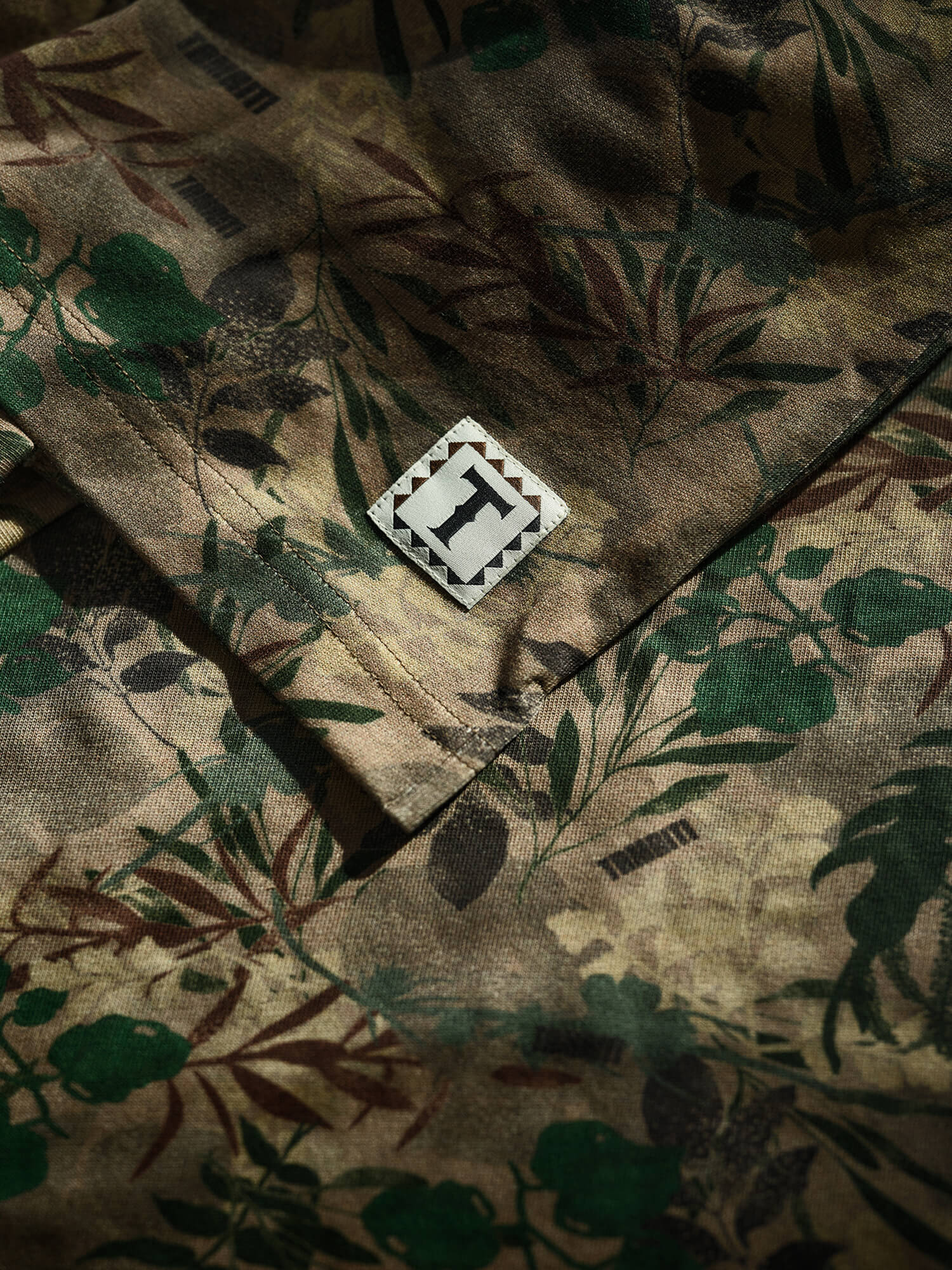
We were very intentional in our decision to release the Luca Tee as our first garment. We wanted to launch with a strong message and felt Luca was the perfect artist to really whakatinana what we wanted Tamaiti to represent. We had many discussions with Luca around the whakataukī “it takes a village to raise a child,” and from that came the artwork “The Vā Between the Fala and Breadfruit Tree.” We couldn’t be happier with what he created.
Clothing made to be passed down is a quiet act of resistance in a fast fashion world. Was that always the intention?
Āe, absolutely. It may seem backwards in terms of how business is traditionally expected to operate, but we really wanted to create quality clothing that could stand the test of time - pieces thoughtful enough to remain timeless in many tamariki wardrobes.
What does it mean for a garment to last, beyond the fabric itself?
Te Ura - It means the whakapapa, whakaaro, and kaupapa behind the garment continues on through every child who wears it. We hope each piece carries meaning and connection long after its first owner has outgrown it.
Do you think about the child who might wear it next, after the first?
Absolutely! We always have our own tamariki and wider whānau at the forefront of that whakaaro.
You've said these kākahu acknowledge and celebrate the villages raising our babies. Who is in that village for you both?
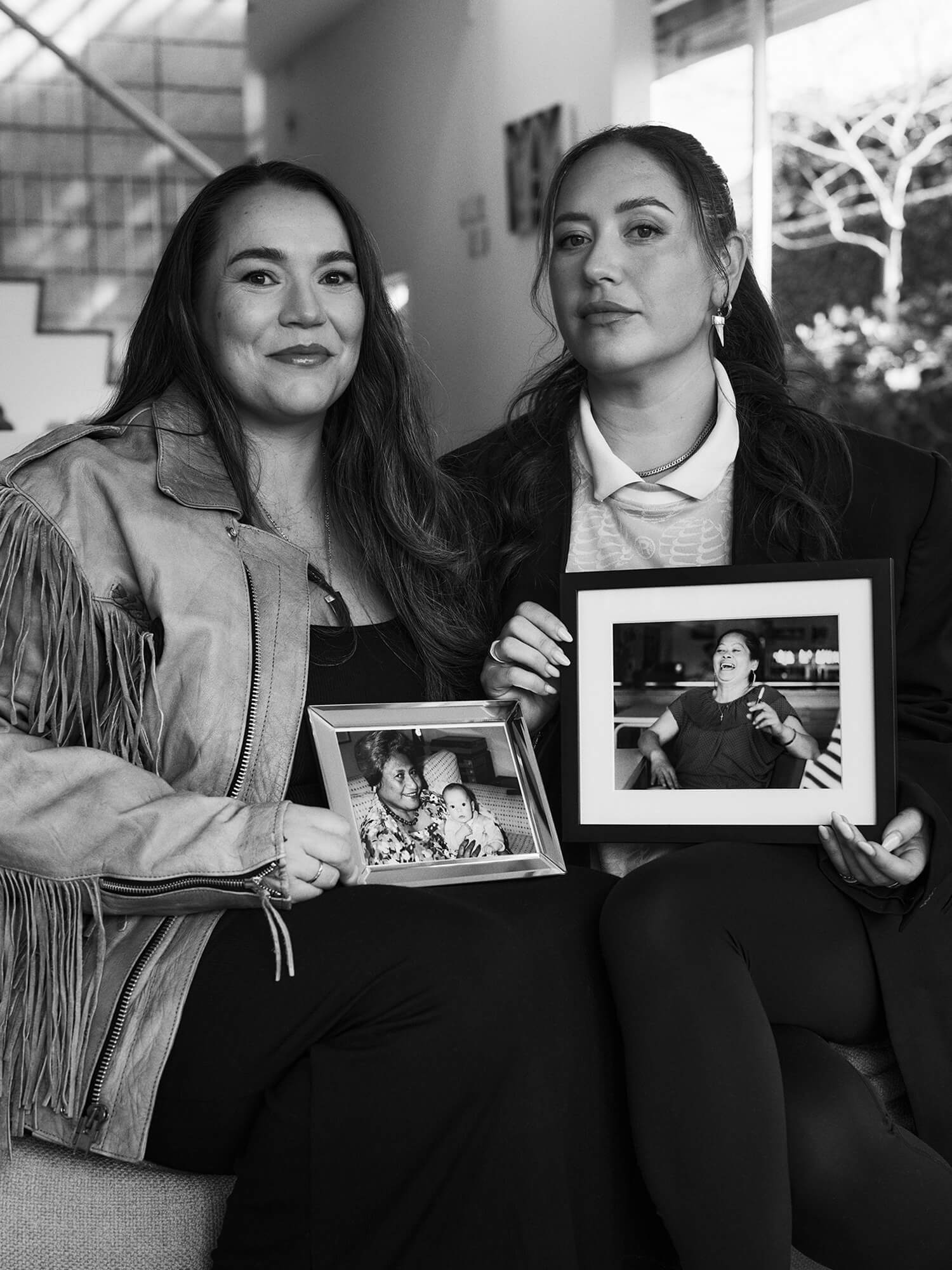
Te Ura - I live in a four-generation papakāinga in Tāmaki, so my tamariki have their great-grandparents right on their back doorstep. I also come from a blended whānau, where both my pāpā play huge roles in the daily upbringing of my tamariki. We are lucky to have very hands-on aunties, uncles and grandparents around us.
Antonia - we are so fortunate to have a consistent and reliable village who show up for our tamariki daily. Our immediate whānau, but also our chosen whānau, who love our babies like their own. I know just how much of an impact these people have because our three-year-old talks about them daily.
What does it mean to build something that holds space for every kind of whānau, not just one version of it?
We really hope Tamaiti resonates with more than one version of whānau. Being inclusive of everyone in our prints and designs is how we are doing this, and hopefully it is recognised by many. It means we hold a responsibility to everyone.
Aotearoa is raising children with more layered, complex identities than ever before. What does Tamaiti say to those kids?
NAU MAI!! Tamaiti is for everyone. Tamaiti was created with layered identities in mind because that is our reality too. We hope our tamariki grow up knowing they never have to separate parts of themselves in order to belong.
What did the early days of building Tamaiti actually look like, practically?
Antonia - A few sit-down hui, but mostly constant back-and-forth messages at all hours of the day and night. As busy working māmā, messages were sent whenever there was time and replied to whenever possible, even at two in the morning.
What surprised you most about going from idea to product?
Time. The time from idea to production is huge - sampling, revisions, and bulk production all take much longer than people realise. We had a general understanding of how things worked, but we have also had to learn very quickly. Planning ahead is something we are still navigating because even when you think you are ahead, delays outside of your control can set you back significantly.
Running a business together as friends, what has required the most honesty between you?
Probably having honest conversations around pūtea. What that looked like individually for our whānau, and what it now looks like collectively for Tamaiti moving forward.
What has Tamaiti taught you about each other that the friendship alone didn't reveal?
That we are both mahi dogs. We obviously already knew this through our careers outside of Tamaiti. But committing to a project at all hours of the day and night, replying to emails after work hours and constantly communicating with each other really revealed the level of commitment we have to one another, our tamariki, and our hapori.
Has there been a moment where you've had to navigate something difficult together, and what did that teach you?
Yes - there was a time where we simply didn’t have the financial capacity to move a collection into production. Although it was difficult, it forced us to step back and evaluate what was genuinely possible for us and what would be sustainable for Tamaiti long term.
When people started responding to Tamaiti, what did that feel like?
Antonia - Most of our initial support came from whānau, and we feel incredibly lucky to have so many people backing us. It became really special once we started receiving feedback from people we didn’t know personally. Seeing people out in public wearing our kākahu definitely gave us a huge boost.
Has there been a moment where someone's reaction to the brand stopped you in your tracks?
We once reached out to a whānau who we felt aligned strongly with our philosophy and kaupapa. We were quite surprised when they responded saying they loved what we were doing, but that it simply wasn’t their style. While we respected the honesty, it was also an important reminder that Tamaiti won’t necessarily resonate with everyone, and that’s okay.
What does it mean when a parent chooses Tamaiti for their child?
Antonia - It honestly means everything. To know parents connect with what we are creating and are willing to spend their hard-earned pūtea on our kākahu is a very special feeling.
Growing up, did you see yourselves represented in the brands and clothing around you?
Te Ura - In reflection, other than a kōhanga reo t-shirt, kāo, not really. Although there were definitely pieces my parents wore that represented our culture, and I live for those archival pieces now.
What does it do to a child to see themselves reflected in what they wear?
It tells them, “you are seen.” And for a child, that is everything.
It strengthens their sense of identity. Seeing themselves reflected in their kākahu helps normalise and celebrate their whakapapa. It tells them that who they are is something to be proud of. That has a lasting impact, it shapes how they see themselves and how confidently they take up space in the world.
Is Tamaiti a brand, or is it something bigger than that?
It is a brand, but it is also something much bigger than that.
Tamaiti holds our stories, our cultures, and our shared experiences as māmā. It represents the whakaaro that it takes a village to raise a child, which we hope resonates with many people across different cultures.
Tamaiti is a way of expressing who we are, where we come from, and the kind of world we want our tamariki to grow up in - one where they feel seen, connected, and proud.
What do you want a child to feel when they're wearing Tamaiti?
We want them to feel held; by the fabric, but also by the story behind it. Comfortable enough to play and simply be children, while also knowing they are connected to something bigger than themselves: their culture, their whānau, and their village.
Where does Tamaiti go from here, what are you building toward?
We want to continue building thoughtfully on what we have started, growing our customer base internationally, deepening our community, and gaining an even stronger understanding of what our customers are looking for from us.
When you imagine Tamaiti ten years from now, what does it look like?
Tamaiti will be our full-time mahi - a thriving and well-known childrenswear label not only within Aotearoa, but internationally as well.