

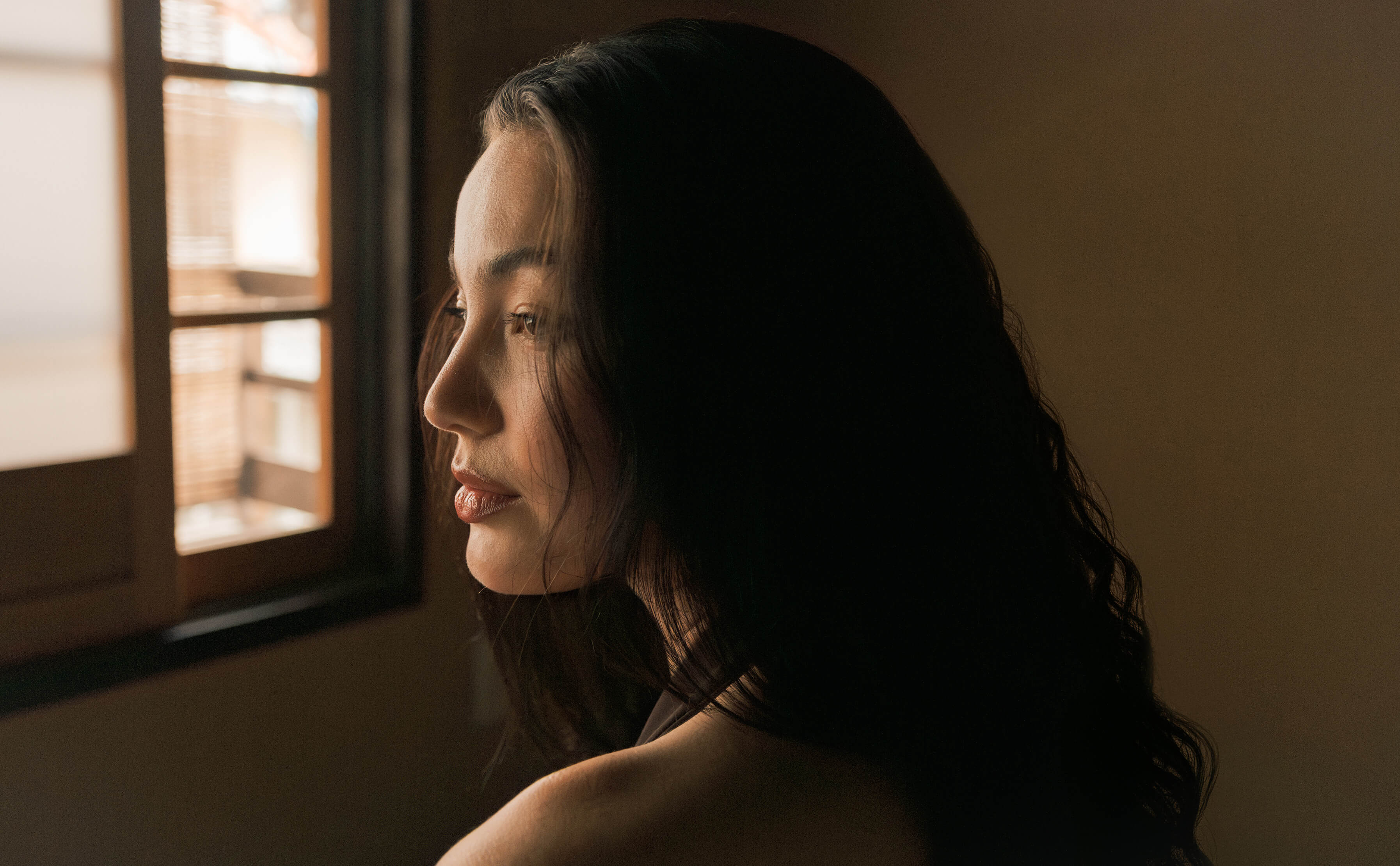
Sarah Hemi
Between two inheritances.
Some people spend their lives crossing oceans. Others spend their lives crossing the quieter distances that exist within themselves.
For Sarah Hemi, both journeys have unfolded side by side.
Born of Māori and Japanese whakapapa, her life has been shaped by movement. Between countries. Between languages. Between the expectations that accompany being seen, and the deeper work of understanding who you are when nobody is looking. Long before modelling campaigns, music releases, or audiences spread across the world, there was a young woman learning how to carry two histories at once.
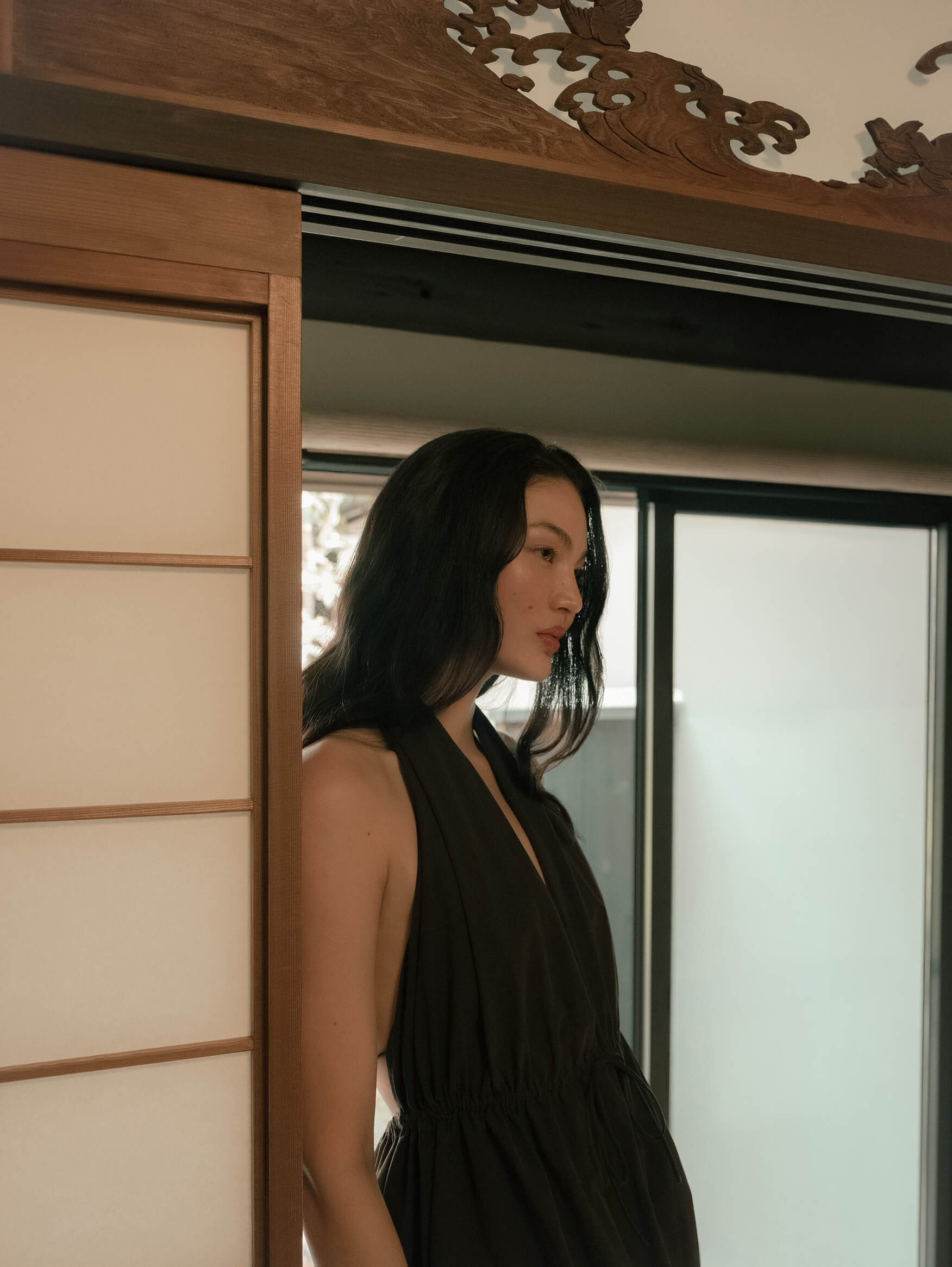
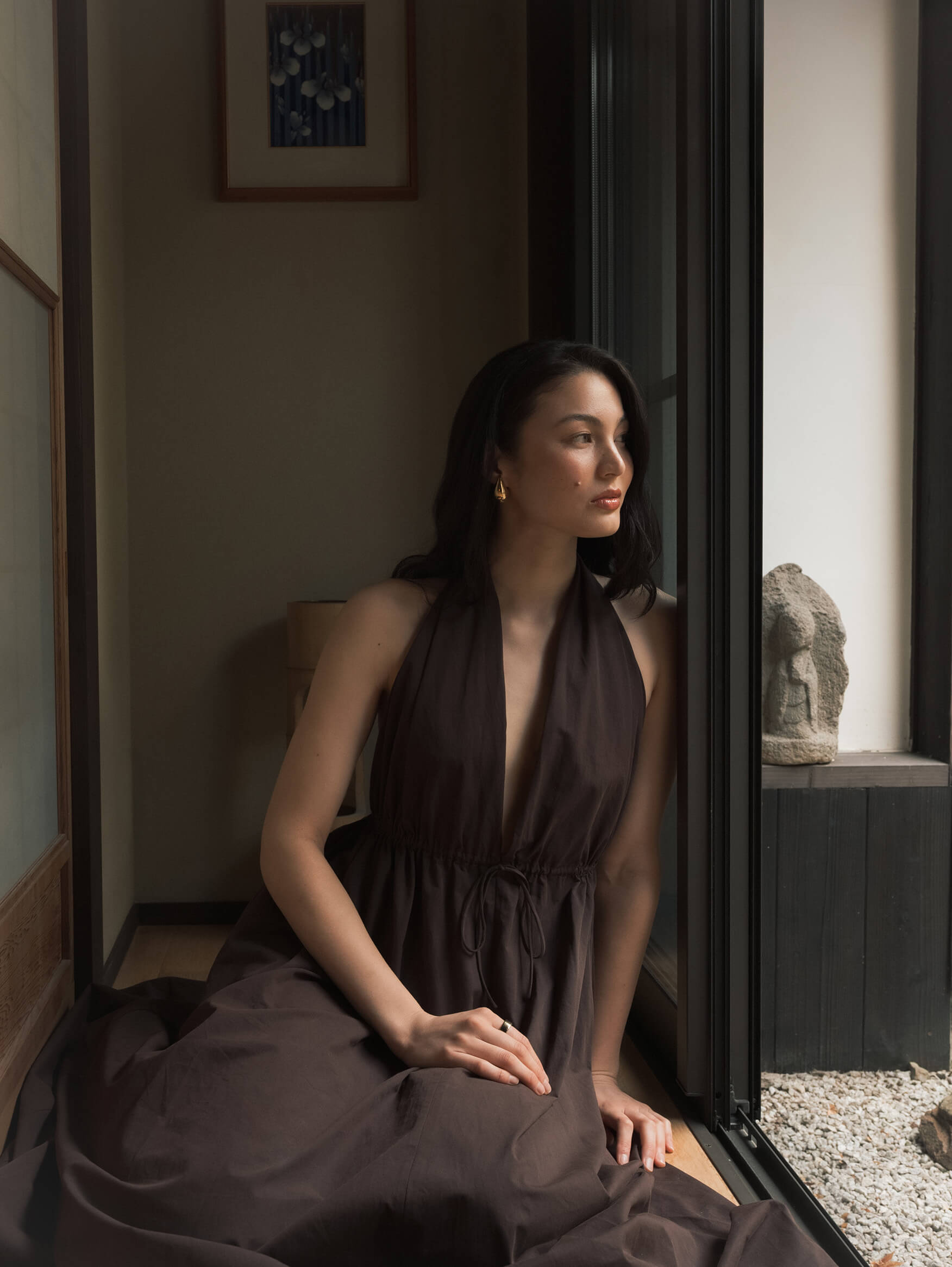
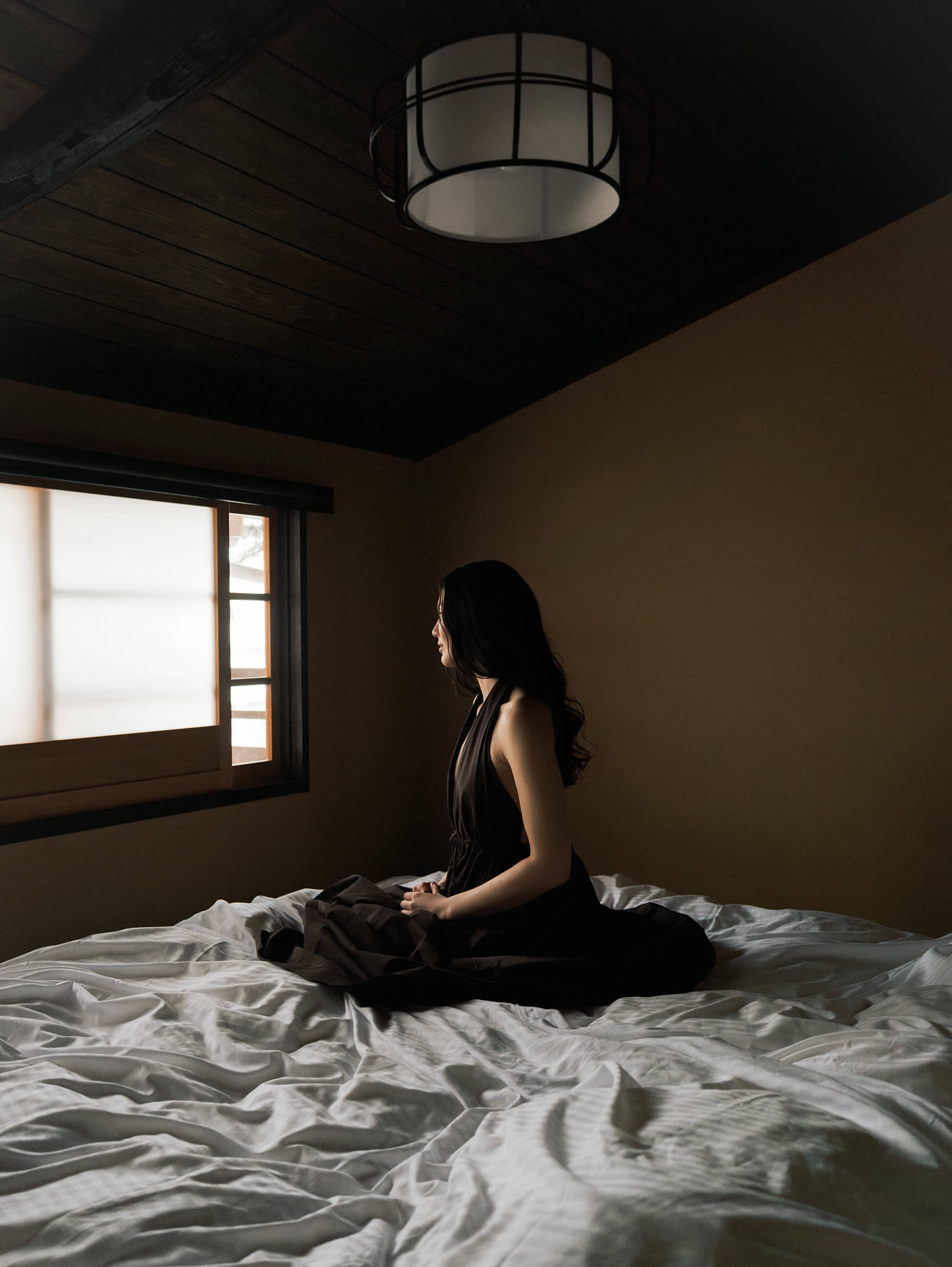
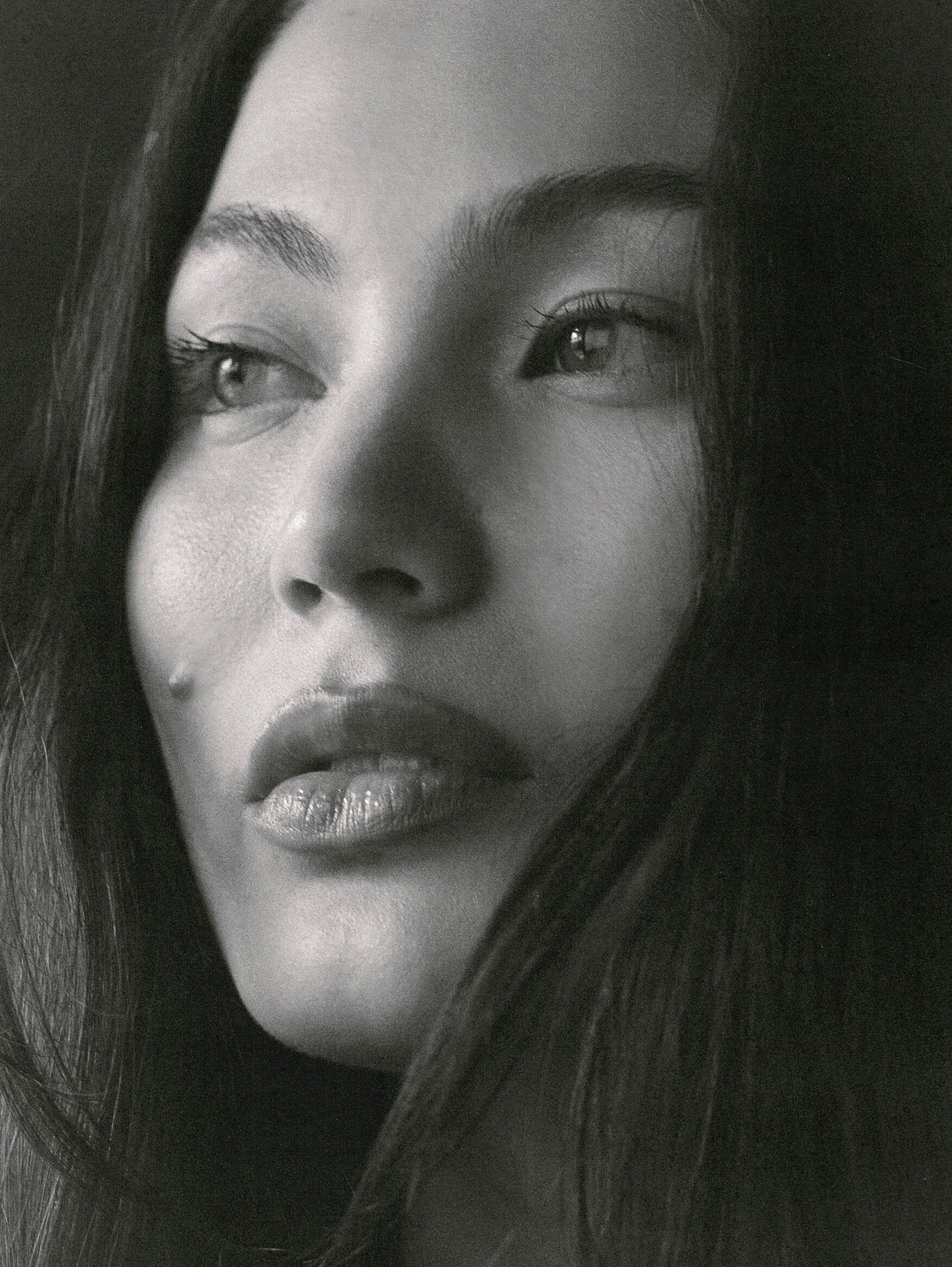
The spaces between cultures are rarely spoken about with honesty. They are often romanticised, flattened into neat stories about diversity and belonging. The reality is more complicated. There are moments of pride and moments of doubt. Questions that arrive uninvited. Am I enough? Do I belong here? What parts of myself should I hold closer, and what parts should I explain?
Sarah speaks about these questions with a clarity that can only come from time. Not because she has all the answers, but because she no longer feels the need to choose between them.
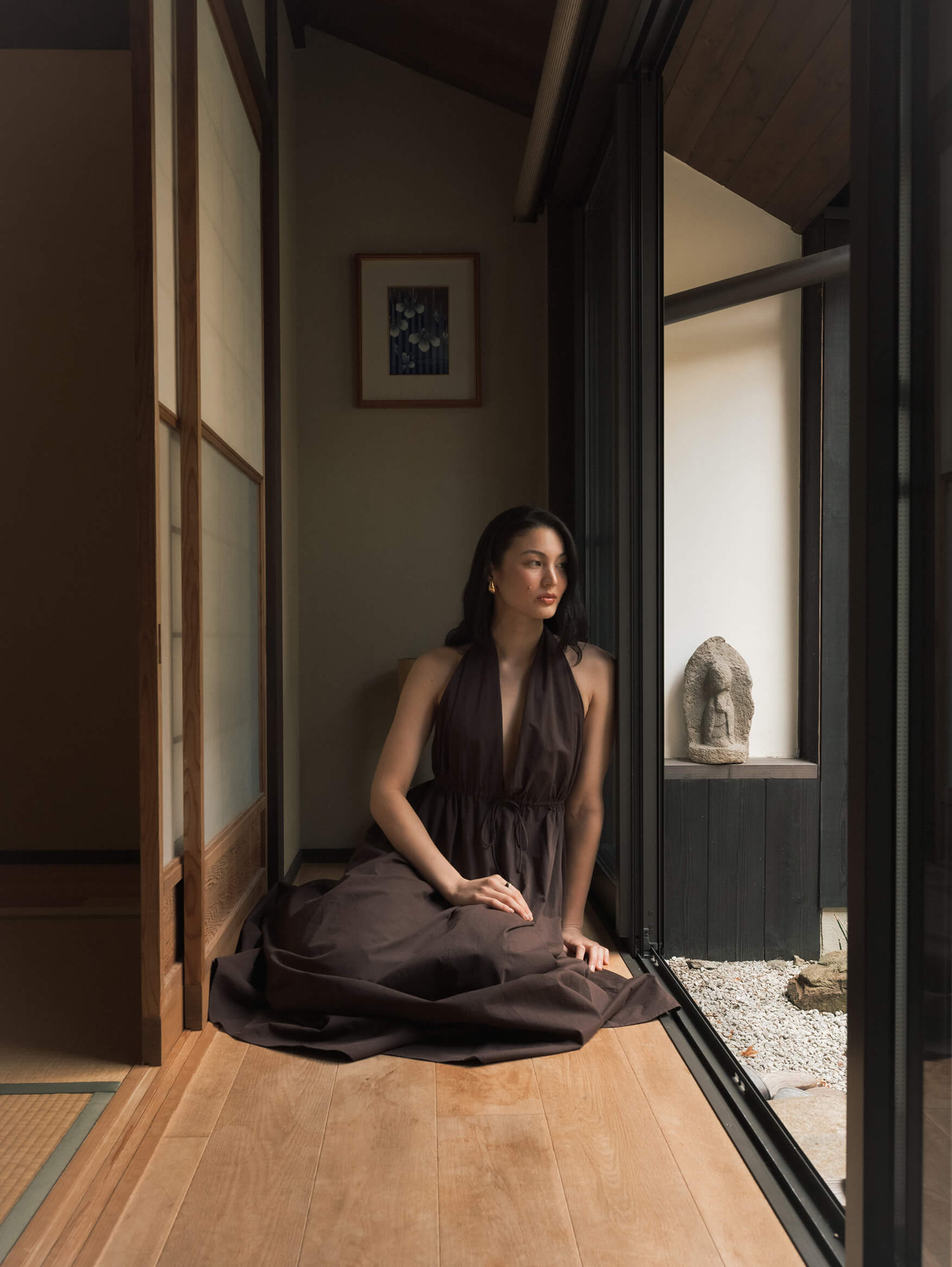
Now living in Kyoto, she carries Aotearoa with her in ways both visible and unseen. In memory. In music. In whakapapa. In the values handed down through family. Distance has not diminished those connections. If anything, it has sharpened them. What once felt divided has become whole.
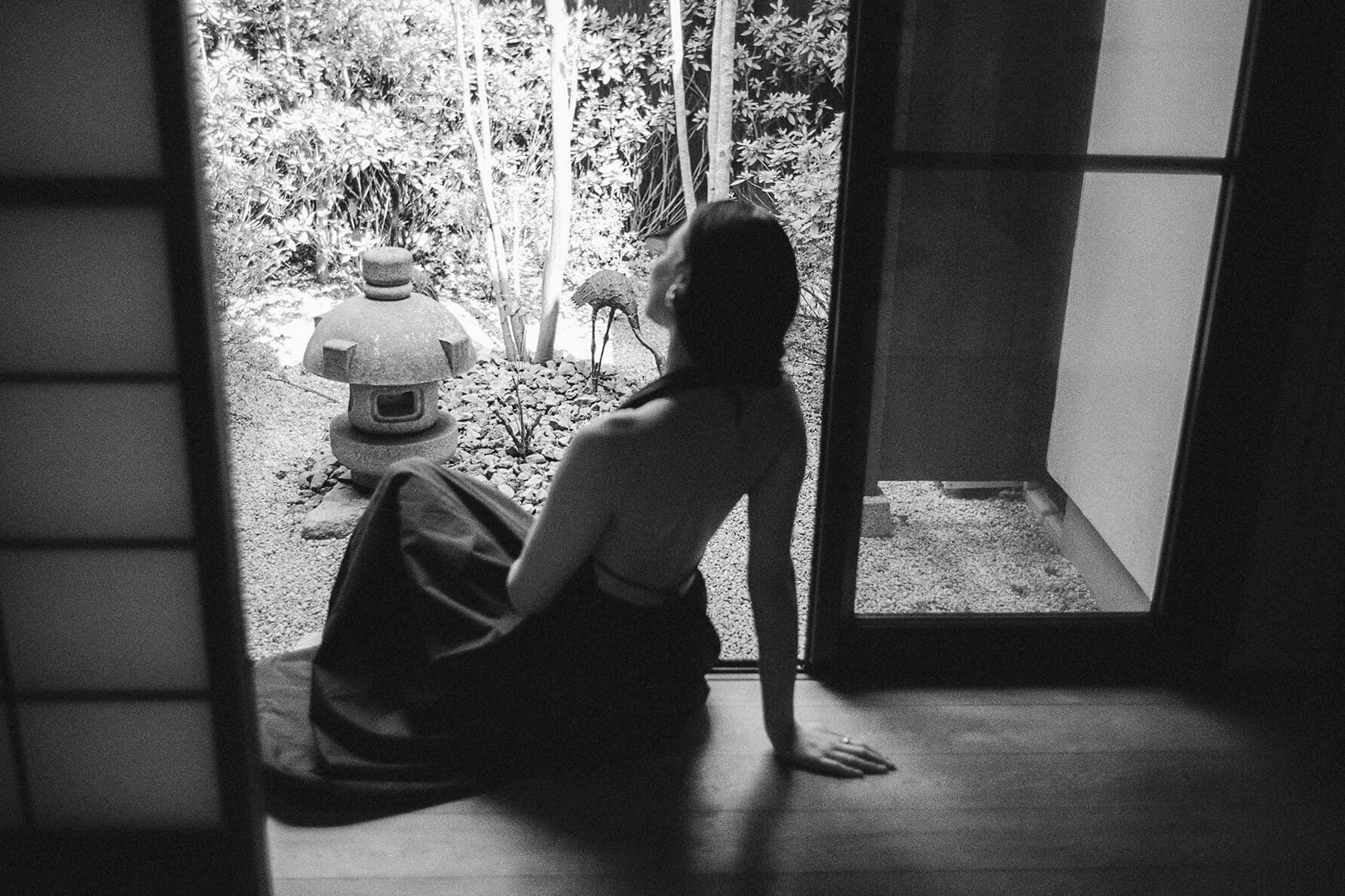
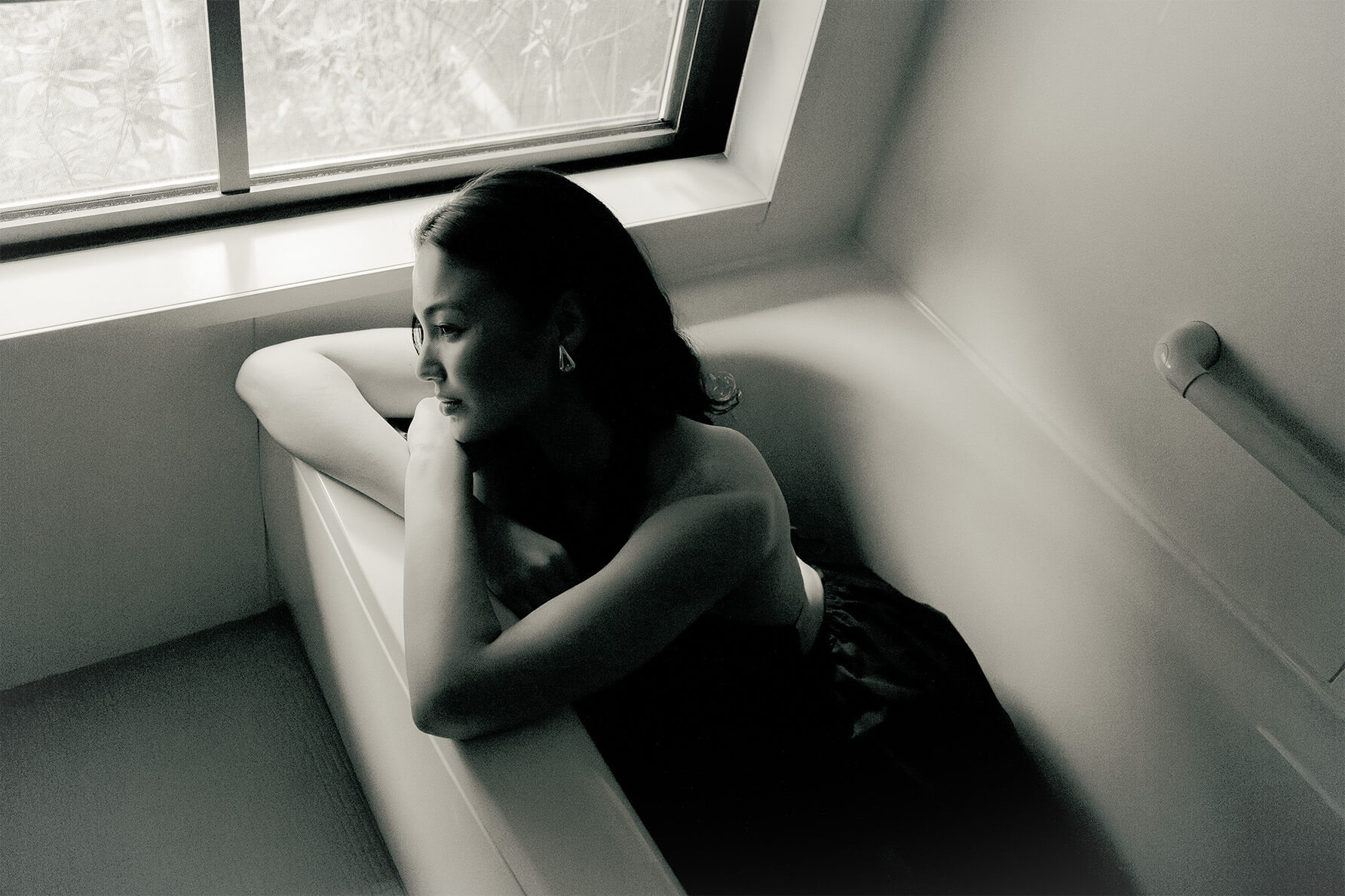
This conversation moves between music, modelling, culture, faith, family, and home. Yet beneath each subject runs the same quiet thread: the understanding that identity is not a destination we arrive at. It is something we learn to inhabit.
What follows is not simply the story of a Māori-Japanese artist living abroad. It is the story of a woman coming into a relationship with every part of herself, and discovering that belonging was never waiting in one place or the other.
It was already hers.
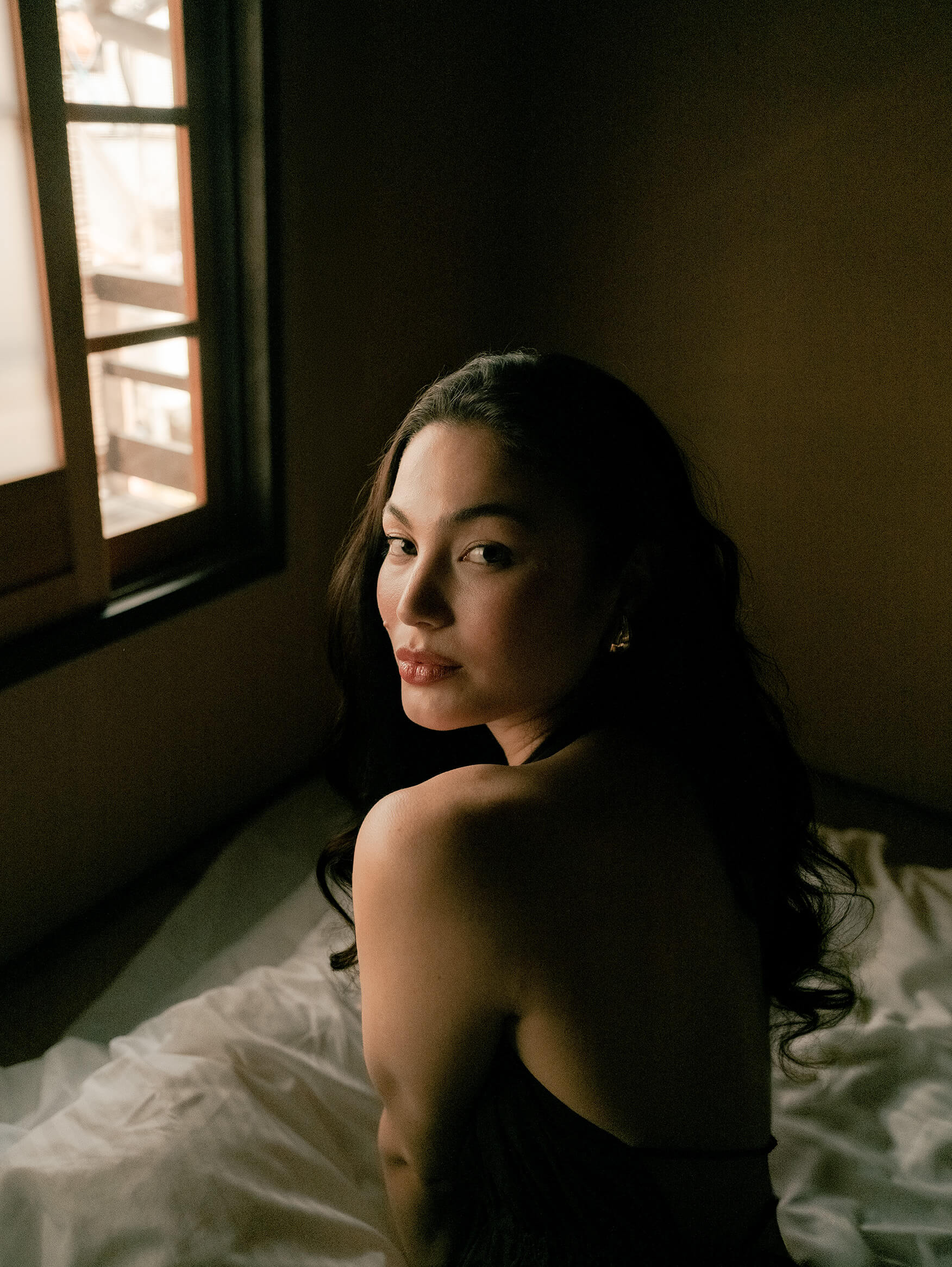
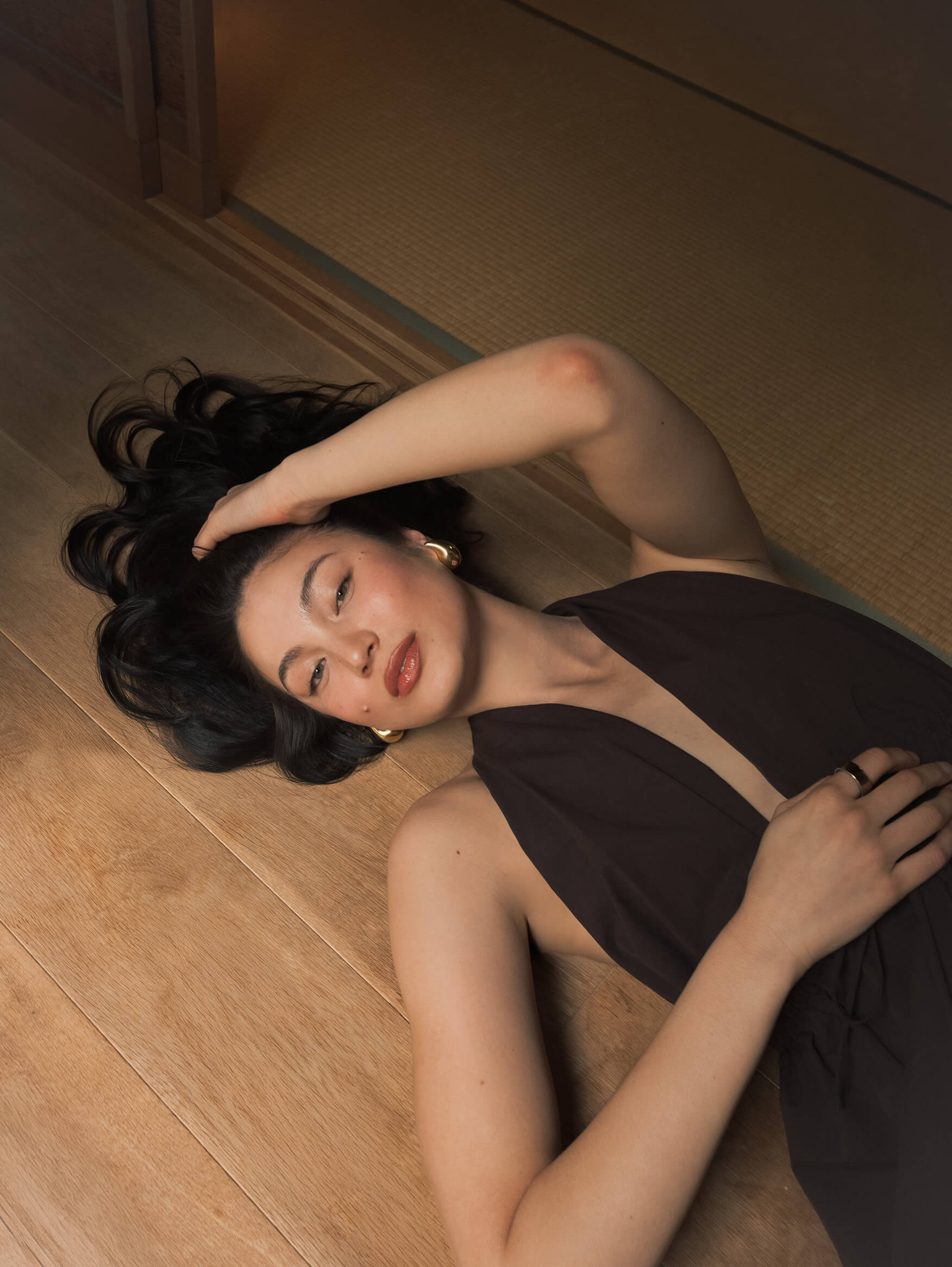
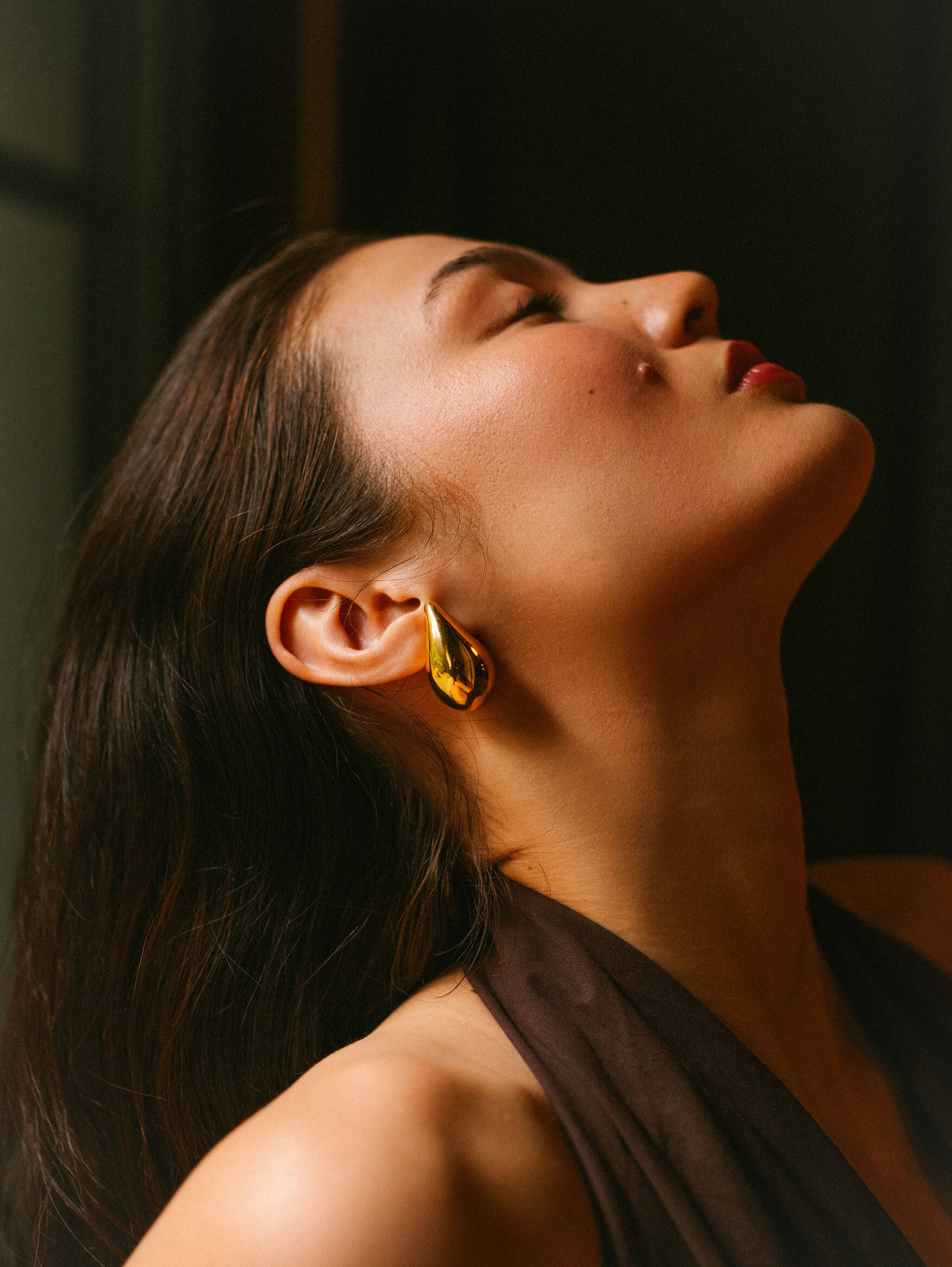
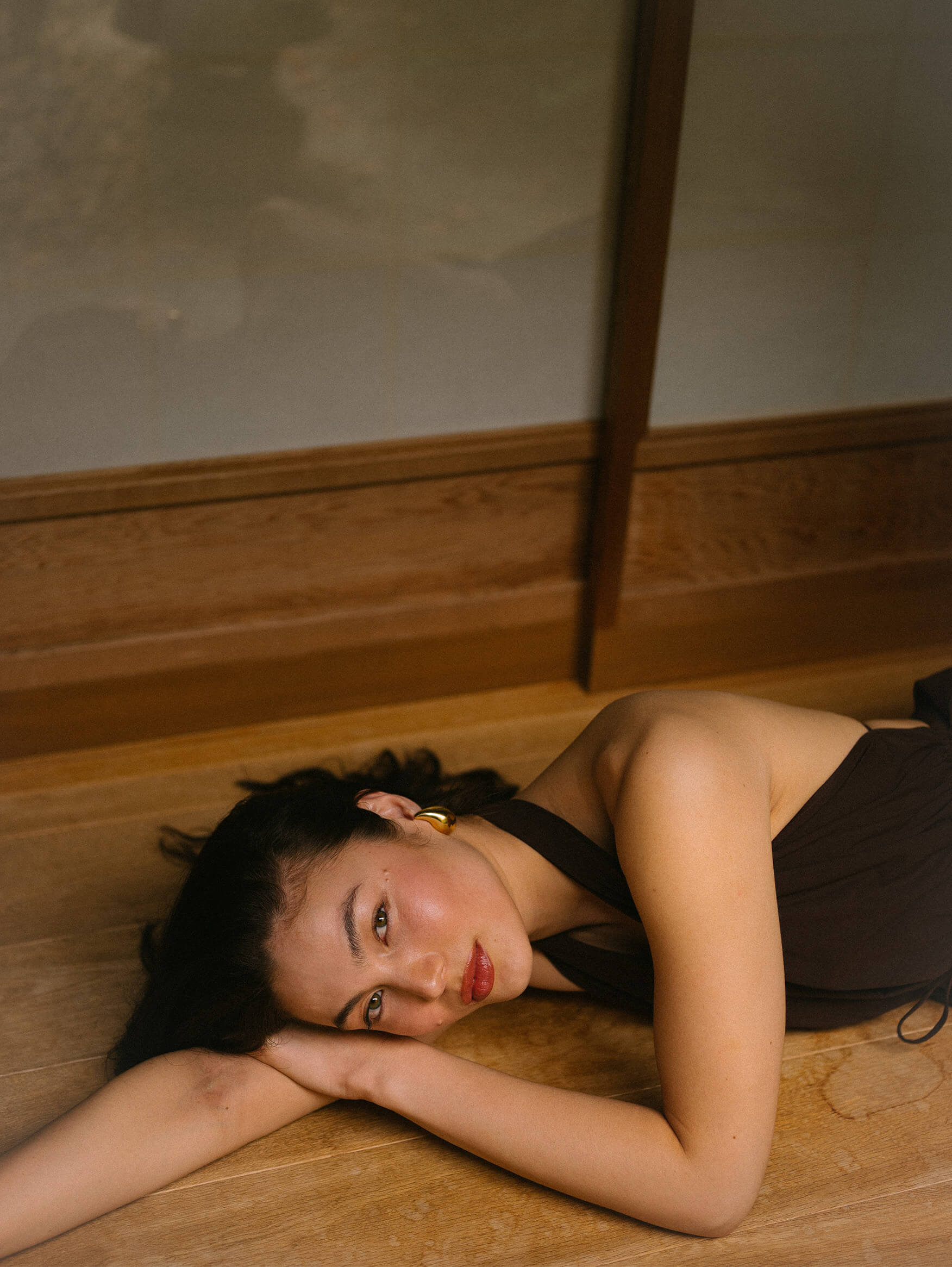
Who is Sarah Hemi?
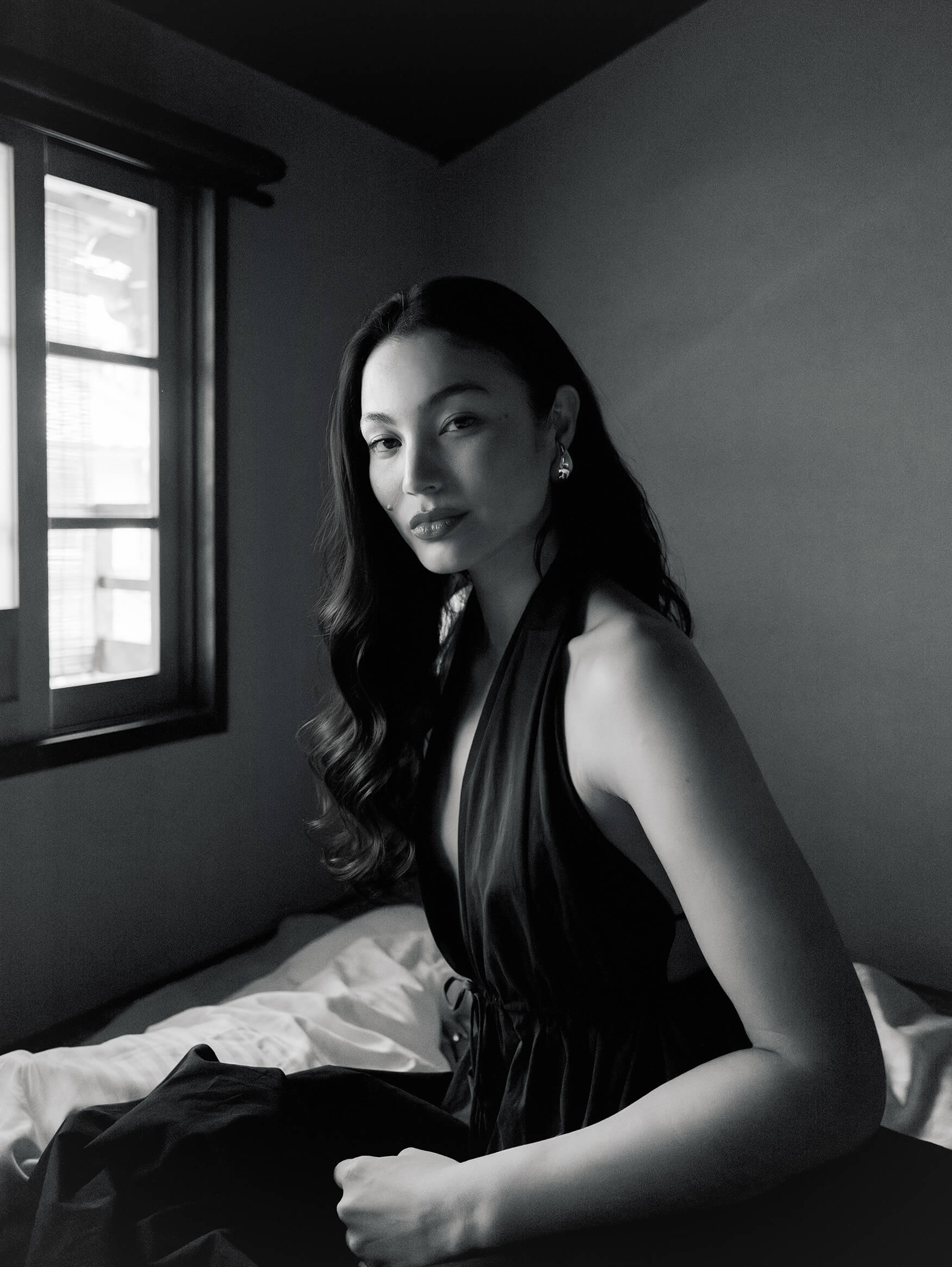
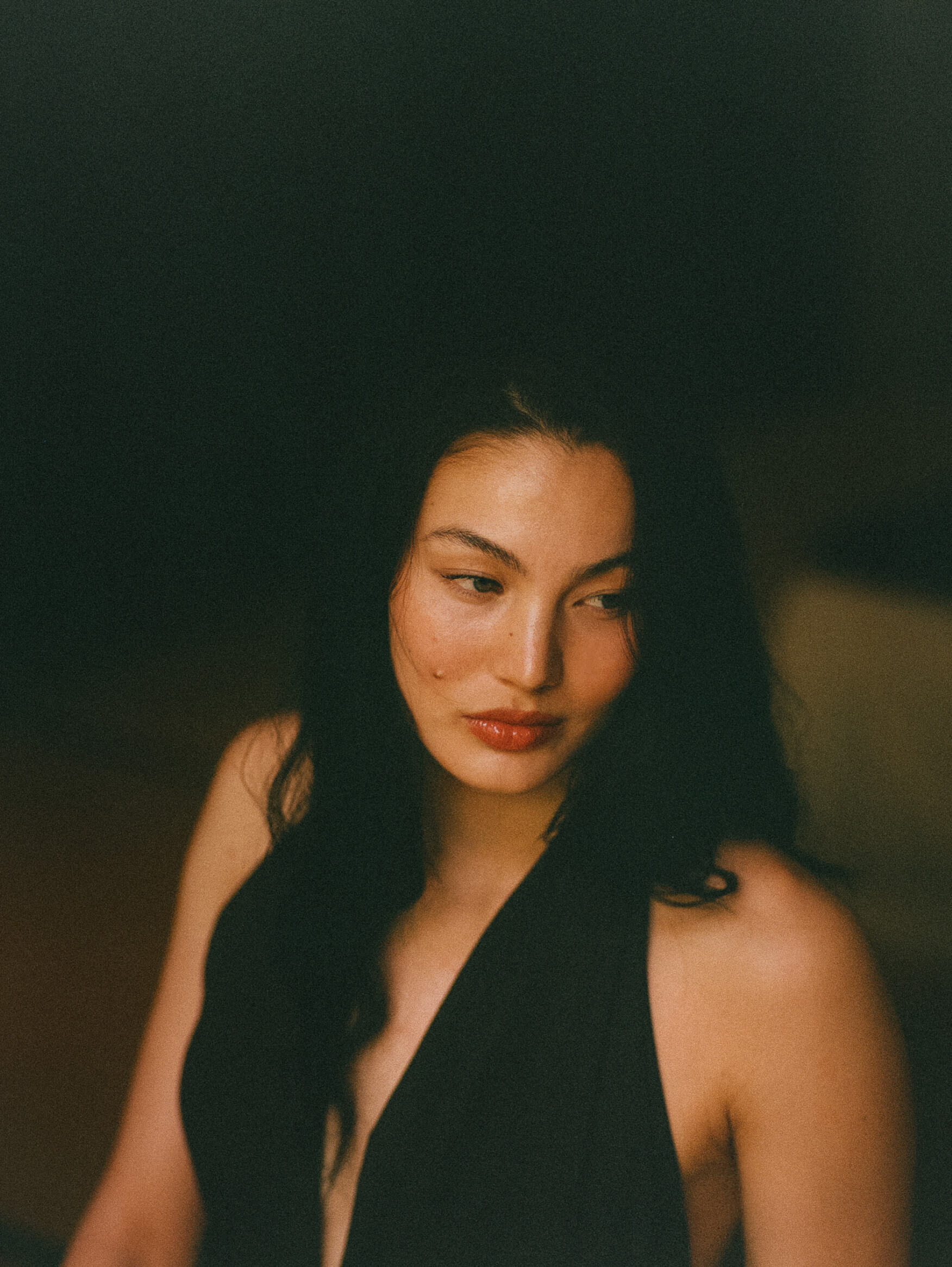
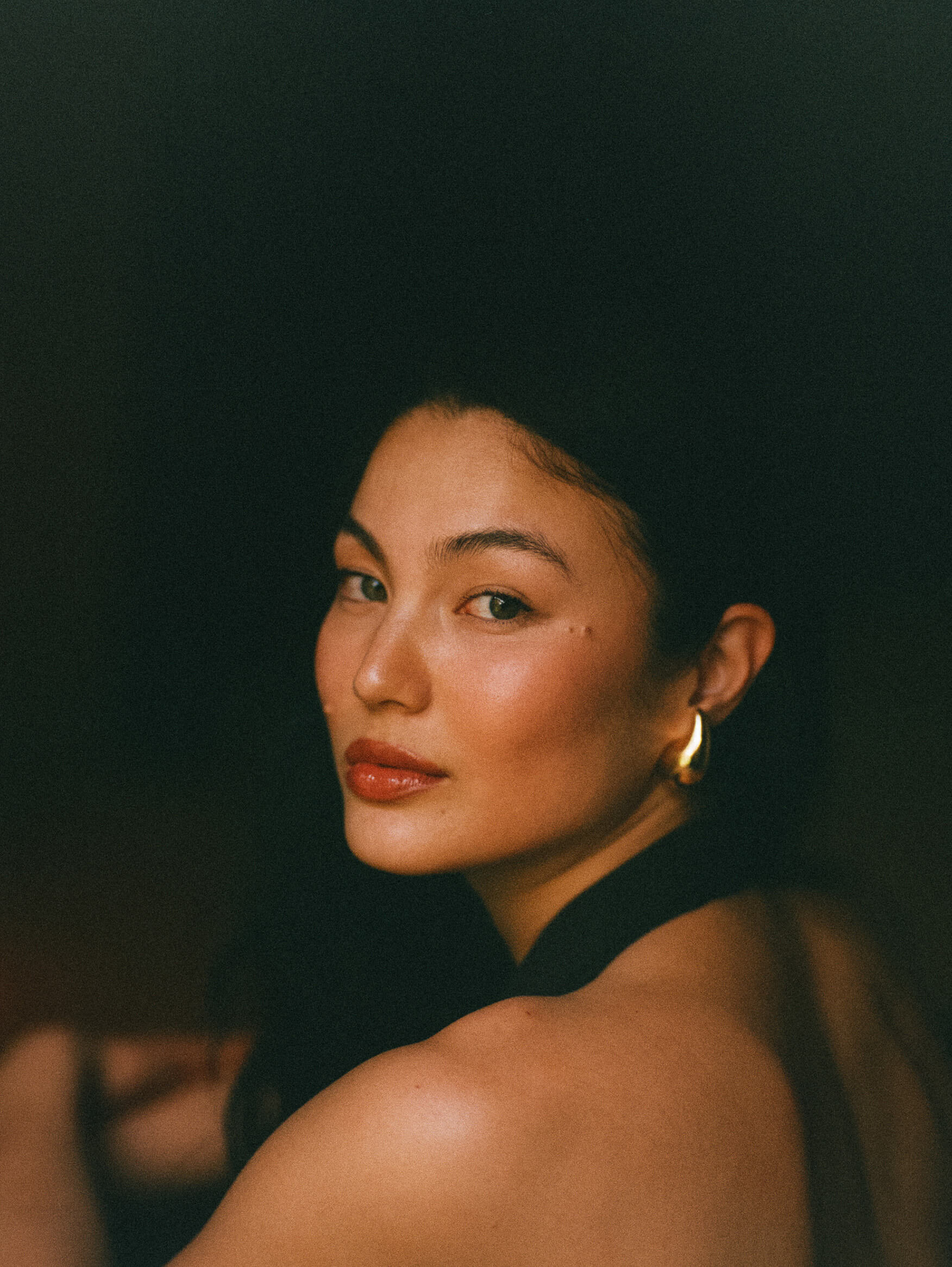
Kia ora and Konnichiwa! My name is Sarah Hemi. I’m half Japanese and Māori, and I grew up between New Zealand, Australia, and Japan. I’m a model, singer-songwriter, and content creator.
What was it like growing up in Hamilton?
Hamilton is a small town, and I grew up in an even smaller neighbourhood where the community was mostly my cousins. It taught me the importance of family, culture, and being proud of where you come from.
When did music first become part of your life?
Being Polynesian, music has always felt like a fi rst language to me. It’s woven into who we are. Growing up, my dad never bought us electronics but instead filled our home with instruments. Everyone in my family can sing and play, and when my siblings and I were bored, we’d have jam sessions, freestyling silly little songs. That was the way we connected.
I wrote my first song at 13, and simply put, singing and songwriting has always been my fi rst love.
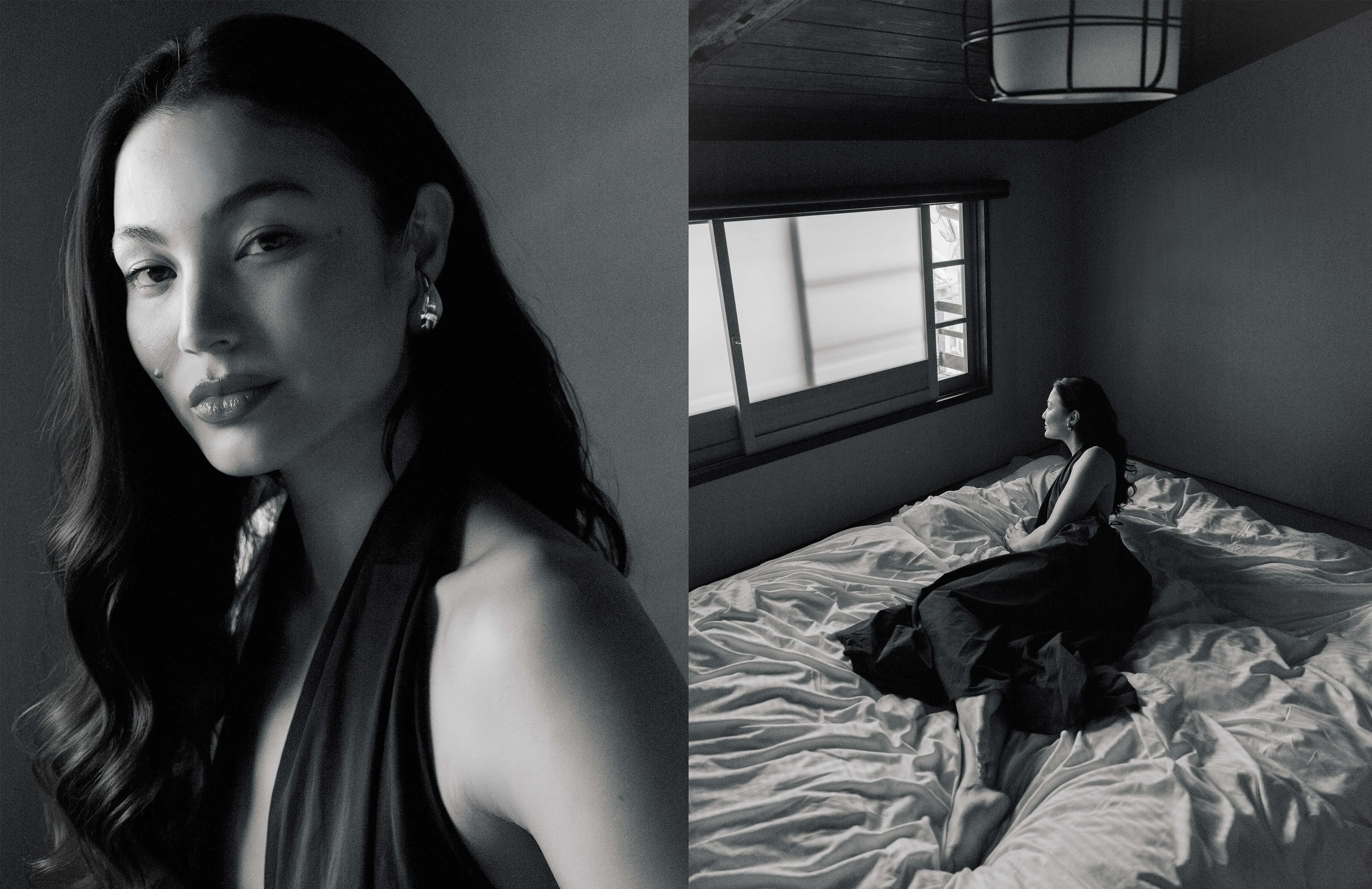
What keeps bringing you back to songwriting?
I’ve always been a very emotional, intuitive, and sensitive person. Songwriting allows me to bring those emotions into reality. It’s always been my way of expressing myself and staying connected to who I am.
How do songs usually start for you?
My process is simple. I usually start by strumming a chord progression I like, finding a melody, and then filling it with whatever emotion or experience I’m feeling or want to express. Not always, but the rest tends to flow naturally.
How does being Māori influence your music?
Though I don’t write in te reo Māori yet, it deeply inspires my music. Growing up singing waiata at family gatherings, I was always moved by the warmth and soul of the language. That beauty forms the foundation of my original music and shapes the way I express myself as an artist.
Māori music carries so much emotion and storytelling. That sense of soul and connection is something I’ve always been drawn to, and it’s something I try to carry into my own songs.
How did modelling begin?
I started modelling for fun at 15, signed with my first agency at 17, and became an international model at 20. Sharing my music online helped me build an audience, which eventually led to me being scouted on Instagram. It’s been an incredible journey, and one I’m forever grateful for.
What has modelling taught you about yourself?
Stepping into the modelling industry taught me that being seen isn’t just about how others perceive you, it’s about how you perceive yourself.
I remember my fi rst campaign shoot, with over 50 people, bright lights, and all eyes on me. It should have been terrifying, but it taught me to trust my presence. That experience showed me that authenticity creates connection, and that showing up as your true self will always attract the right people and opportunities.
Modelling also shaped how I understand my identity. It’s an industry that constantly tests your ability to value yourself, even in the face of rejection and defeat. It taught me the importance of self-awareness, authenticity, and trusting who I am, no matter the comparisons or scrutiny.
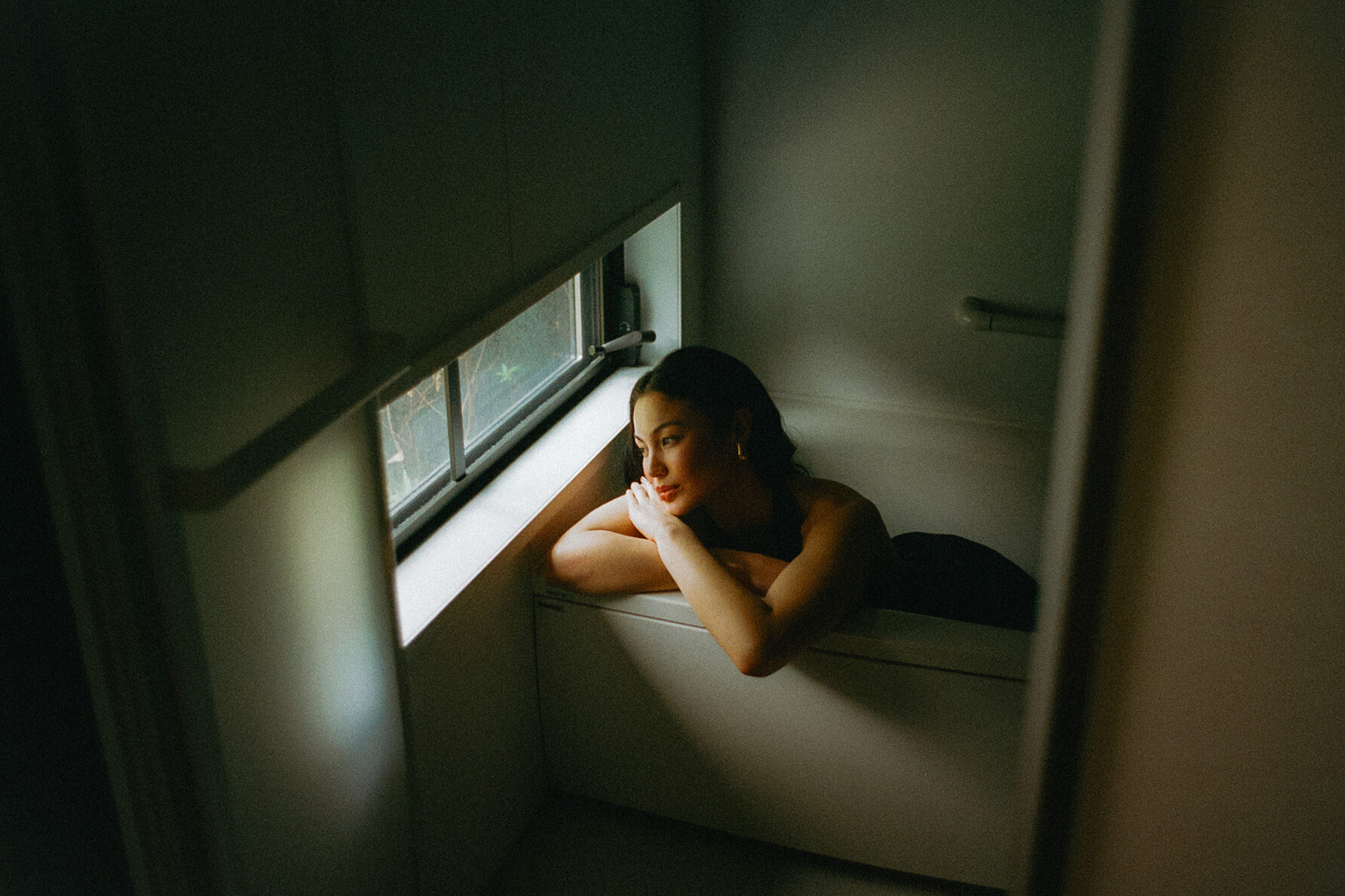
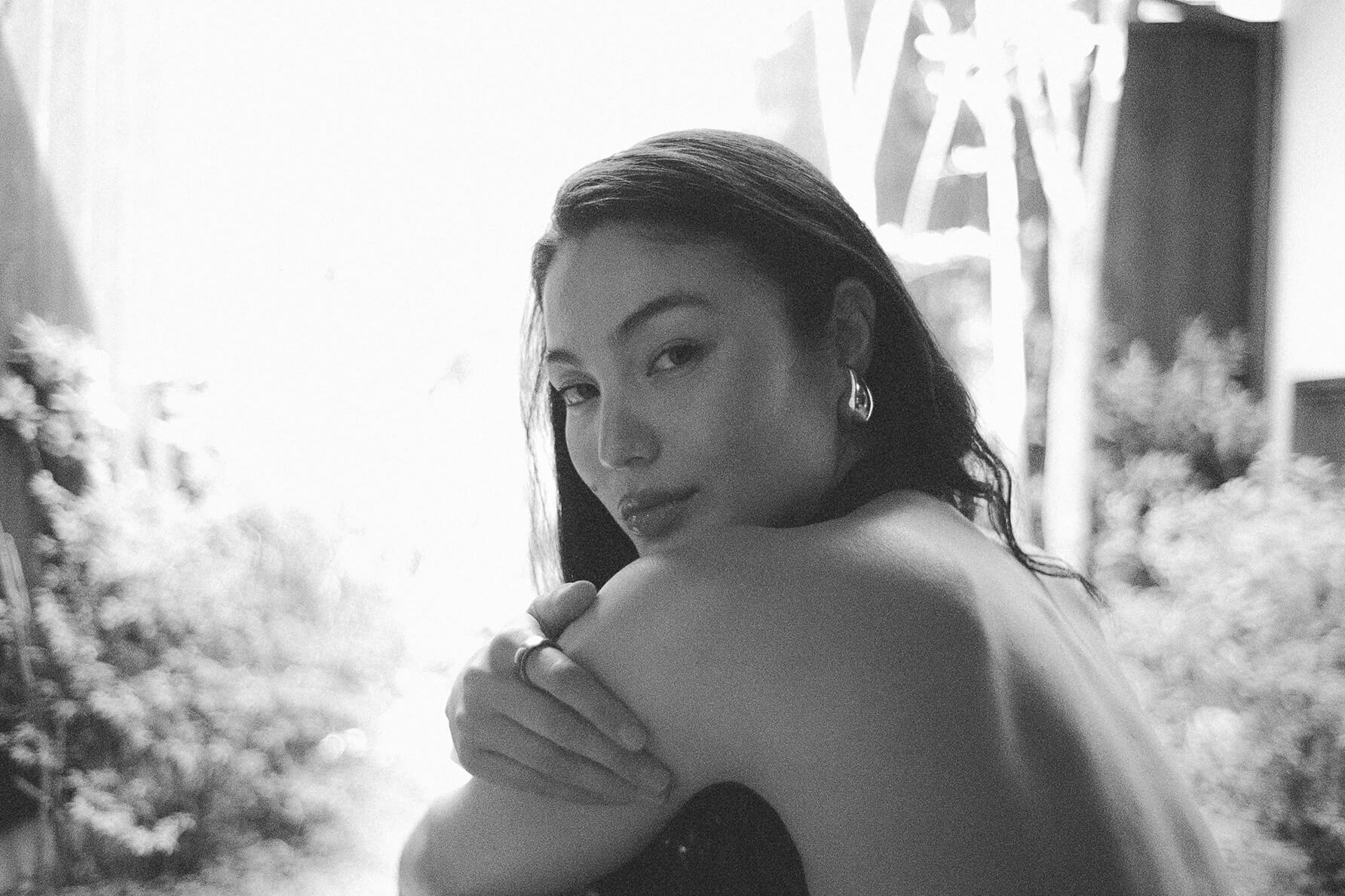
Have there been times you've felt misunderstood?
Definitely. Growing up in Japan, there wasn’t much diversity, and being mixed wasn’t seen as something “cool”. On one hand, I was admired for being “exotic” and looking different, but on the other, I was treated like a complete outsider. I stood out everywhere I went, and that kind of visibility leaves you open to being judged before people even know who you are, for better or worse.
What does authentic representation mean to you?
Authentic representation means showing up as your full self and honouring where you come from. It reminds me of a line from one of my favourite songs by Six60: “Don’t forget your roots.”
What was it like growing up between Māori and Japanese cultures?
Honestly, there wasn’t a single defining moment where I became aware of it. I was raised in both cultures, and I’m grateful to my parents for instilling in me that I’m not one or the other, I’m both.
Growing up between two cultures, you learn to observe and adapt. Over time, I understood when to lean into different parts of myself depending on the environment I was in.
Are there moments in Japan that remind you of home?
Yes, definitely. When people think of Japan, they often imagine a concrete jungle like Tokyo or advanced technology, but the country is actually very geographically diverse.
Some parts of Japan are incredibly green, mountainous, and rich in nature, which sometimes reminds me of Aotearoa. In those moments, it feels like my two worlds quietly collide.
What does being Māori mean to you today?
I grew up mostly in Japan, and when I visited home in New Zealand, I noticed my cousins had the chance to learn kapa haka and other cultural traditions. I often felt insecure about being “too whitewashed” or not Māori enough because I hadn’t grown up there.
But as I’ve grown, I’ve realised there’s no such thing. It’s not the language, traditions, or dances that make someone more or less Māori. I understand now that it’s in my blood, and no one can take that away from me.
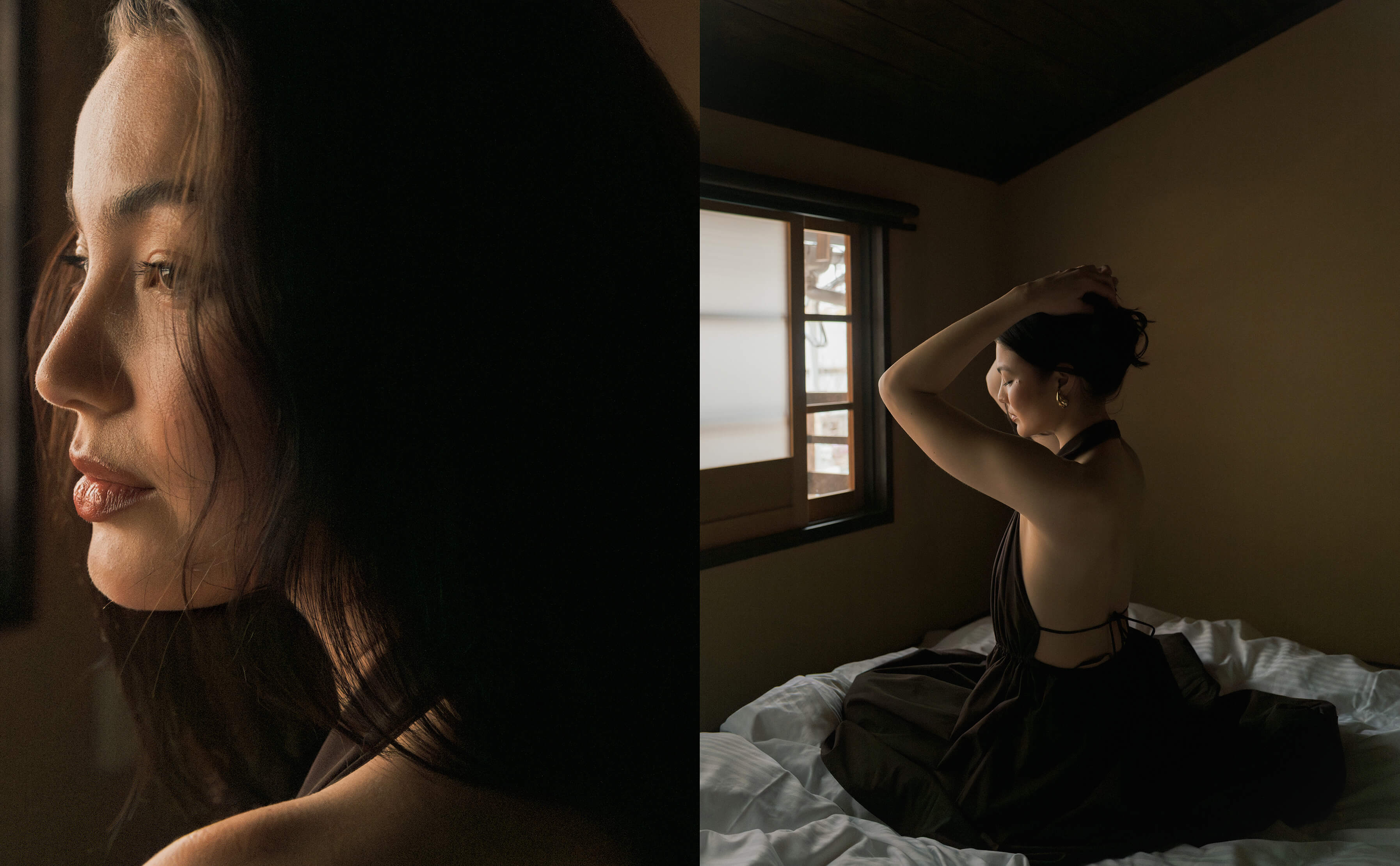
How do those two parts of your identity show up in your life today?
Although the cultures are very different, there are many similarities. I see parallels in the deep respect both Māori and Japanese cultures have for elders, the earth, and their strong spiritual connection to nature.
In both cultures, there are gods and spirits connected to things like water, the sun, and the natural world, which gives both cultures a deeply spiritual feeling.
How did you end up living in Kyoto?
I ended up in Japan because my parents wanted my siblings and me to fully experience both sides of our culture. After living in New Zealand for several years, they felt it was the right time for us to connect more deeply with our Japanese heritage.
What do you love most about life in Kyoto?
I love Kyoto. It’s calm, safe, rich in culture and tradition, and it’s definitely home to me. There’s a quiet beauty to daily life here that I really appreciate.
I’m deeply inspired by Japan. I’m especially drawn to teachings like wabi-sabi, which embraces imperfection and simplicity. Living here has made me appreciate subtle beauty and slower, more intentional creativity.
What keeps you connected to home when you're overseas?
My home is very dear to me. As someone who grew up moving around so much, it’s a space that truly refl ects both sides of who I am, the one place where my two worlds collide and coexist.
From Aotearoa, I would say my pounamu. Mine was a gift from my father. I’ve moved around many times in my life, but the one thing that has always stayed with me is my taonga.
I started travelling alone at a young age, and no matter where I go or how far I am from home, I believe it brings me protection and guidance. I also love that wherever I am in the world, it creates an instant connection with other Kiwis travelling. There’s a certain recognition between us, a kind of “if you get it, you get it” energy.
When I’m far from my whenua, what keeps me anchored is my family, God, and the way my parents raised me. I have the confi dence to pursue my dreams knowing that no matter where I am in the world, I can always come home.
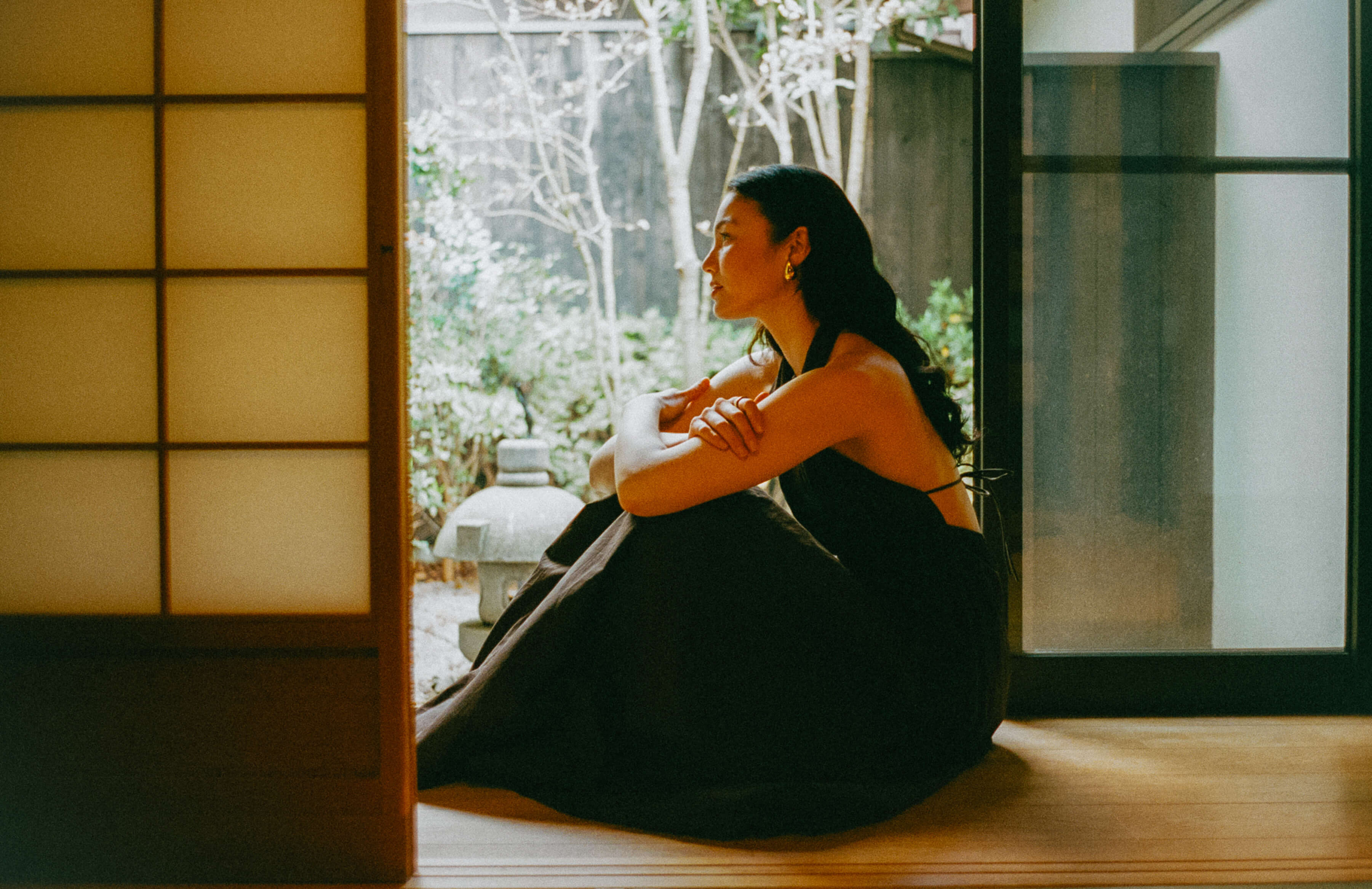
Has living away changed your relationship with te ao Māori?
I feel like distance has sharpened it. Being away from Aotearoa has made me refl ect more deeply on my identity and appreciate my connection to te ao Māori even more.
What would you tell your younger self?
I would tell her not to be so hard on herself and to trust herself and God’s timing. The things that once made her feel weird or different will one day become her greatest strength. Just be patient and kind.
What's next for you?
I’m currently writing my debut album. It’s been in the works for years, and it’s something I’m incredibly proud of. I can’t wait for the world to hear it.
My music can be found on all streaming platforms like Spotify, Apple Music, and Deezer, and I also post covers on YouTube. I hope you enjoy it.
Photography by Elena Kasnatschejew