

Peach Boxing
A life built in rounds
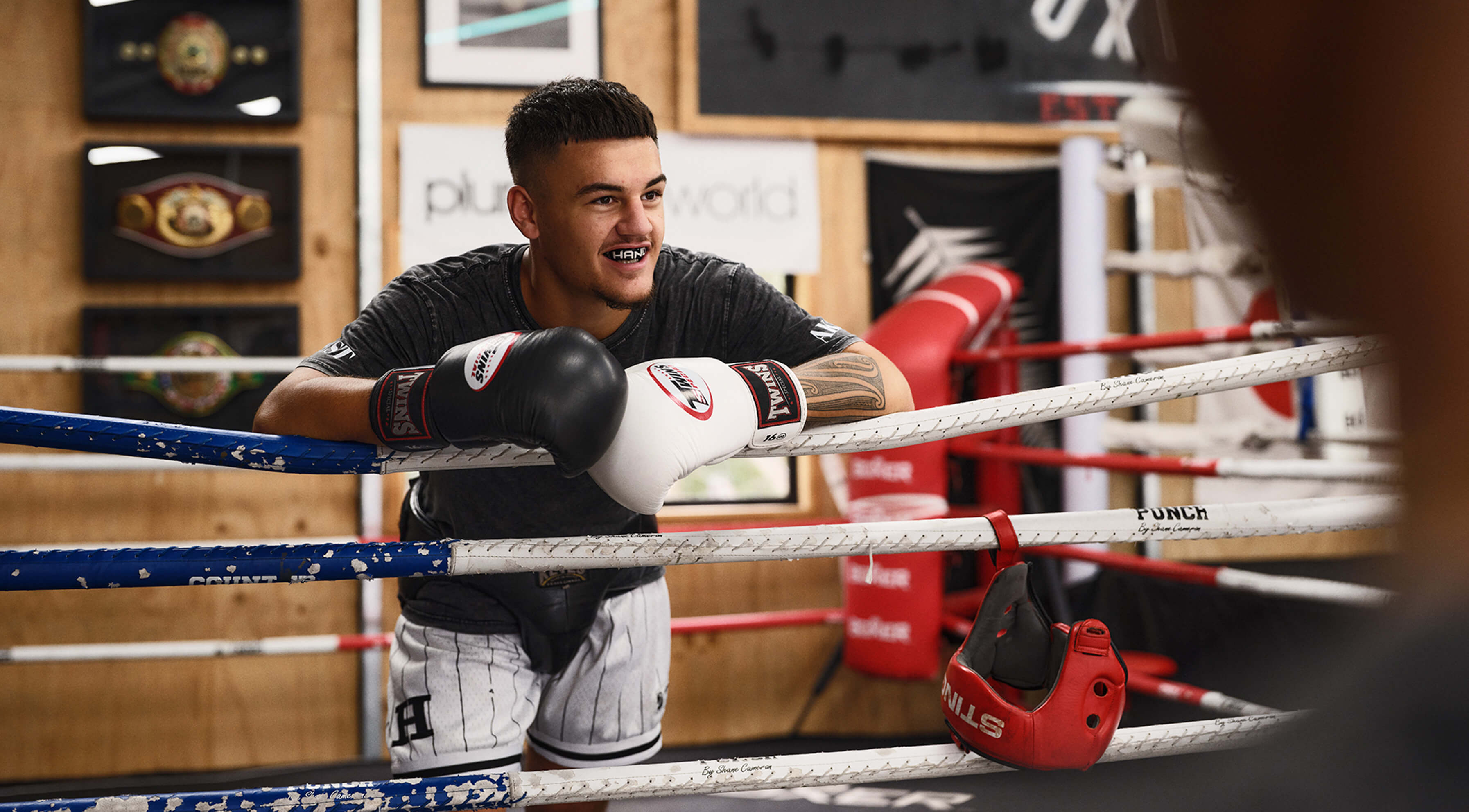
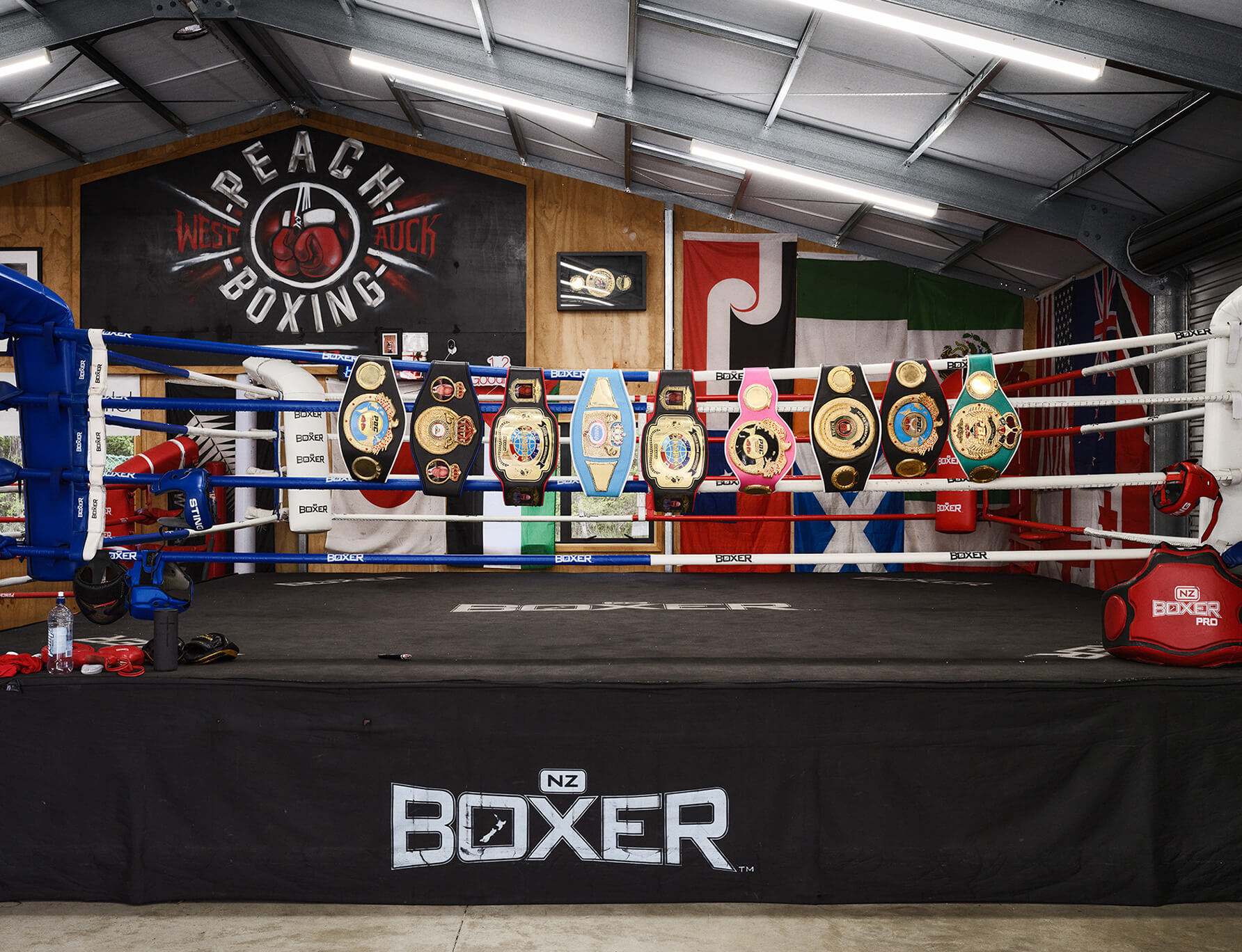
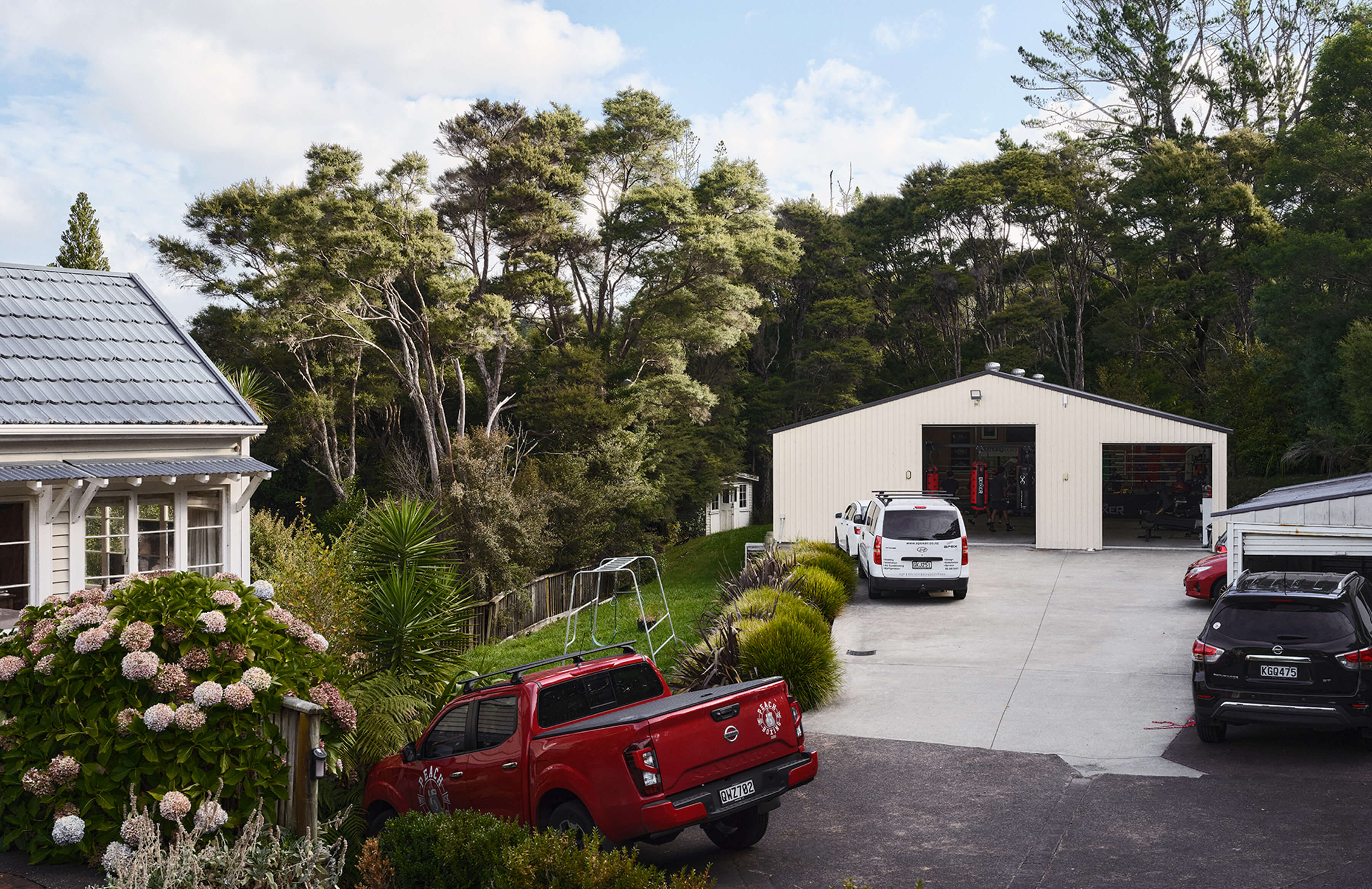
Down a driveway that doesn't announce itself in Henderson Valley, there's a garage that has become one of the most unlikely high-performance environments anywhere.
"Support may include guidance around pregnancy and early parenting, child health and wellbeing, positive behaviour, early learning pathways and preparing tamariki for school. We work alongside whānau to remove barriers, connect them with the right supports and build skills that help tamariki thrive in safe, loving environments.
Our approach is strengths-based, whānau-centred and grounded in whakawhanaungatanga, recognising that strong whānau relationships are key to positive outcomes for tamariki. "
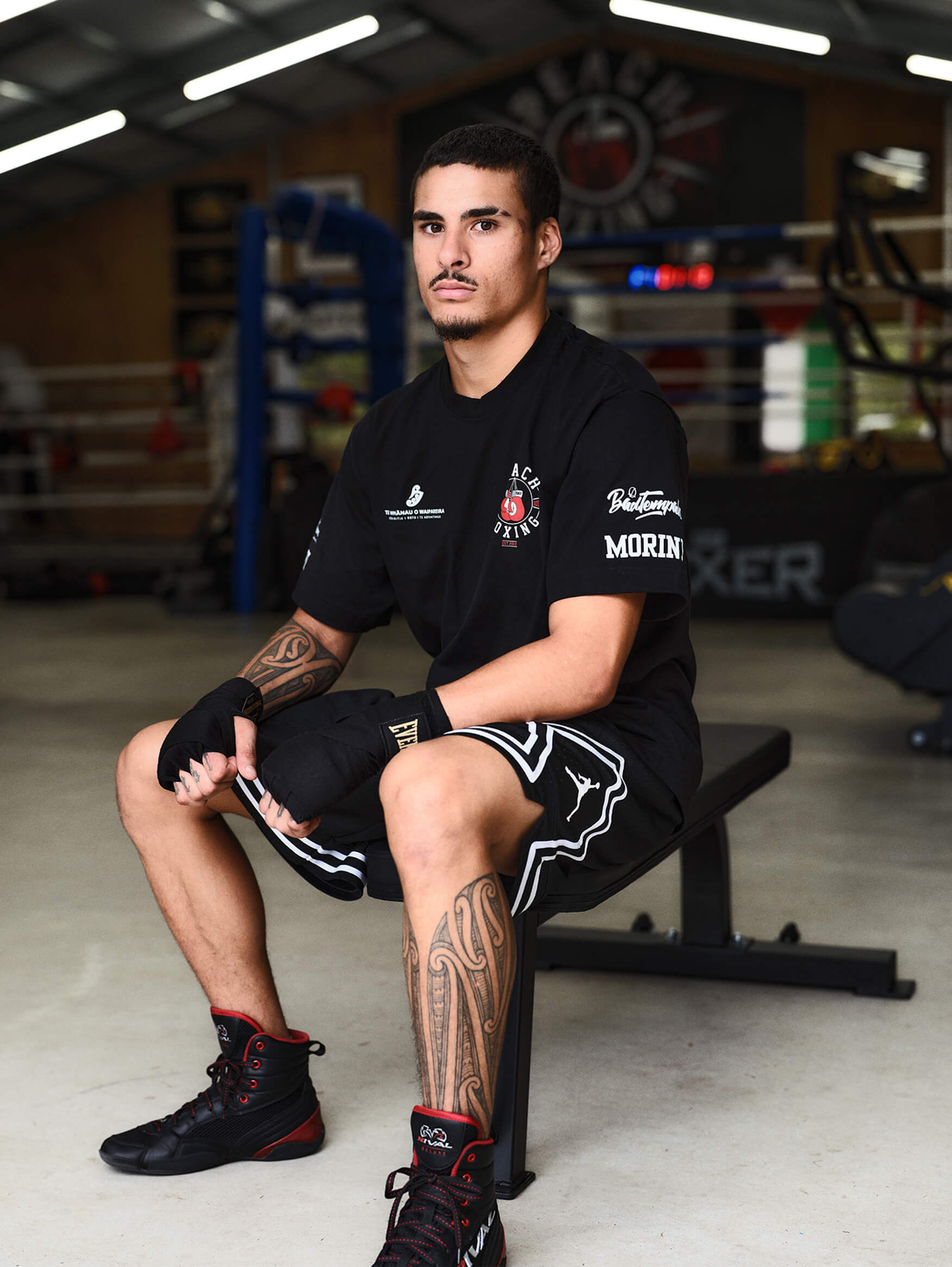
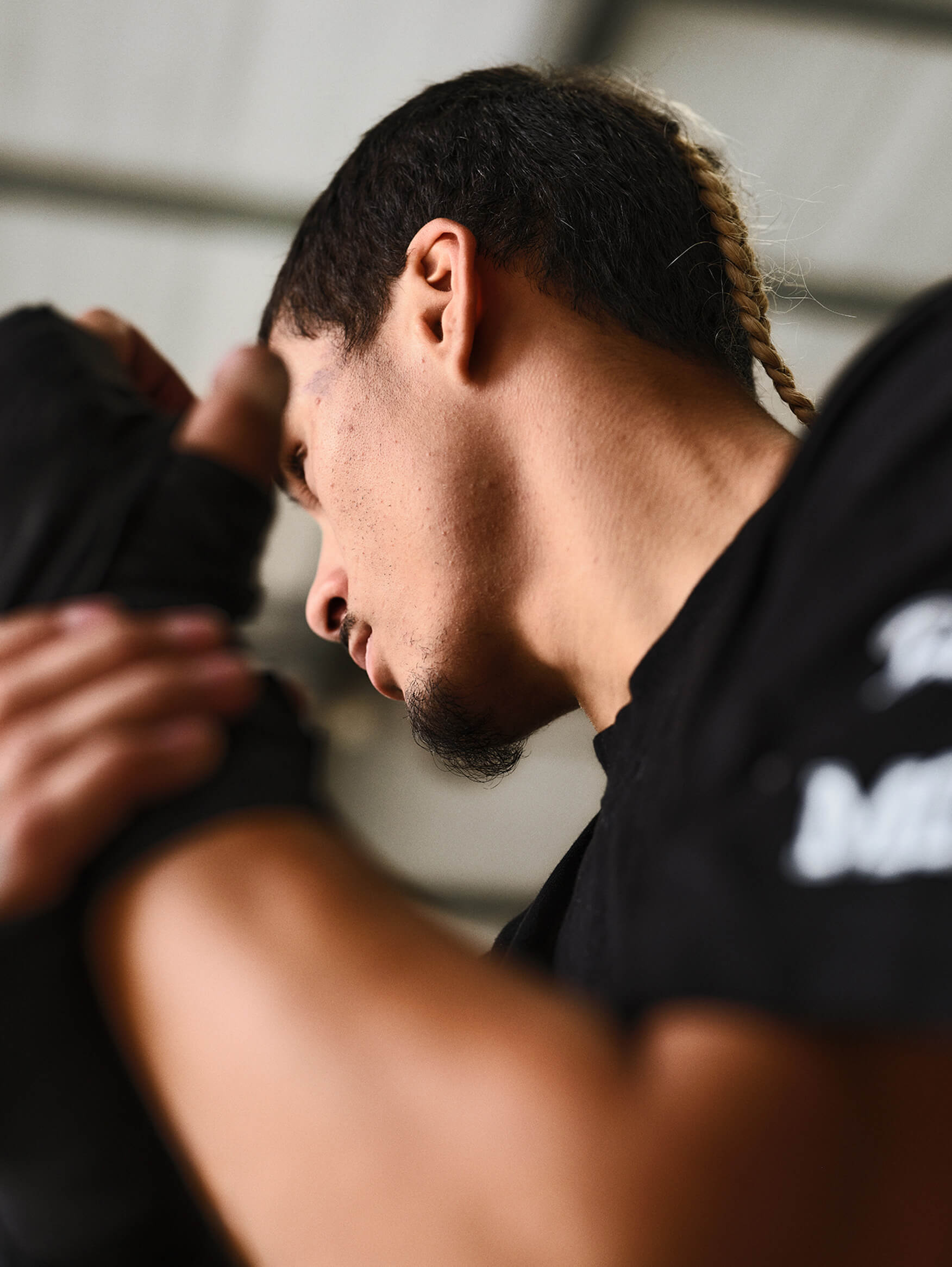
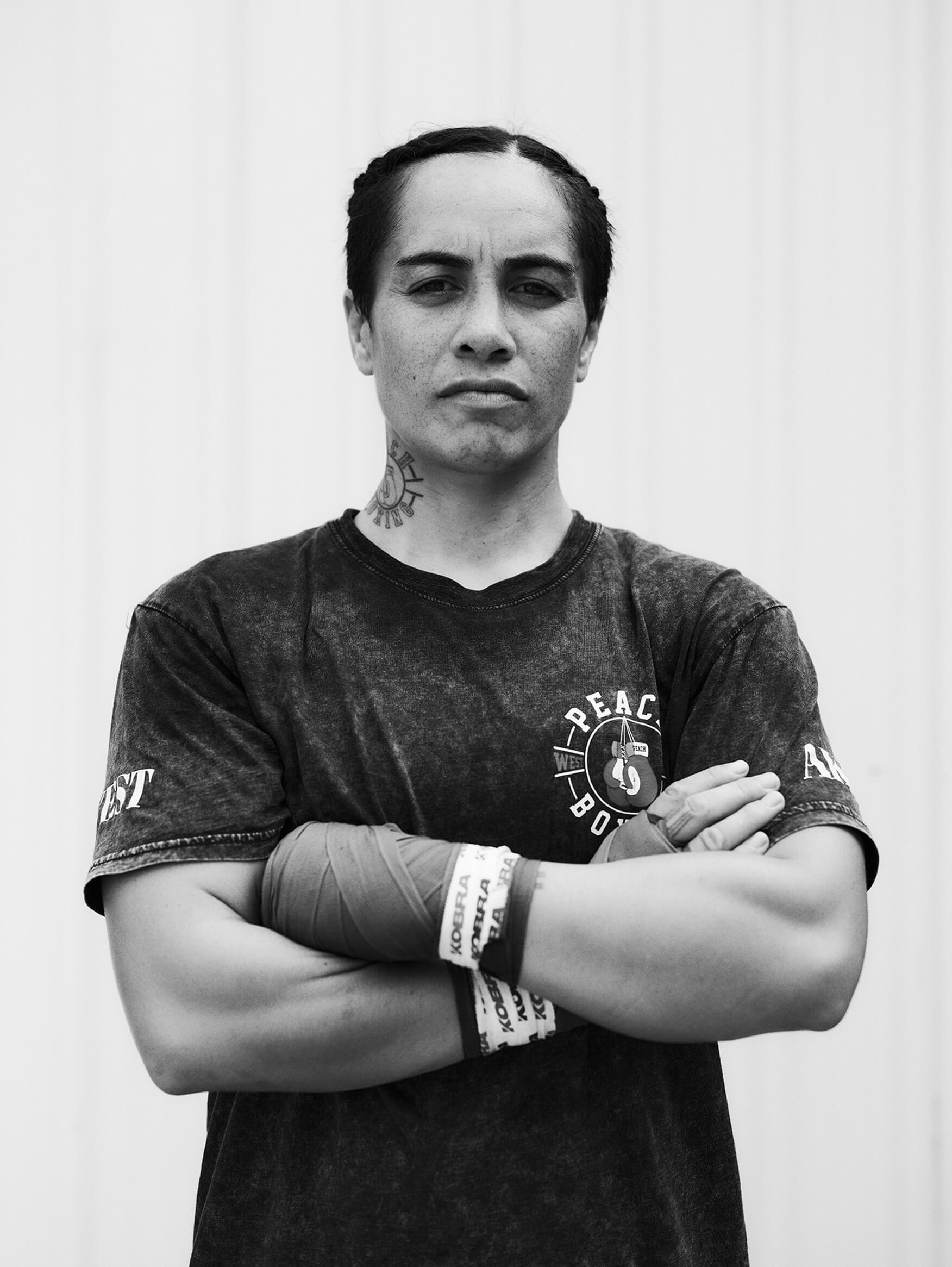
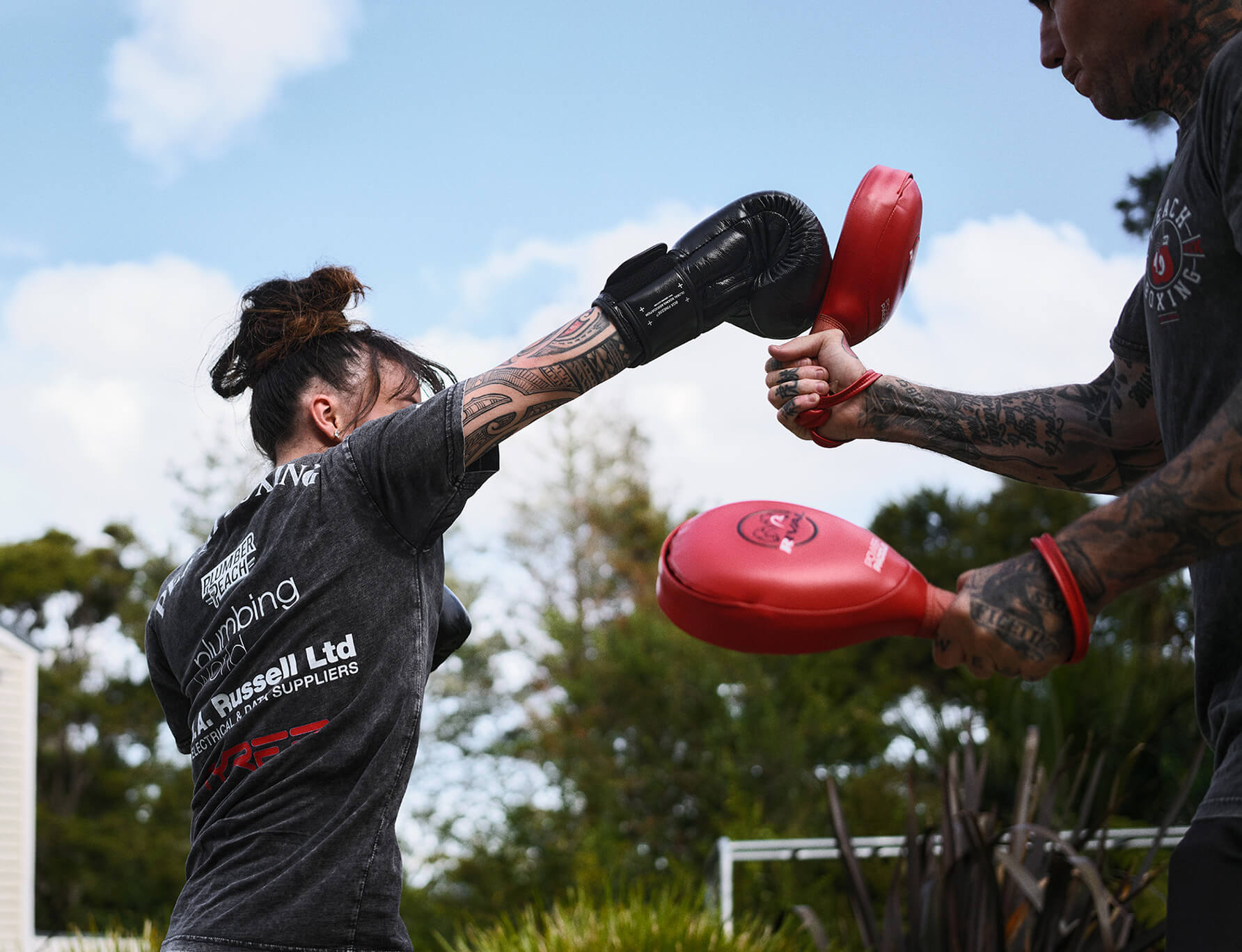
At the centre of it are Isaac and Alina Peach. Coach and operator. Trainer and caregiver. Between them, they carry the work across every layer of a fighter’s life. Isaac runs the sessions, tracks the rounds, knows when to push and when to pull back. Alina holds everything else: the logistics, the relationships, the phone calls that happen outside of training hours. Fighters aren’t just conditioned here. They’re challenged, supported, and in many cases, rebuilt.
The results are hard to ignore. But what makes Peach Boxing distinct is the context it operates in. West Auckland isn’t a backdrop. It’s an active force. Kids from the valley who grew up with limited pathways have gone on to represent New Zealand. Success here isn’t framed as escape. It’s something grown from the place it came from.
The work extends far beyond the ring. There are early mornings before school, hard conversations after losses, fighters being held accountable to something larger than their next bout. What’s visible on fight night is the smallest part of it.
None of this is accidental. It’s built. Repeated. Maintained.
Still happening in a backyard.
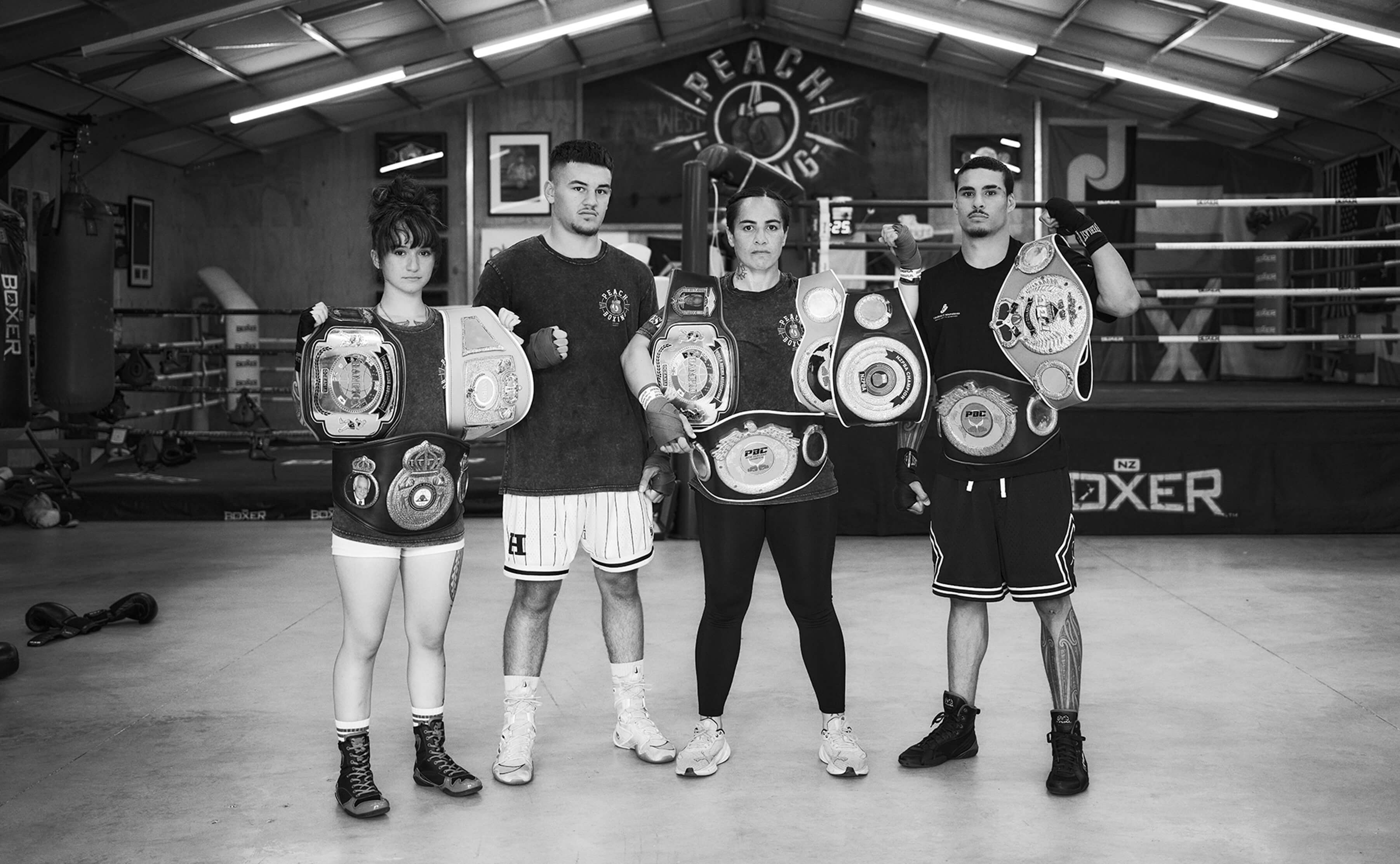
Peach Boxing is based in Henderson Valley. How has West Auckland shaped you, both as business owners and as parents?
Alina: This is our home, our community. Isaac was born and bred here in the west and never wants to leave. For me, it has become my home, my children’s community. I want it to be a safe and thriving place. We try to create opportunities for adults and kids, whether that be through work, personal growth or community work. The more people that can grow through the boxing programme, the better humans we will have in our society.
You’ve called the gym a “backyard factory of boxing excellence.” Where did that idea come from?
Isaac: Being able to show people that you can go from the bottom to the top, and anything is possible.
Alina: It’s about proving that no matter where you come from, what your background is, greatness is possible. That’s not to say it’s easy, because it definitely is not, but it is achievable—and our little West Auckland garage has shown that.
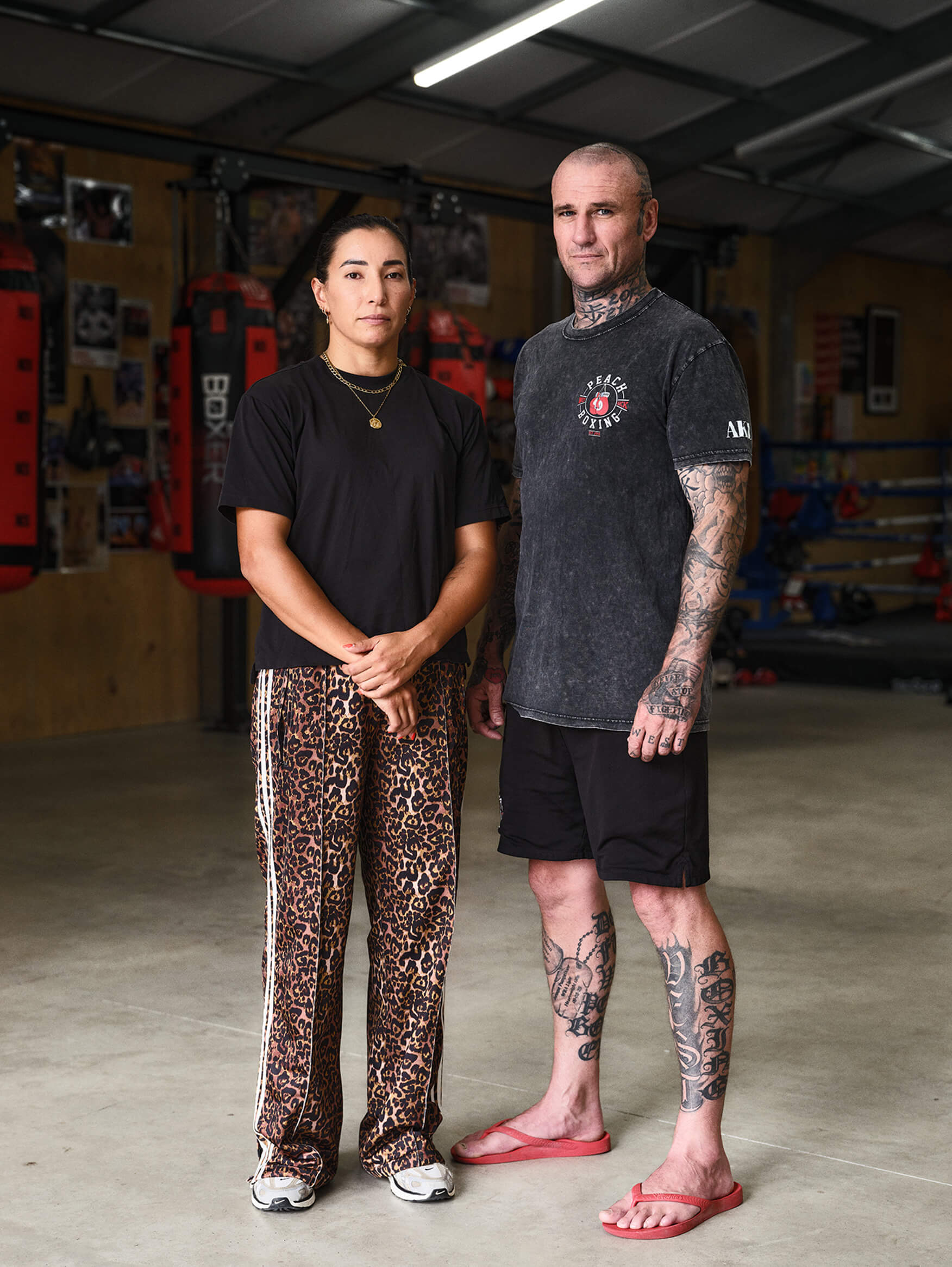
You met through boxing. What did you make of each other at the start?
Alina: Honestly, we didn’t like each other. I thought he was an arrogant a**. We didn’t speak for the first six months.
Isaac: That she needed help with her boxing.
How does your background in nursing influence the way you work with fighters?
Alina: It definitely helps. Not just medically, but in understanding people holistically. There’s so much more to athletes than physical training—mental, social, cultural. Nursing helped me understand those layers of hauora.
After more than a decade together and four tamariki, what has building the gym taught you about building a whānau?
Isaac: Resilience, perseverance, and patience.
Alina: Balance. I haven’t got it right—but I’m learning.
Why build something world-class in West Auckland instead of taking it offshore?
Isaac: Because West Auckland is our home. It’s important we look after where we come from. This was never a plan—it just evolved naturally, so it was always going to be within our community. I still have no intention of doing it overseas. I want the Kiwi talent.
You now have one of the top stables in the world, with multiple fighters ranked globally. When did it start to feel like Peach Boxing had become elite?
Isaac: I don’t know that I can pinpoint a time. Maybe when we started winning internationally and taking regional titles against fighters with far more resources than us.
Alina: For me, it was when he had four fighters ranked in the top 15 in the world at the same time, all from our garage. That’s when I realised this was something special.
What are the non-negotiables in your gym?
Isaac: Attitude, attendance, character, the ability to challenge yourself—and being brave enough to attempt greatness.
Alina: Be a good human and give your absolute best, whatever level that is.
What did you see in Mea Motu before the rest of the world caught on?
Isaac: Ability, mindset, and a need to do boxing for her own life.
What did it take to earn her trust?
Isaac: Turning up for her daily.
Alina: No judgement. Bringing her into our whānau—simple things like dinner, time with the kids, being included.
Looking back on her journey, what moments stay with you?
Isaac: Her first pro fight—the joy when she realised she was good. And winning the world title.
Alina: The title, of course—but also seeing her speak to rooms of hundreds and move people. That impact is powerful.
How do you create a space where people feel safe enough to rebuild their lives?
Isaac: It’s non-judgemental, but with high standards. The one rule is: turn up.
Alina: It’s full immersion. We support every part of life—finances, work, relationships, health. It’s constant.