

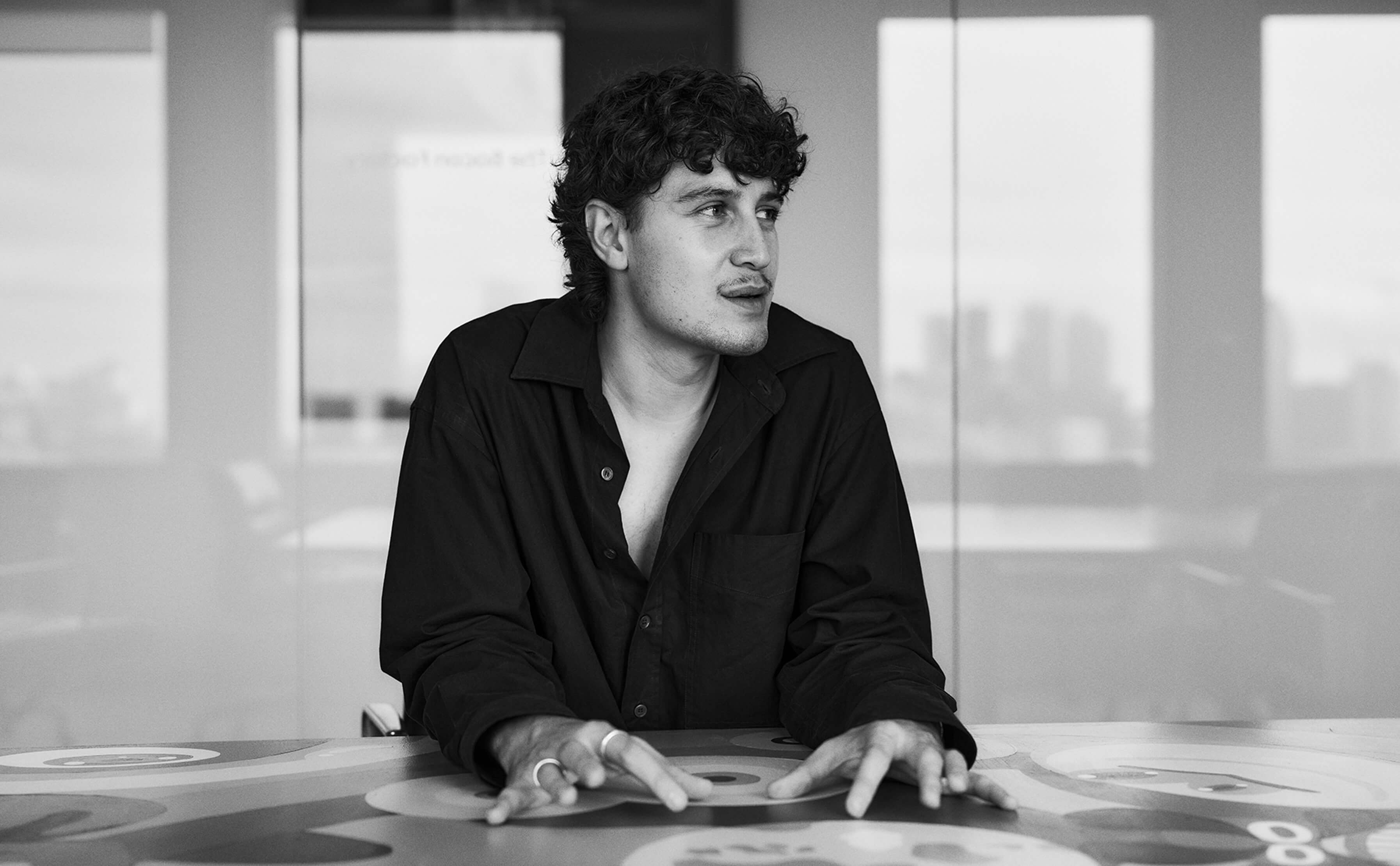
Léon Bristow
The cost of showing up
There is a tension running beneath these pages between visibility and exhaustion, ambition and responsibility, performance and survival. Advertising, as Bristowe describes it, is an industry obsessed with shaping culture while still struggling to confront the structures shaping itself.
His reflections move between worlds with fluency: theatre, advertising, cultural advocacy, entrepreneurship, Māori and Pasifika representation. What connects them is a deep awareness that creativity is never neutral. Every campaign, casting decision, budget line and boardroom conversation carries consequences for who gets seen, who gets heard and who remains invisible.
Much of the work described here sits inside contradiction. The industry celebrates diversity while relying heavily on unpaid cultural labour. It asks for authenticity while rewarding assimilation. It invites Māori and Pasifika creatives into spaces that still often expect them to soften themselves once they arrive. Bristowe speaks openly about the cost of that negotiation. The pressure to overperform. The fatigue of constantly needing to explain, defend or advocate. The understanding that if he does not speak, there are many rooms where nobody else will.
At the same time, there is joy throughout these pages. Curiosity. Humour. Restlessness. A willingness to follow instinct toward unfamiliar places, whether that meant moving across the world, applying repeatedly to drama school, or building entirely new structures where existing ones had failed.
Performance lingers quietly underneath much of what follows. Not only through acting, but through the emotional choreography required to navigate creative industries themselves. Learning to hold conviction before anyone else understands the idea. Learning to sit inside discomfort long enough for something honest to emerge. Learning that making meaningful work sometimes means becoming the least comfortable person in the room.
What gives Bristowe’s perspective its emotional weight is the refusal to separate personal experience from systemic reality. Racism, exclusion and underrepresentation are never treated here as abstract conversations. They are lived conditions that shape careers, confidence, health and opportunity. BEINGS emerges from that understanding. Not as branding, but as intervention. A refusal to accept invisibility as inevitable.
There is also a deep tenderness beneath the ambition. An awareness of time. Of fragility. Of wanting the work to matter while there is still time to make it matter. Some of the most affecting moments arrive when Bristowe speaks about purpose, illness, community and the need to build pathways wider than himself.
What emerges most clearly is not simply a portrait of a creative, but of someone trying to reshape the conditions future creatives inherit. Not just representation, but belonging. Not just inclusion, but structural change. The work reaches beyond visibility toward something more enduring: the possibility of industries where Māori and Pasifika people no longer have to fight quite so hard to remain fully themselves.
Born in France, Māori, Samoan, Dutch, raised in Aotearoa. How did you make sense of all of that growing up?
There wasn’t really a “making sense of it” because that was just my normal growing up. I thought it was normal for everyone to be born overseas. I thought it was normal for people’s parents to speak multiple languages. I thought it was normal to have special characters in your name. What I realise now is that it gave me an international lens from a very early age. It made me naturally curious about people, culture, and the way different worlds co-exist alongside each other.
Because my parents’ lived overseas for eight years I always saw it as a natural step that I would take one day. So I’ve never shied away from opportunities. At 20, I moved to the States on a university exchange to study Theatre and Cultural Anthropology at the State University of New York, New Paltz. Then at 24, my first job out of advertising school took me to Spain. I’m very grateful for dual citizenship from my parents. Countries like England and Australia have never really interested me, because they seem too similar to New Zealand. I love a culture shock, it forces me to understand a different way of living.
When did your whakapapa stop being complicated and start being a creative force?
I’ve been really lucky to have a Dad who always nurtured my connection to my whakapapa growing up. Even though we lived far away when I was younger, we would always return to visit the marae. I studied te reo Māori in college and university, so I never really felt disconnected from that part of myself. But there was definitely a light-switch moment where my perspective shifted, and I truly began to understand the impact colonisation and systemic inequity had on our communities.
I was at a leadership camp run by Fibre Fale, led by Julia Pahina and Namulauulu Nuualii Eteroa Lafaele, two incredibly inspiring leaders and changemakers. I remember sitting in a circle as participants shared their struggles and experiences navigating life and workplaces. One by one, the stories sounded so similar to each other and my own. For so long, I had thought those experiences were just personal struggles that I needed to navigate. But hearing other Tagata Moana share the exact same challenges made me realise these weren’t isolated experiences, they were systemic. It showed me how deeply these systems had failed our communities.
Out of that realisation came a sense of responsibility. In advertising, we often talk about shaping culture through media, but when I’d look around the rooms I was in, I was often the only Māori or Pasifika in decision-making spaces. Which meant I had a responsibility to speak up for my people and our stories. Navigating that responsibility came with its own challenges. There were moments where I spoke up when I wasn’t expected to, or said no when I wasn’t supposed to. But it also made it clear what I stood for, and what I still stand for today.
Through that journey, I’ve been supported by my whānau, friends, and tīpuna into becoming a creative force grounded in both purpose and culture. As one of only around 4% of Māori in the industry, I know I bring perspectives into conversations that may otherwise never be considered, simply because they come from lived experience. I also know that if I don’t advocate for my people and communities, there are many rooms where nobody else will. But I don’t want that responsibility to sit with only a few of us. I hope to create new pathways, open new doors, and make it easier for more Māori and Pasifika creatives to step into those spaces alongside me.
You were rejected from drama school six times. What kept you going back?
Probably a mix of passion and stubbornness. I really loved acting. Ever since I was little, I loved movies, and my mum had acted in a New Zealand TV series when she was younger, so I always had this curiosity for it. Unfortunately, my high school was too small to offer drama as a subject, so I only really discovered it properly when I got to university. I wanted to pursue it so badly that I made it my major, and I was kinda good at it.
Drama schools offered something traditional education didn’t, which was practical work. Actually getting on the floor in your bare feet and going through the motions and emotions of acting, instead of sitting in a lecture theatre writing essays about Greek gods. I was never particularly good at essay writing, but I was good at practical, hands-on work, and I wanted to immerse myself in that kind of learning.
One year I even got my friends to help me make 1,000 paper cranes, and I delivered them to the school in a giant cardboard box, with a printout of a Japanese legend, that if you make 1,000 paper cranes, you get a wish. I got a couple of unsuccessful callbacks and a waitlist, and I thought if I just kept applying, they’d eventually get the hint that I was committed.
The last time I applied, I remember the feedback was something along the lines of: “You didn’t seem particularly committed or determined in your audition”. And I remember thinking… they were right. Because that same year was also the year I applied to study advertising, which completely changed my life.
Performing arts shaped how you see the world before advertising ever did. What did that training give you that nothing else could?
Performing arts taught me the power of letting go. I recently spoke on a panel for Youthline NZ about their new research into the state of young people today, and one of the key findings was that social pressure is one of the biggest challenges they face. And I see that same anxiety in adults too. That’s why one of the most valuable things performing arts gave me was learning that it’s okay to look stupid.
When I first started studying theatre at university, there were so many moments in practical tutorials where I thought, “I look like an idiot.” But over time, I developed so much admiration for the people around me, especially those who were a little more seasoned from high school, because they could take the most outrageous direction and commit to it so fully that you believed them completely.
That lesson has shaped the way I navigate interactions in life, and my work in advertising. In our industry, we pride ourselves on coming up with audacious ideas for brands, ideas that can sound ridiculous before they sound brilliant. And our job is to deliver them with conviction. In many ways, it’s still performance. The same way an actor makes an audience believe in a character, we’re trying to make people believe in a creative vision, no matter how unexpected it first seems. Performing arts taught me that great ideas often require you to let go of fear, lean into discomfort, and commit before anyone else can see what you see.
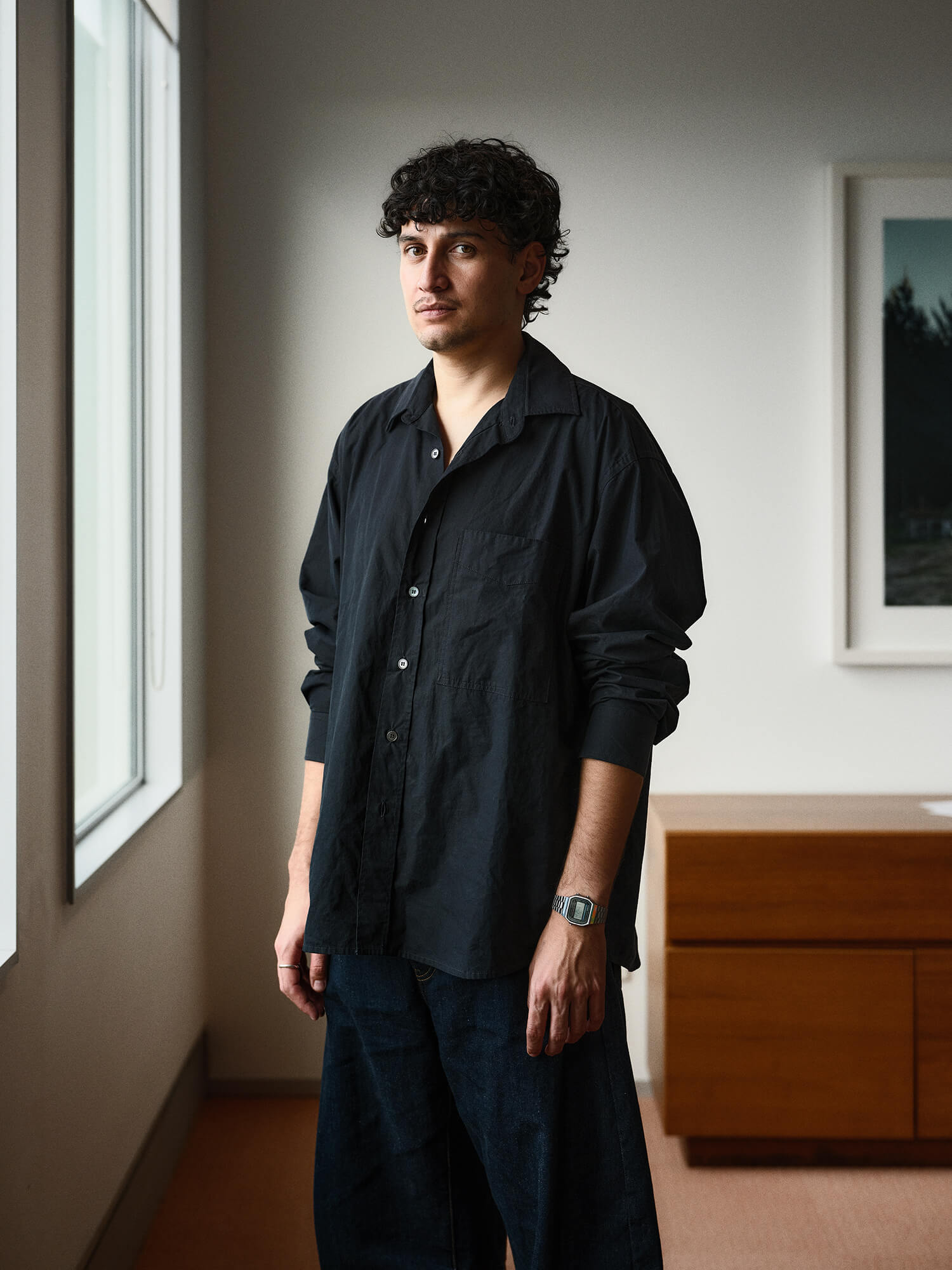
You found advertising almost by accident and Media Design School was not the traditional path into the industry. What did coming through that door give you that a more conventional route might not have?
I remember finishing my Bachelor of Arts in Theatre and Cultural Anthropology and, for some reason, thinking the job market would just open up for me.But it didn’t. At the same time, I was young and didn’t really know what I wanted to do with myself, so I moved to the Manawatū where I had family and worked a couple of interim jobs while pursuing acting. I remember making coffee orders at a café one day and thinking to myself, “Is this it? Is this what I’ve worked for?”
So I took the leap to Auckland, where I worked at Auckland Grammar School as a Teacher Aide and at Auckland Art Gallery as a Gallery Assistant. Around that time, I started thinking about further study and spoke to some university advisors, until I met one from Media Design School. I was considering graphic design, and they suggested I look into the Graduate Diploma of Creative Advertising instead. I had a conversation with the programme director, Kate Humphries, and was immediately sold. For the application I had to write a submission on why I should be accepted, starting with: “It looks like I just pulverized my hamster with a spatula…”.
The course itself was a one-year, pedal-to-the-metal accelerator. Unlike traditional university, our class of about 22 students ran like a full-time 9-to-5 job. Every assignment was a live brief, with our first being the D&AD New Blood Awards, one of the most competitive creative competitions in the world. Our work wasn’t judged against a classroom standard; it was judged by some of the top industry professionals against ideas from creatives all over the globe.
We were trained to have a point of view, defend ideas, and develop creativity under pressure. One thing Kate Humphries did brilliantly was push our creative boundaries to grow. We didn’t receive marks until after the course because she believed grades could stunt our confidence, and I agree. One of the biggest lessons I learned there was to have an opinion. Which sounds simple, but in such a demanding industry has really grounded me.
There's a difference between work that references culture and work that actually carries it. When you're working on something connected to Matariki, te reo Māori, or Auckland Pride, what does it ask of you that a standard commercial brief doesn't?
Working on cultural or community briefs asks much more of my lived experience than my learned experience. Through education and working in the industry, I’ve learnt things like shortcuts in Figma, how to prompt AI, or what makes a strong creative concept. But you can’t learn in a class or meeting room the cultural nuances that exist within communities. Which is why people with diverse backgrounds and perspectives have such a competitive edge.
The moment a cultural brief lands in my inbox, I’m no longer just an Art Director, I also become a cultural advisor and leader. I’m often responsible for guiding teams on what feels culturally relevant, respectful, and authentic to the communities we’re representing. That means drawing on my own lived experiences to help unpack the whakaaro and cultural meaning behind ideas, and helping others without lived experience to navigate those spaces with care.
What’s different from a standard commercial brief is that these responsibilities are rarely formalised or compensated for. There’s often an internal tension between setting boundaries and going the extra mile to ensure communities are represented authentically, especially when that representation is ultimately creating commercial value for a brand.
What does a great idea feel like before it becomes one?
To me, a great idea is one that keeps pestering me. One I can’t let go of. I’ll often jot ideas down in my notes so that I don’t forget it, and if I keep coming back to them then it’s usually a sign. Advertising taught me that the best ideas should be easy to understand. They can be explained in one or two sentences, and have an underlying truth that people recognise in themselves, which evokes something.
Great ideas rarely arrive in a glamorous way. I’ve had them in the shower, out on runs, sometimes I have to lounge around with my creative partner and talk about the latest movies or best dressed at The Met gala to arrive at the destination of a great idea. And that’s what I love about advertising. Even though it’s a fast-paced industry, there’s an understanding that we need to create space for wandering conversations, and talking complete gibberish in order to arrive somewhere interesting.
What will you never compromise on creatively?
I’ll never compromise on my values and integrity. I genuinely believe advertising has a huge impact on culture today. We consume it so often that it shapes the way we see the world, consciously or subconsciously, which means I have to be mindful of the work I put out into the world. What kind of impact will it have, and on who?
Working on campaigns across different brands I have an influence over the stories we choose to tell, who gets cast, and where budgets are directed, some that reach the millions. Even something as simple as the photographer I choose to shoot the campaign can create opportunities for communities and individuals who are often overlooked. I’m very intentional about those decisions and about the kind of work I want to make. I feel incredibly privileged to be in the position I’m in, so I think a lot about what I do with the opportunities that come my way and the responsibility that comes with them.
BEINGS came out of watching the industry fail people in real time.The casting controversies, the racial profiling, the gap between what gets said about diversity and what actually happens on set. When did you decide that frustration needed to become something?
Everything was really just an idea on paper until I got my first round of funding. I remember telling my Dad how much I’d been funded, and he misheard me. He said, “Oh, $2,000? That’s really good.” And I had to correct him, “No, $50,000.” His face just dropped into complete shock.
In total I’ve now received nearly $85,000 in funding, which at the time was well above my 9-5 salary. But more than anything, it reinforced that people genuinely believed in this idea. And once that happened, it stopped feeling like something I should just talk about. I had to follow through.
In true entrepreneurship, I honestly had no idea what I was doing at the start. The seed of BEINGS actually began when I was living in Barcelona. I started collecting headlines and stories about the mistreatment and profiling of underrepresented communities in the acting industry, conversations and controversies happening over and over again globally.
At the same time, I was seeing advertising organisations overseas putting real support and investment behind diverse communities in ways I wasn’t seeing in Aotearoa. And I kept thinking, why not replicate that for artists who don’t have the stability or privilege of a salaried creative job like I did?
So little by little, the project kept growing. What started as frustration eventually became an opportunity. And then opportunity became BEINGS.
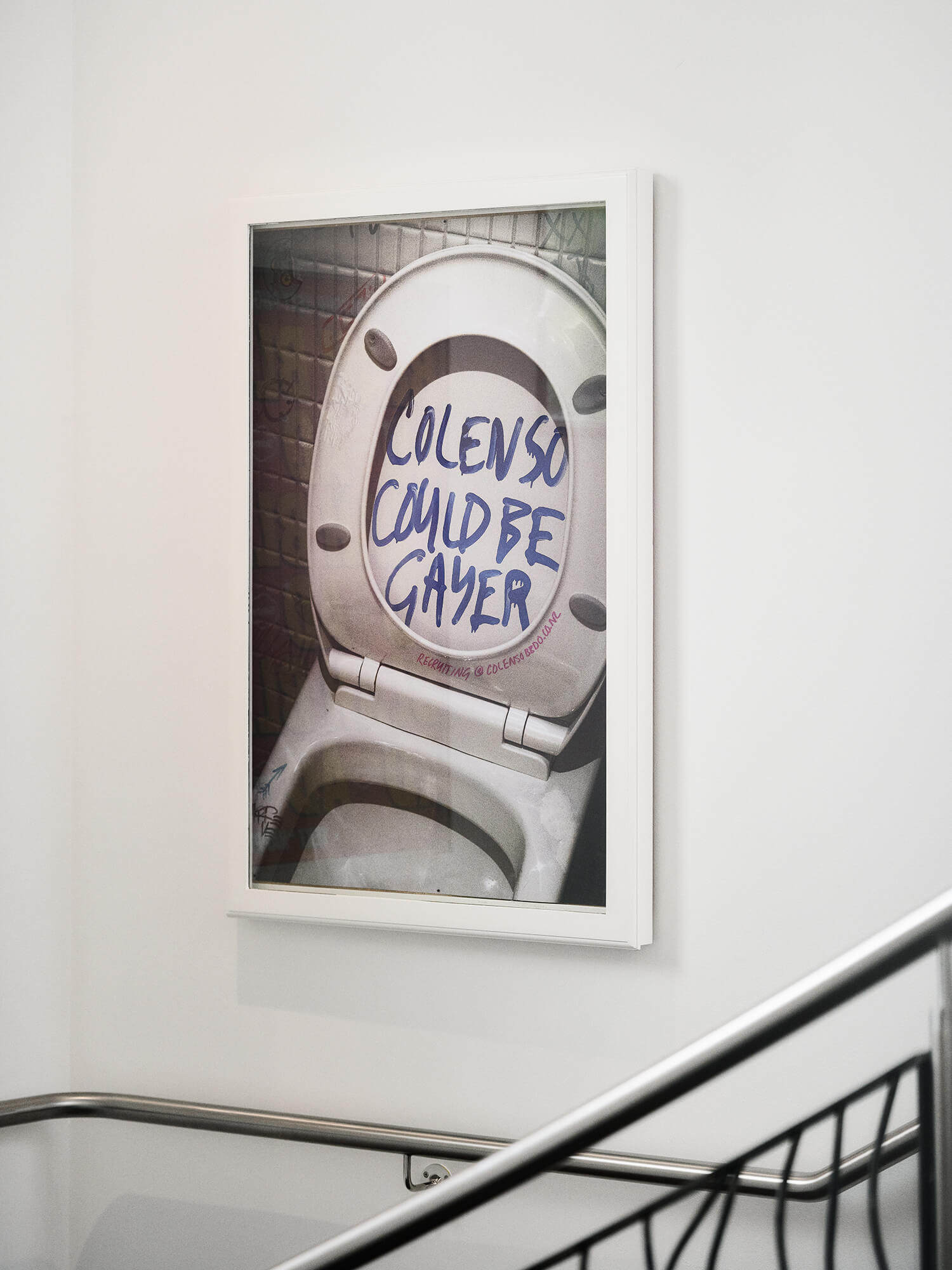
What does BEINGS do that conversations and panels and working groups couldn't?
I’ve been part of a lot of groups and conversations where there’s endless discussion, but not much action afterwards. BEINGS is the action. With our key line, “Nothing about us without us,” BEINGS directly addresses many of the issues that constantly come up in those conversations: lack of representation, lack of accessibility, lack of findability, lack of support. A big intention of BEINGS was to eliminate industry excuses. Someone once asked me, “But what if the industry continues to cast inappropriately?” And I said, well, if they were asked why they made that decision now, it would be a pretty hard question to answer. The visibility and access is there.
As a small business, BEINGS is also far more nimble than large organisations and traditional systems. While I’m familiar with casting processes, I’m also rewriting a lot of the rules that established companies are often restricted by. They usually have fixed structures, formulas, and systems they need to follow. Before BEINGS, talent directories like this didn’t really exist in the industry. By not being an agency we’re able to platform and represent a much broader range of talent who align with our mission, rather than being confined by traditional representation models.
The industry talks constantly about representation. What does it still fundamentally get wrong?
Structural change. I think the industry genuinely wants better representation, the conversations are happening, but what it still gets wrong is understanding that real impact requires foundational change. And that’s no small feat. These systems are deeply embedded within organisations; they’re “in the walls,” as they say. To create meaningful change, especially quickly, you have to be willing to fundamentally shift the structures themselves. But right now, a lot of it still feels surface level and incremental to me, which can take years.
What gives me hope is that some of the old attitudes, like “play the game” and “that’s just how the industry works”, are slowly being challenged. The next generation of creatives are politically and culturally engaged in a way previous generations weren’t. The people entering the industry today grew up with queer clubs at school, technology, conversations around identity, accessibility, mental health, and normalising representation. That changes how they see the world, and what they expect from it. I think that’s exciting. But the industry has to be willing to unlearn, and embrace that shift.
You've faced significant health challenges alongside everything else. How has that shaped the way you approach the work and the time you have for it?
I’m a very internal thinker, probably too much so sometimes. Knowing life can be short, I tend to overanalyse a lot of what I do because I’m aware that things can change suddenly. And they have before. It’s probably also why I’m such a workaholic. I want to feel like I’ve made a difference. Like there's a purpose behind what I’m doing. I often think to myself: if things suddenly turned south tomorrow, what would I have contributed? What would I have experienced?
It’s reinforced one of my core mantras, which is: “Do what you enjoy.” I know firsthand that any day could be your last, and because of that I couldn’t imagine living a life that feels disconnected from who I am or what I care about. I want to wake up every day and spend my time doing work that excites me, challenges me, and hopefully impacts others in a positive way. For a lot of people, health challenges could be a reason to slow down and smell the roses. But for me, it’s had the opposite effect. I tend to dive headfirst into the things I care about. Not recklessly, but intentionally. If I choose to commit to something, it’s because I’ve thought deeply about it.
In an industry that has historically been very white and very narrow, what has it cost you to show up fully as yourself?
I’ve definitely evolved as a person because the industry I work in is so severely underrepresented. Along that journey, I think it’s cost me a lot of energy to be heard, seen, and treated equally. I truly believe so many of us have to work harder, dress better, stay longer, and overperform just to receive the same recognition and opportunities as others.
As one of only 4% of Māori in the advertising industry in Aotearoa, I’ve experienced pressures, conversations, and emails that most of my colleagues will never have to think about themselves. And the hard part is that some pressures aren’t always visible or conscious, they’re deeply ingrained in the culture and foundations of outdated systems and thinking.
As I’ve evolved, especially as an entrepreneur, I’ve become far more protective of my time, energy, and where I choose to give myself. My tolerance for outdated ways has become much shorter, and in some spaces that has probably cost me likability. But I’ve learnt that’s okay. In Advertising, the best work stirs conversations at both ends. It challenges norms. Because real change requires a point of difference.
Has there been a moment where you had to choose between making the room comfortable and making the work true?
Absolutely. All the time. And it doesn’t always make you the most favourable person in the room. It often comes down to deciding whether you’re going to serve the system you’re expected to work within, or serve your people. And that’s hard. I try to create space for others to share their thoughts and arrive at their own understanding, especially because when it’s Māori work, everyone already knows it won’t be a ‘traditional’ process. I usually try to guide people toward that learning themselves. But there are moments where I have to raise my hand, not as an Art Director, but as a Māori person, and say, “That’s not okay.” Regardless of someone’s title or seniority. And that can be uncomfortable for everyone in the room.
But I think what happens after those moments tells you everything about the intentions behind the work. I’ll always have time and patience for people who are open-minded and willing to sit in that discomfort in order to learn. And I’ve seen so many people grow through that process, especially through our agency’s weekly Kaputī sessions. Watching people become more confident in their te reo, waiata, and pronouncing Māori correctly outside of those lessons. Even just being comfortable enough to get things wrong, and right themselves. I think that’s really special, and a great example of the change discomfort can bring.
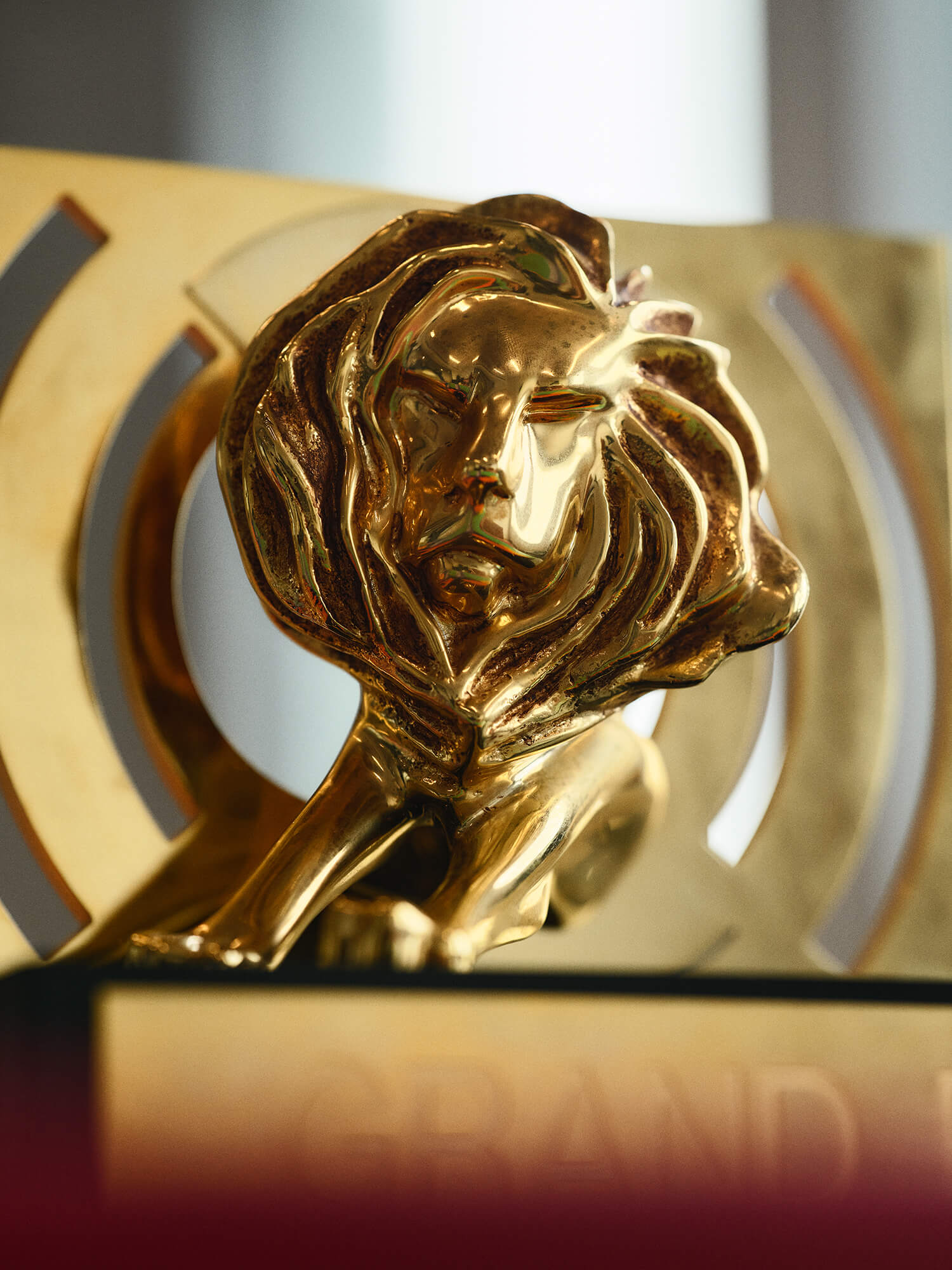
Number four art director in the world in the Cannes Lions Talent Rankings. Does that kind of recognition change how you move through the industry, or are you still running your own race?
Definitely still running my own race. Advertising is good at keeping you humble because the work is so momentary. An ad might run for a month or two, and then it’s over. At a global calibre, we’re competing in an industry that spits work out like a machine gun, so there’s very little time to stop and celebrate before you’re back at ground zero trying to sell in the next big idea again.
But also, receiving that recognition took a village. In reality, I was a small part of the team that brought those ideas to life. There were other creatives, producers, strategists, and execs all crafting their own parts of the campaign that ultimately helped rank me that highly on the world stage. While I really cherish that title, there are definitely other awards and accolades I hold even more dearly because I had to fight harder for them independently.
For the next generation of Māori and Pasifika creatives coming into this industry, what do you want them to know that you had to figure out the hard way?
There is so much I wish I could share with the next generation of Māori and Pasifika creatives, but over time there have been a few key pillars I’ve found in myself, and seen in others I admire, that have really propelled me.
Do what makes you happy. When you enjoy what you’re doing, it doesn’t feel laborious, it’s what gets you out of bed every day. And when things get hard, you’ll find a way through it because you genuinely care about what you’re building.
Find your tribe. These are the people who will lift you up when you need it, and humble you when you need it. Your tribe is the support system you can turn to when things are difficult (and they will be), but they’re also the people who will fight for you in rooms when you’re not there.
Be proactive. Being proactive separates you from the herd. When everybody is waiting for opportunities to be handed to them, what will set you apart is the work you do outside of that. That extra initiative will propel you forward faster than others because, honestly, most people won’t do it. It’s hard, but well worth the payoff.
Be your own biggest cheerleader. Everybody is running their own race, and the one person who should back you the most is yourself. There will be moments when you’re the only person in your corner and you have to be brave enough to speak up and remind people why you deserve to be in the room with a seat at the table.
Work in service of something. Finding a purpose or cause beyond yourself that you truly care about makes your work, your time, and your energy far more impactful.
Be resilient. There is so much growth in discomfort, but to get there you have to step outside of what you already know. Sometimes the discomfort and hardship aren’t within your control, but if you stay resilient and endure them, there is so much growth, learning, and payoff on the other side.
What are you building toward?
I’m building toward representation and belonging for my communities within the creative industry. Māori make up only 4% of the advertising industry, despite being 17% of the population in Aotearoa. Our people have so much to offer that a room without Māori could never conceive on its own. To continue creating original ideas, we can’t keep hiring the same types of people. It requires different thoughts, perspectives, and lived experiences from different backgrounds and upbringings, which is exactly what diverse communities bring. I see it as a superpower.
And to support representation and belonging for others, I’ve also learnt you need to support and secure your own oxygen mask first. I’m still very much in the beginning of my journey and I hope to continue building my own presence internationally as a creative so I can continue carving new pathways and opening more doors that have historically been closed to my people.