

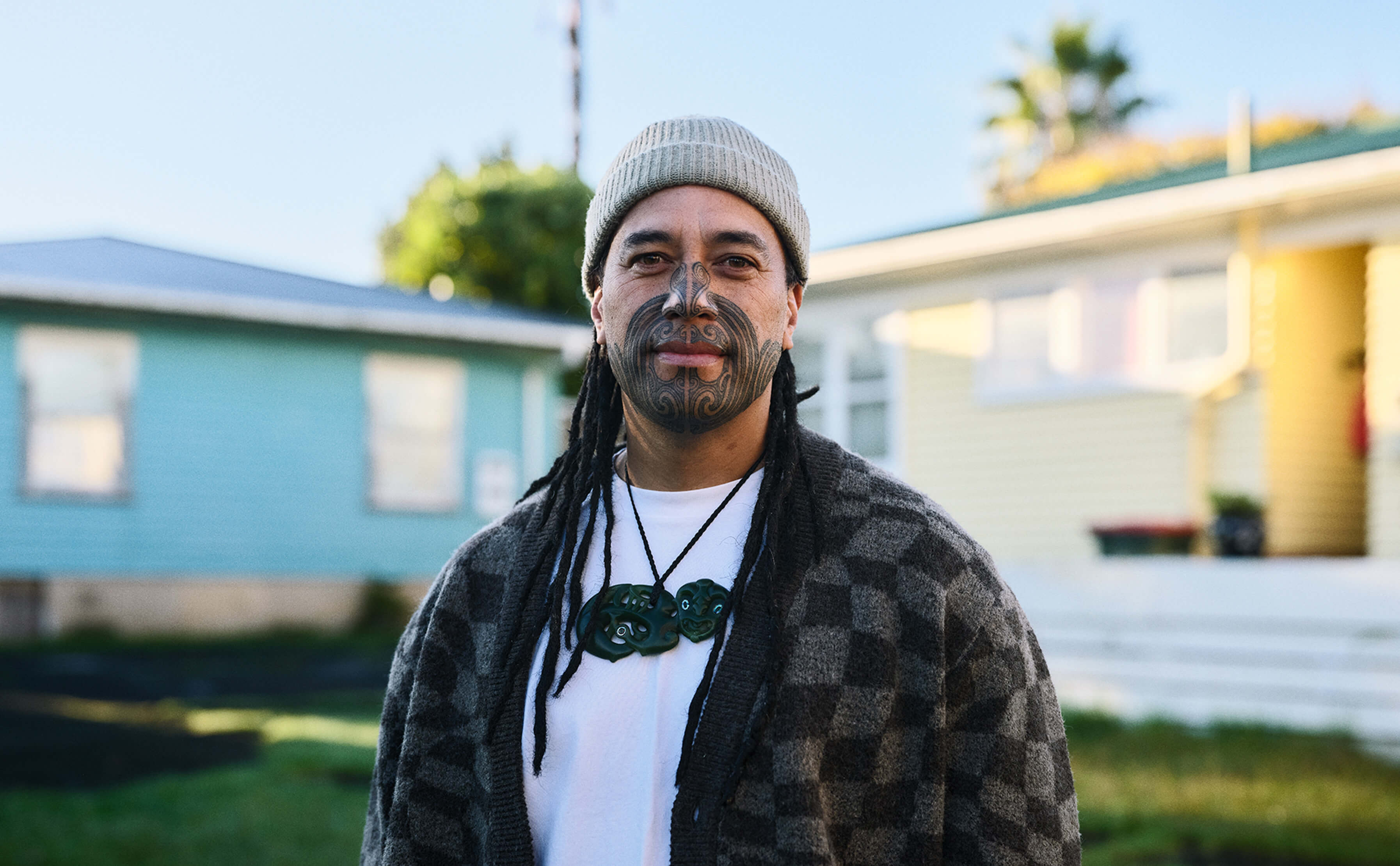
Kawariki Morgan
Living Inside the Dream
Some people build movements.
Others are born inside them.
Long before kapa haka titles, television programmes, or national recognition, there were parents, grandparents, aunties, uncles, and community leaders working to create something that did not yet exist. Kōhanga reo, kura kaupapa Māori, urban marae, and spaces where te reo Māori could be spoken, heard, and lived were not inevitable. They were imagined, fought for, funded, organised, and sustained by people who believed future generations deserved something different.
This story begins in the midst of that work.
Growing up in West Auckland, surrounded by whānau deeply involved in community life, leadership was never presented as status or authority. It was participation. It meant showing up. It meant being useful. It meant understanding that the wellbeing of the collective required contribution from everyone. The expectation was not that someone else would do the work. The expectation was that you would become part of it.
The kōhanga reo and kura kaupapa movements sit at the centre of that experience. What many now take for granted was, for an earlier generation, an act of determination and belief. Parents created resources where none existed. They raised money, organised classrooms, supported teachers, and trusted in a vision that had not yet proven itself. They invested in a future they might never fully see.
The results of those decisions are visible throughout this interview.
Te reo Māori is not described as a subject learned in school. It is a foundation. A source of confidence, identity, and belonging. It provides a connection to whakapapa, to community, and to the generations who carried the language through periods when its future was far less certain.
Kapa haka became another expression of that same philosophy. While audiences often encounter kapa haka through performance, competition, and spectacle, those things tell only part of the story. Beneath the stage sits a much deeper network of relationships. Whānau, mentors, teachers, composers, tutors, and generations of performers all contribute to something larger than any individual. Success may be measured in trophies, but endurance is measured in people.
That understanding runs through every chapter of this story. Whether through kapa haka, broadcasting, storytelling, or community leadership, the focus repeatedly returns to connection. To creating spaces where language, culture, and identity can thrive. To ensuring the next generation inherits more opportunities than the one before it.
There is a whakataukī often reflected in movements that endure: the work is never really finished. One generation lays foundations. The next builds upon them. Another strengthens what already exists and prepares it for those still to come.
Perhaps that is the real story here.
Not achievement.
Not recognition.
But continuity.
The understanding that none of us arrive alone, and that the greatest responsibility is to leave the pathway stronger than we found it.
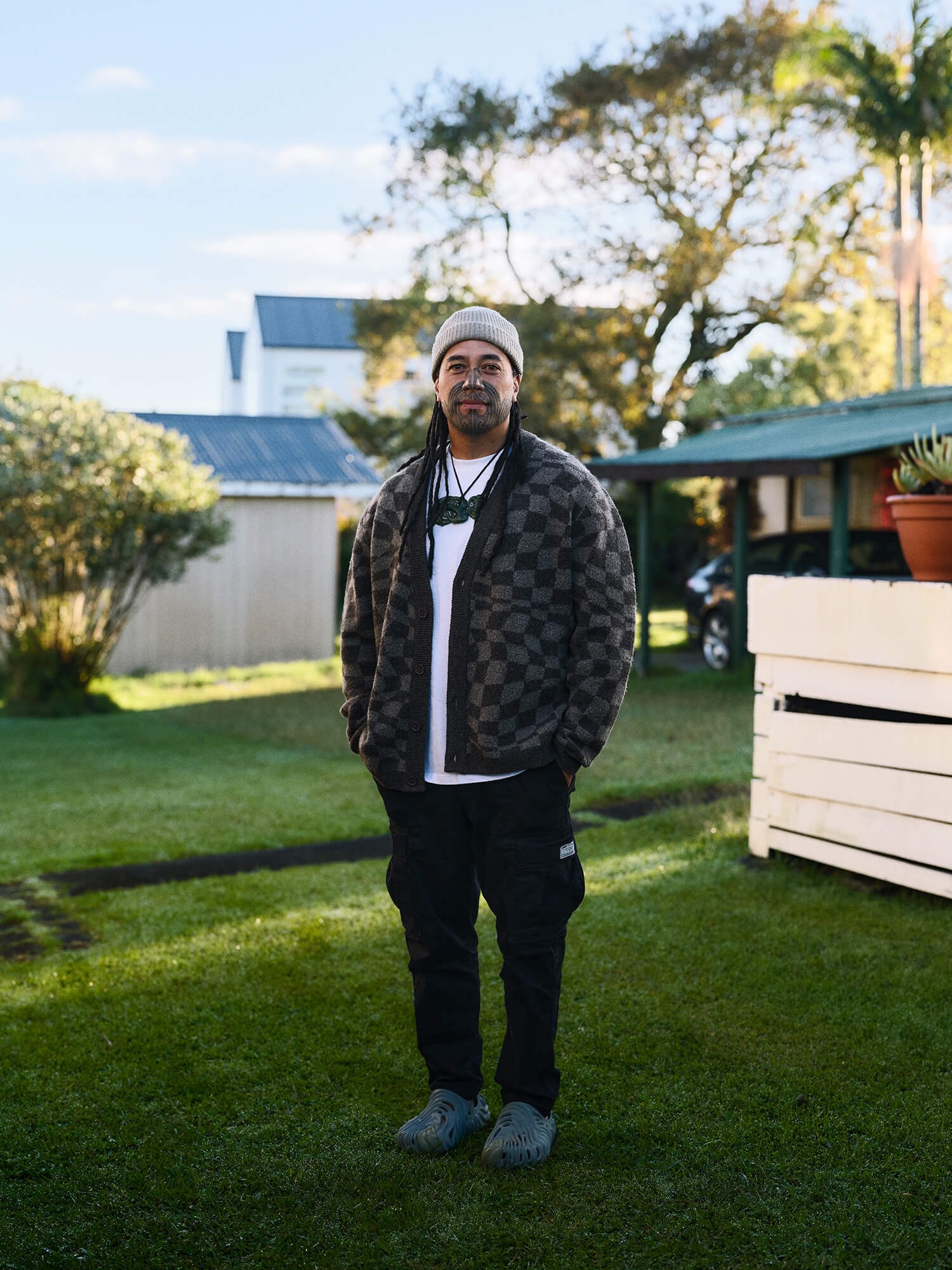
What did growing up on Tawa Road and in West Auckland teach you about leadership, identity, and community before you even had the language for it?
Growing up seeing my aunties and uncles,my parents and grandparents and my grandmother especially, heavily involved in the community and in politics, I suppose it was just part of life. We'd see them on TV, see them in the community, on the school board at the kura and at the marae. They exemplified that being a leader means being part of the people. Mobilising the community, doing things for the community. It wasn't so much about telling people what to do, but actually showing up and being part of it. All the different initiatives and kaupapa, like the kura and kōhanga. My nan, Ereti Brown, had her own kōhanga reo. My older sister and I used to work there. My younger sister was at kōhanga while we worked there. So from an early age we were made to work and be part of what our grandparents, parents, aunties and uncles were doing. Every holiday we'd go and work there. We were exposed from very young to seeing and being part of all of that.
That street produced a Governor-General, two MPs, and a generation of leaders. Did it feel like a special place when you were inside it, or is that only clear in hindsight?
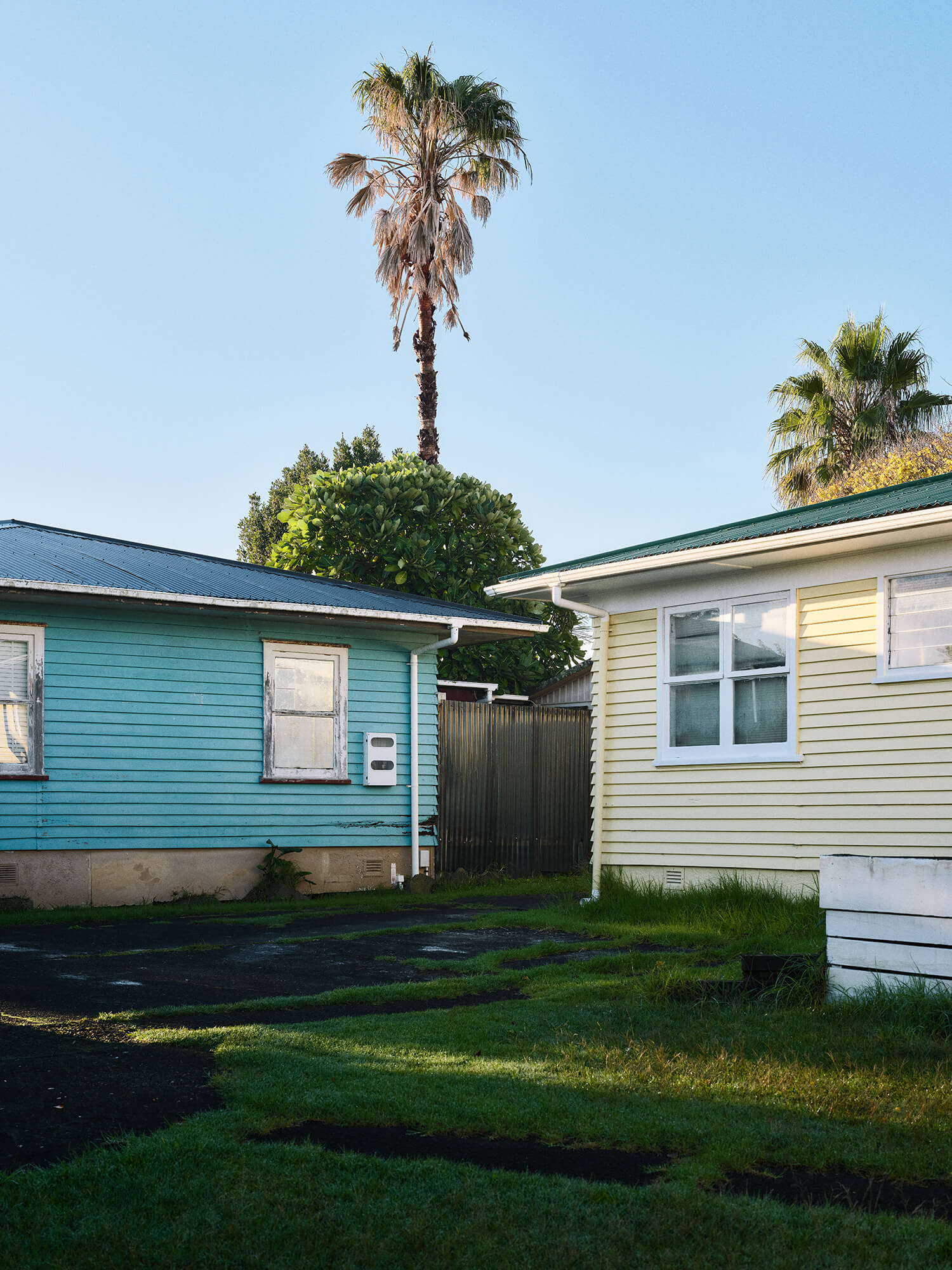
The Mariu’s and Aunty June were down on the corner, her whānau were a huge part of the Te Atatū and Māori community back then. But growing up with my grandmother next door and my uncle Tau on the other side, it was just part of life. It felt like a little village. We were really lucky to grow up like that, in our own little village with all our cousins. We're still lucky enough to be in our homestead. Still able to be around my nan, who's 87, going on 88. We take turns cooking her kai. Being a whānau, living in a papakāinga where you get to see everyone in the city, it makes a real difference growing up like that.
What did being raised and educated within Hoani Waititi and the first Kura Kaupapa Māori give you that mainstream education couldn't?
From an early age I remember my grandmother worked for Māori Affairs and helped introduce kōhanga reo to Auckland. My older sister and I were at the first kōhanga reo, up at Orakei for Ngāti Whātua. Before the marae had its own kōhanga reo, we went there. And then when the marae kōhanga reo was established, my parents Carolyn Morgan and Tukuroirangi Morgan put us into the kōhanga reo at Hoani Waititi.
For my mother, she isn't a native speaker, even though her mother, my grandmother, is. She's part of the generation that was encouraged to pursue education rather than the language, perhaps because my grandmother was unsure it would help her get a job. That was the environment my mother grew up in.
So when we were born, because my father is a native speaker, raised by his grandparents, they really wanted us to grow up with the language and the things she hadn't had. Kōhanga reo was definitely a part of that, at Hoani Waititi.
My grandmother was a huge part of the establishment of Hoani Waititi Marae. She said back in the day, before the marae existed, people would hold tāngihanga at their homes. With so many people coming through, there'd be a lot of cars on the street, and the police would come around asking if they were having parties. Those kinds of ceremonies and rituals were just hard to carry out in the city. So they wanted a place where they could hold their tāngihanga, celebrate the living, and farewell those who had passed. We were a lucky generation when the kōhanga reo movement came around, we were part of it.
Kura Kaupapa was established because once kids finished kōhanga reo, they were going into mainstream. And a lot of parents talked to Papa Pita Sharples about it, the conversation was: you raised us a certain way, and then just let us go mainstream where no one knew our name, no one cared like they did here. Kura Kaupapa was obviously a movement headed by Papa Pita, but it was driven alongside him by all the parents, especially the mothers. And a lot of those mothers, my mother included, weren't native speakers, but they were passionate about giving their children the language they never had themselves.
When Kura Kaupapa first began, there were only two native speakers among all the families. My father was one. But all the rest either couldn't speak Māori or had very little. My mother told me it was the mothers who pushed it forward. Who helped make all the books, because there were no resources; who fundraised for tables and chairs, because back then it was set up outside of government funding. The parents fundraised to pay teachers because there was no funding available for Kura Kaupapa.
A lot of aunties, uncles, and families of other kids were very concerned at the time, they didn't believe total immersion was the right thing for the children's future. But I am so grateful to my parents and the parents of that era who had the vision and believed in Papa Pita's vision. That there was another way, that your language and your culture are valued.
I am a product of all of that. Their blood, sweat, and tears. Being part of that gives me perspective. I was given everything my parents had to fight for. Sometimes I think maybe my generation is a bit entitled because we didn't have to fight for any of it. But my parents and grandmother remind us that the way we give back is by putting our own kids into the movement and being part of it. So my kids, and my siblings' kids, all go to kura kaupapa or kōhanga reo. We're still part of the movement.
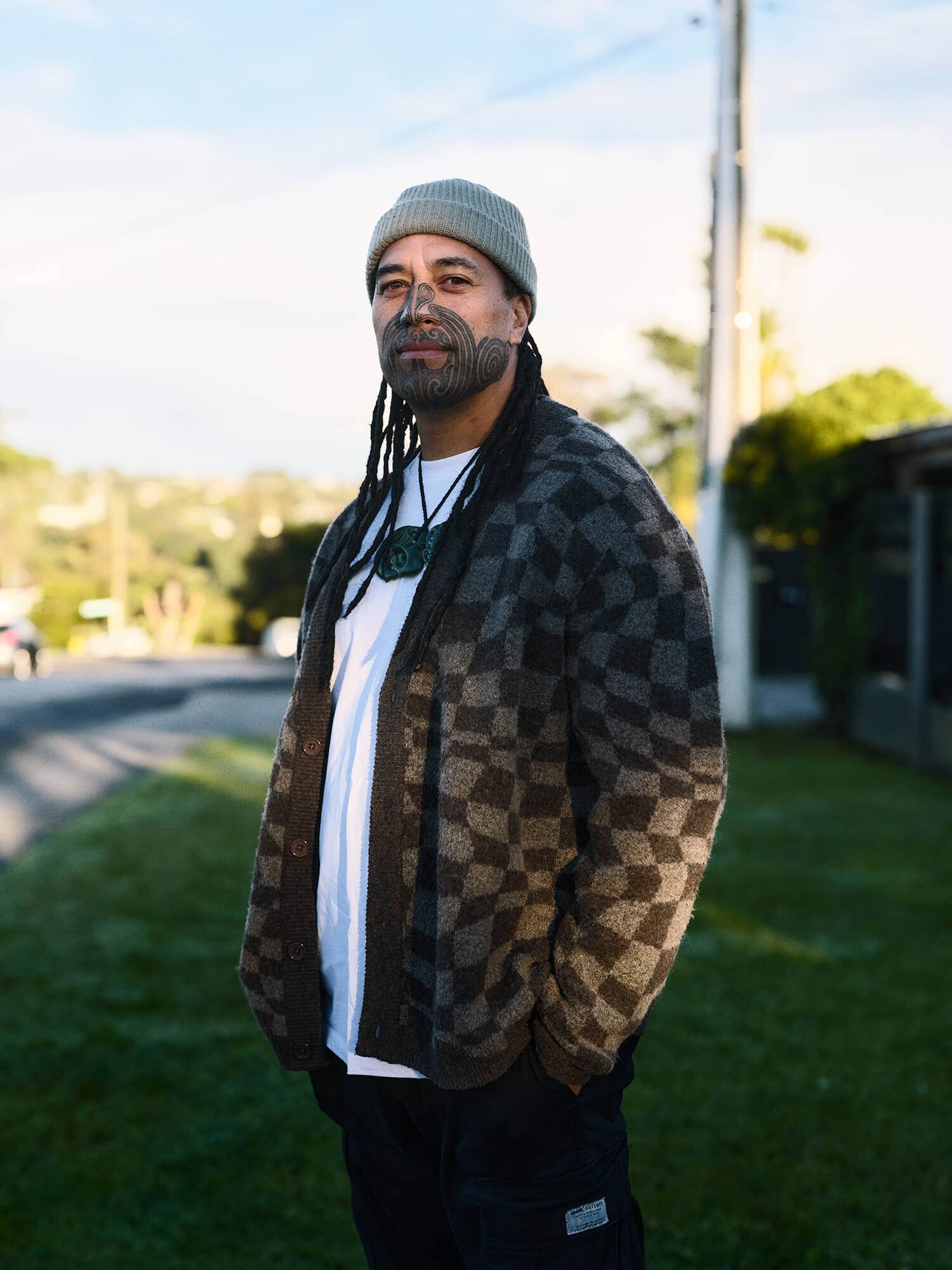
At what point did you realise the historical significance of being part of that movement, and how does it still shape you today?
Probably not until adulthood, when you really begin to appreciate what your parents did. As a teenager, you don't quite see it. It wasn't until my wife Kym and I had our two boys, Makorea and Maakoha, that I began to understand the weight of the decisions you make for your children. All those conversations and the guidance my parents gave me started to make real sense. It wasn't until I asked them what it was actually like, and really listened to how hard it was at the beginning of the movement, that I truly appreciated their sacrifices.
What has te reo Māori given you personally, spiritually, and culturally that nothing else could?
What I've gained from learning my language and culture is a confidence that comes from knowing who you are and where you come from. Even though I was raised in the city, I still have a strong connection back to where my father comes from and where my mother comes from. That confidence, your sense of self-worth, comes from your whakapapa, from those who have gone before you. It's cultural confidence. In any environment I walk into, I carry that with me.
As te reo becomes more visible in Aotearoa, what do you think people still misunderstand about its true meaning and importance?
In terms of visibility over the last ten to twenty years, I now make a living from te reo Māori. I'm a broadcaster. My wife and I own our own production company. That is entirely due to our grounding in te reo Māori. Being part of the kōhanga reo and Kura Kaupapa movement has really set us up for the work we do today.
When I think back to when we first left school, the language didn't carry the same value it does today. That was the concern back when we were kids growing up in the movement, would these teachings, this total immersion schooling, would Te Aho Matua and the guiding principles of Kura Kaupapa Māori actually help us get jobs in the future?
It definitely has. And I do feel for those who didn't have that opportunity. I'm not saying everyone who comes out of kura kaupapa goes on to do amazing things, but I do think it gives you that sense of confidence in who you are and where you come from, which I use every single day. I make a very good living from te reo Māori. It's part of who I am, and hopefully part of the lives of my children and their children.
When did kapa haka become more than performance for you, and what does the art form actually represent from the inside?
The competitiveness in kapa haka started at high school, Wharekura o Hoani Waititi. Polyfest was everything back then. Our first time performing was in 1995. I think we came second, and we were elated. But we could see that all these other schools, St Stephen's, Queen Victoria, were still going back then. And the parents, and I think the judges too, could see that us kids were a bit different. We probably had more grounding and understanding in what we were singing about, because of how we were living and what we'd been raised in. Having that kind of reaction from people around us gave us real confidence. Like wow, maybe we are something special. And I think that's something Kura Kaupapa instills in you. You feel special not just because you're Māori, but because of the depth of who you are. That feeling really began when my wife and I left school and joined Whāngārā Mai Tawhiti in Gisborne, when I was at art school.
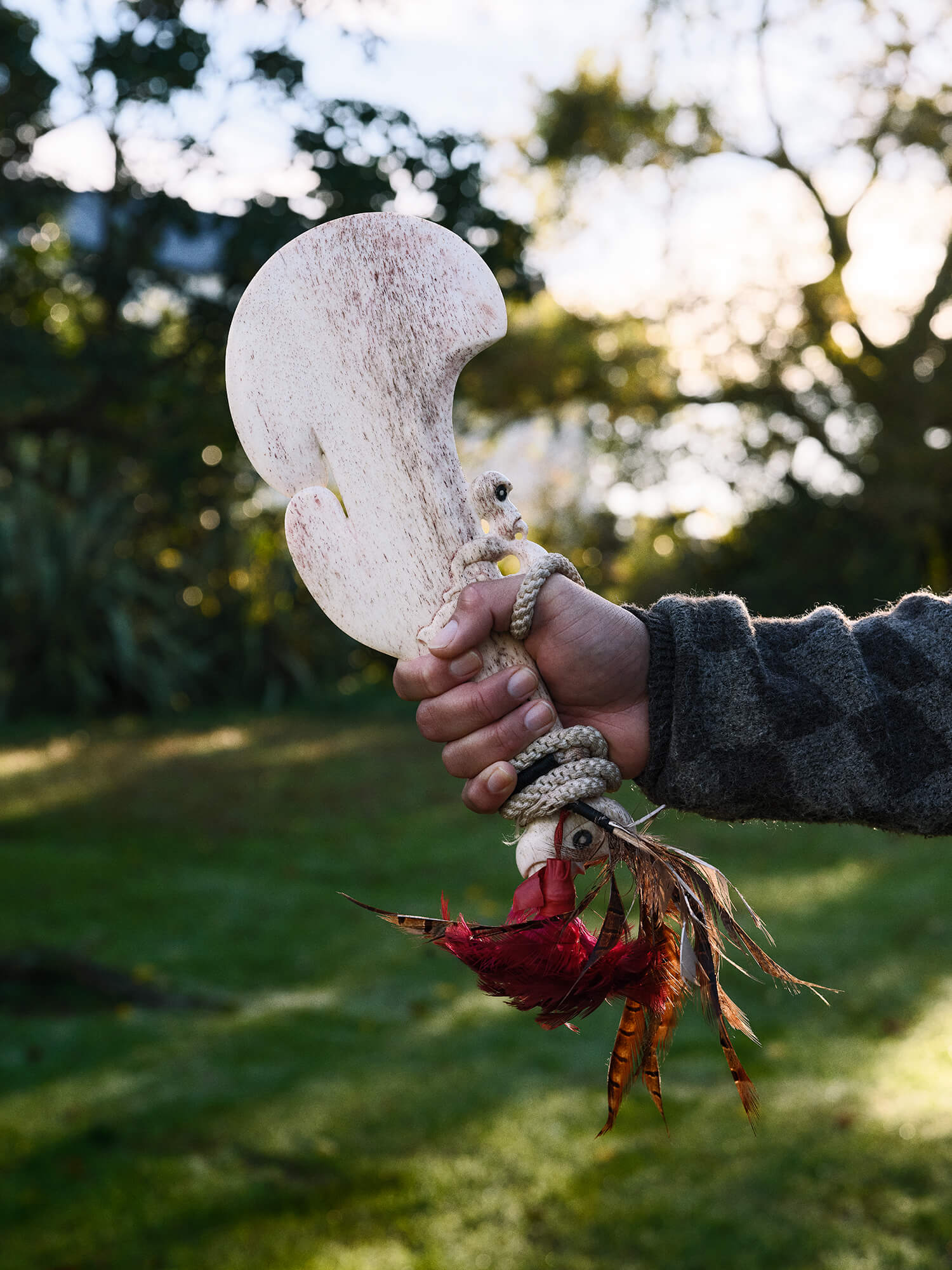
What does it really take to build and sustain a championship-level kapa and culture like Ngā Tūmanako?
I moved away from Auckland for about four years and went to art school and experienced life outside the city. I was really lucky to have time with Tā Derek Lardelli, who was our tutor. My first experience of senior kapa haka at Matatini was with Whāngārā, and the grounding I received there under the amazing tutelage of Tā Derek Lardelli and many of the kuia and kaumātua in Whāngārā, yeah those are very fond memories.
Coming back to Tāmaki, one of our mates said, let's start our own group. We were all in different groups at that point. I think we wanted to relive the glory days of being together in high school. Everyone had started having kids, so it was another way to reconnect. Ngā Tūmanako was established in 2005, and then yeah, it became our lives. Everything revolves around it, even our work, to an extent.
It has been the way we stay connected to those we grew up with. It's also a safe space for all our kids to grow up in an environment where te reo Māori is normal. Most of them do go to kōhanga reo and kura kaupapa, but this is another space where they can feel safe, where everyone around them speaks Māori and it's just normal.
Leading alongside your sister, how do you balance whānau, community, and competition within the group?
For my sister, my wife, my nephews, it's an extension of our family. We call all the babies and nieces and kids of our kaihaka our own kids. It is like one big family. And yet sometimes it gets hard. There are ups and downs, arguments, moments where you don't want to go to practice because you're in the middle of something with your whānau. But eventually you get over it, because you're going to see each other again anyway. So you have to. Balance, when it's good, it's really good. When it's not, you push through. It's all character building.
In difficult moments, what is it that truly keeps a kapa together?
It's definitely had its ups and downs. We're all friends, which is different to some kapa haka that are established by your elders. Our first tutor was Katene Paenga, one of our former teachers at kura. That was good for the first year because there was an older person who could say, no, we're doing it this way. But when he stepped down, we became tutors of our own areas within the group. That was hard, because everyone still carried styles from the different groups they'd come from. Finding our own feet and our own style was a journey in itself. But I think we finally got there.
All those hard moments and arguments have brought us closer and taught us more about each other. We're deeply grateful that we've been able to win at Te Matatini but it took us fifteen years. In those fifteen years, not making it often raised the question: why are we doing this? But we always came back to the fact that this was bigger than competition. It's a space where we feel comfortable and connected, where our kids feel comfortable. That's what kept us going.
Te reo Māori became one of our main drivers in our compositions. Because we're made up of kaihaka from everywhere, we didn't really have a central identity other than Hoani Waititi Marae. Inside our wharenui, the poupou represent all the different iwi. Ngā Tūmanako was always a place for everyone.
What does Te Matatini represent beyond competition, both for Māori and for the people inside the kapa?
One of my fondest memories, other than the good times, is seeing a composition you've created come to life. That's a highlight of being in the group and being a tutor. Seeing your waiata haka performed on stage in front of you is a proud moment. And seeing kaihaka who came straight out of school into our kapa develop over the years and now watching them take leadership within the group is amazing.
When we won in 2019, we came back to the marae and saw the whole community come out, not just the kura and the marae, but Glen Eden. The whole community that raised us came out to celebrate. We're really proud of that.
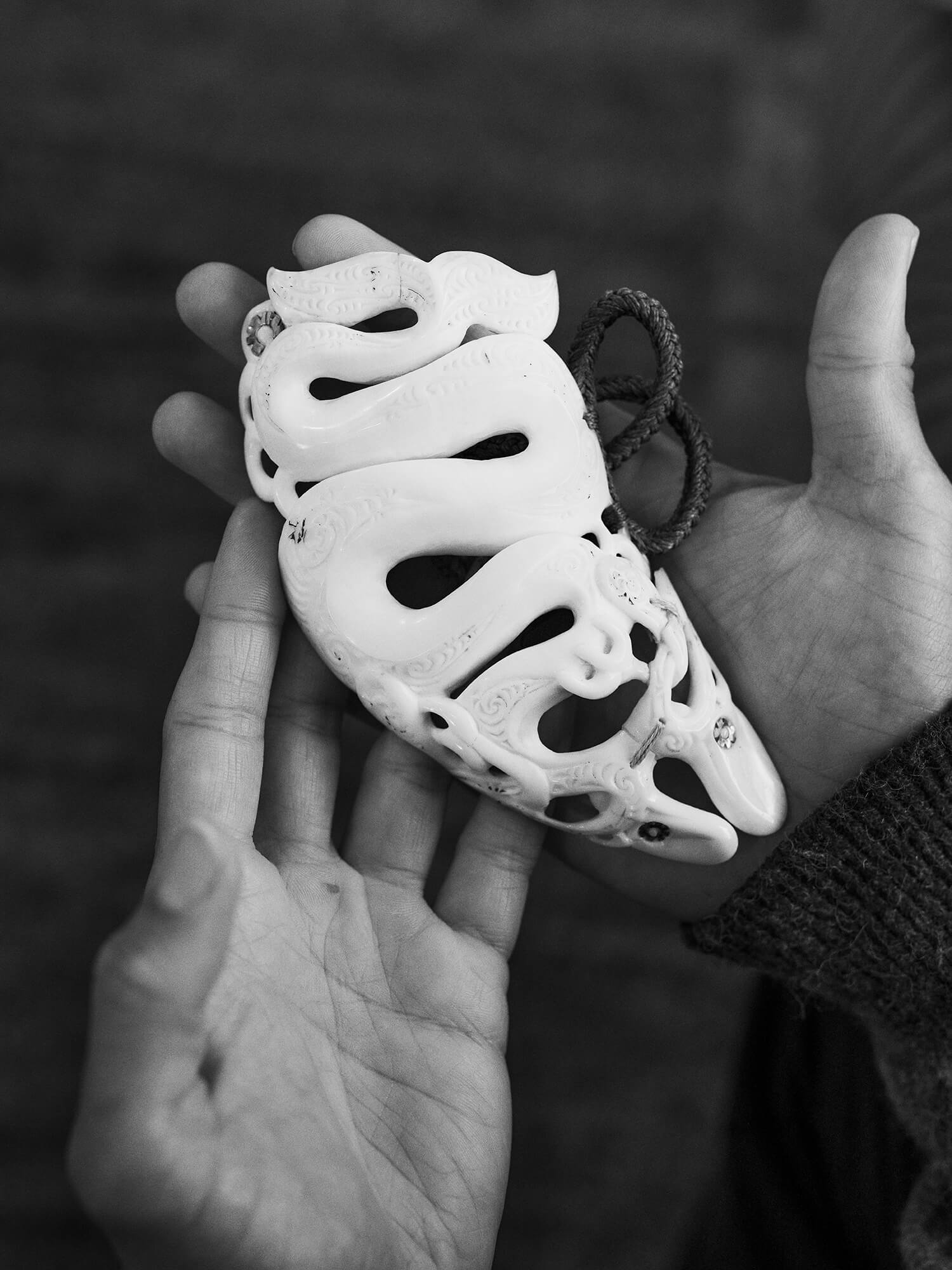
How do you prepare for the emotional, cultural, and personal pressure of that stage, and what moments stay with you most?
It is a huge sacrifice. Not being able to attend tāngihanga sometimes, missing family occasions. Every single kaihaka makes that same commitment, and it can be really hard. We always say to our kaihaka: tāngihanga first. If there are things you need to attend, that is the priority. Kapa haka will still be here.
But when you hit that stage, I'm one of those performers who loves it up there. I become a different person on stage. You get to be who the composition needs you to be. For me, it's a huge buzz. You train three, four months for that thirty minutes.
I never used to appreciate the process before, but I do now. Kapa haka touches so many parts of your wellbeing. Oranga tinana, you need to be fit to perform. Oranga wairua, karakia is a central part of our campaigns and practices. Before regionals, we woke up at five in the morning and went to the sea to do a pure. Those kinds of rituals reconnect us not just to what we're about to do, but to each other. The spiritual side of kapa haka is a big part of how we operate.
Whānau is everything for us. We always have our kids at practice. Even though it's chaotic, with tamariki riding bikes through the lines and babies being held while you perform. That's just part of our group, and it's how we want our kids to remember growing up in this kapa. They are as much a part of it as any kaihaka.
And now to see the second generation, my nephews among them starting to perform is a huge highlight. Some of them have memories of being dragged to kapa haka. My son didn't really like it at first. Now he's into it. Seeing our kids and our babies as part of this journey is one of the greatest highlights of all.
What did recognitions like Manukura Tāne mean to you personally?
I received Manukura Tāne at the Auckland Regionals, and it's a huge honour because you see all the people, your idols, whose names are on that same trophy. When we won at Matatini, to see all the groups you grew up idolising and to find your name alongside theirs, that's a real buzz.
For me, leadership is about exemplifying what you want to see, rather than just telling people what you want. Showing it, not just saying it. As long as my group felt that I led them with mana and that I gave my best, that means more to me than any trophy. When you're recognised by your peers, that's something. But what I really hope is that my group feels I served them as well as I possibly could.
What inspired the shift from performing kapa haka to documenting and telling the stories behind it through Haka Life?
My wife Kym and I have worked in broadcasting and media since we left school. We've been part of it for a long time. I was at TVNZ in the Māori department, and Kym was at Whakaata Māori. When I moved into a role as programme commissioner at Whakaata Māori, you see all these people doing amazing things and all you can do is live vicariously through other people's creativity. I'd always wanted to venture out and bring my own ideas to life. So when Kym moved to contract work, I made the jump too, which was really scary.
Our first funding proposal was Haka Life. We felt that the kind of behind-the-scenes stories you see for sports teams, the blood, sweat, tears, and sacrifice that goes into performing at a high level. Those stories existed in kapa haka, and nobody was telling them. We wanted to show what it means to live your Haka Life. For some people, that's tutoring kids during the day and performing themselves at night. It is a whole lifestyle, which is where the name came from.
It was quite secretive back then, and people wondered why we wanted to give our groups secrets away. The reality is everyone does pretty much the same things, just at different intensities. We felt that putting it on social media, out there where our people actually were, was the right move. Fast forward to now and nearly every kapa haka has their own Instagram page. We feel like Haka Life helped make that okay, showing people it's alright to share what you're going through, to show the cool side of kapa haka. The experiences are so relatable, across groups and across the motu.
What have you learned about the kapa haka world, and yourself, through telling other people's stories?
Kym and I have been so lucky to meet so many people we'd idolised and to be part of so many kaupapa. We had a series called Haka at Home, where we travelled around Aotearoa to document the stories of some of our top senior kapa haka. We love their songs, but to sit down with those tutors and performers, to spend real time with them, and to realise that the struggles they had at the beginning are the same struggles we had, the joys and triumphs are totally relatable from kapa to kapa.
There are also things that are really unique to each kapa, and having sat with those tutors and performers, we now have a deep appreciation for that. We didn't before. Our kapa haka is in the city, and you don't always see what others navigate. Visiting Te Whānau ā Apanui, for example all those uri getting to go back home, swim in their moana, sleep in their wharenui. Those stories are a huge part of kapa haka too. It's about taking people home. It's not just competition, it's reconnecting to where you come from, to your stories, to your tūpuna, and being proud of that.
Having the opportunity to contribute to kapa haka by telling those stories and archiving kōrero that will matter to their kids in fifty years' time. That's huge. We're really grateful to be in this space, and we hope we're adding value and making taonga for generations to come.
How has your understanding of being Māori evolved across your life and experiences?
There is a saying: Ko te wheako te kaiako o te tangata - experience is one of your most important teachers in life. Experiencing te ao Māori the way I have has helped me grow as a person. It's taught me that as Māori, you don't always think about yourself first. It's about the greater good of your people and those who haven't been born yet.
You're not just doing things for now. You're being part of movements for your grandchildren and their children. The grounding and experiences I've had have taught me that te ao Māori connects you to the past, to the present, and to the future, all at the same time.
It can be hard. My wife and I try to be at all the kaupapa we can, kanohi ki te kanohi, you have to be seen. Going to tāngihanga, supporting our kura and marae, being part of the things that matter. It's a huge part of our lives and our children's lives. I hope they carry that forward. I hope they remember being taken to all these hui and feel, yes, this is something my parents did, and I need to be part of these kaupapa too.
Te ao Māori can be draining. But it feeds your wairua and your mauri. Experience is one of the most important teachers, and I've been lucky to experience so many amazing things.
What do you wish people better understood about Māori identity and culture today?
For non-Māori, I really do believe that the values of te ao Māori are relevant to everyone. To look after each other. To look after the taiao. It doesn't belong to us, we belong to it. You are not at the top of the food chain. You are a kaitiaki. Having that mindset, that you are the guardian of things, not the owner. I think that's what te ao Māori offers the world. It's a beautiful place, and there is space for everyone.
What gives you hope when you look at the next generation of rangatahi and kapa haka leaders?
On a skill level alone, they can sing, they can do everything. The passion they have for te ao haka is incredible. I do hope they channel that passion into other parts of their lives too. But kapa haka is such an amazing vehicle for connection, for feeling part of something. For our kids, it's an energetic, creative space to express te reo Māori and tikanga Māori.
You don't have to be a fluent speaker to enjoy watching or performing it. It just makes you feel good. Our kids have the passion and I just hope it doesn't become all about competition. I do feel we start our kids a bit early. We have primary school nationals, and sometimes we expect children to perform like adults, and put that same pressure on them.
My hope for the next generation is that they put as much energy into non-competitive spaces in kapa haka as they do into competition because I think that's where the real joy comes from. Doing it just for the love of it, not for a trophy. That said, competition absolutely serves a purpose. It pushes boundaries, it shows you what's possible at your peak. It's an amazing space. Māori love competition whatever they do. But yeah, I think we are in an incredible place right now.