

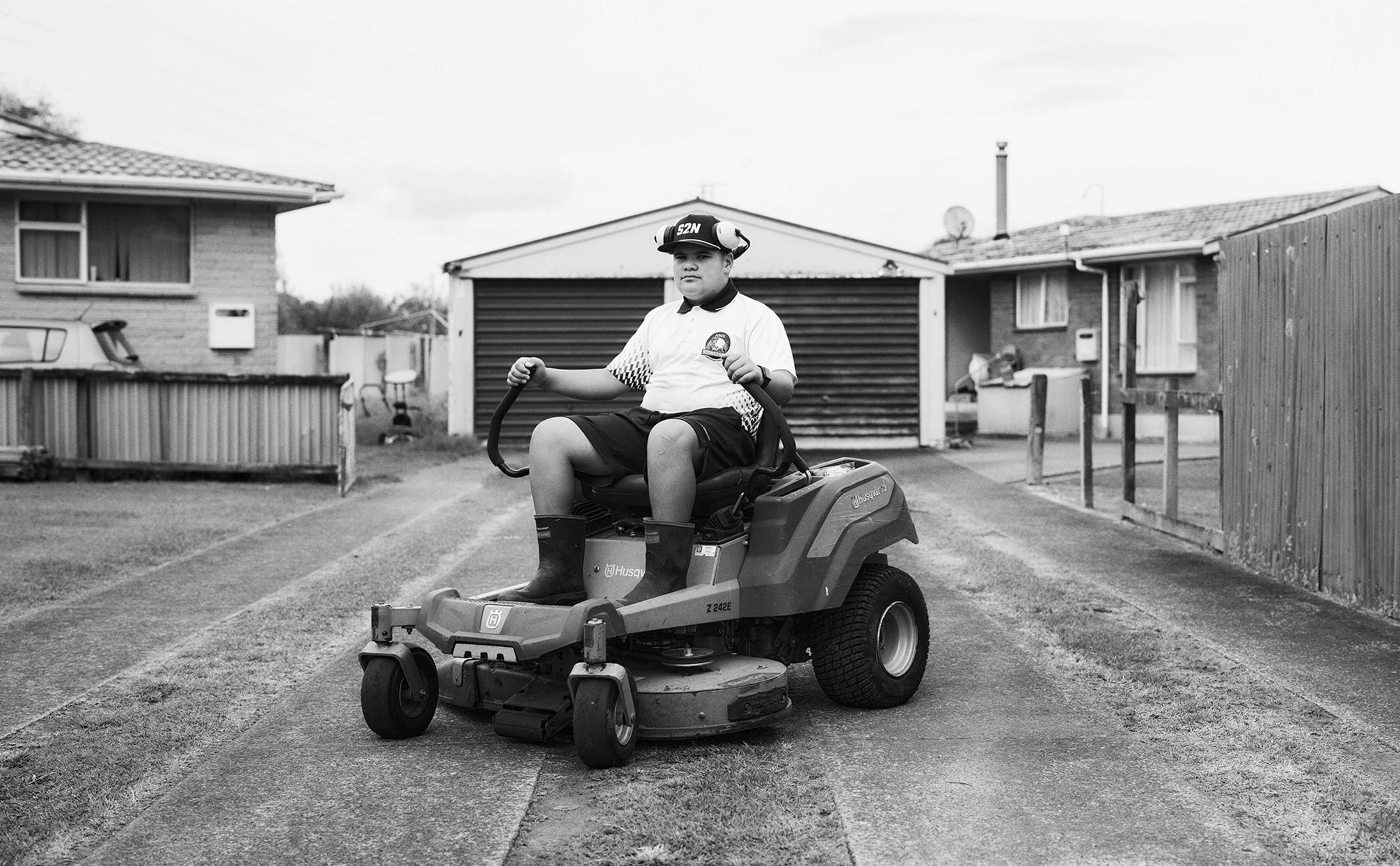
Harry Muru-Kete
The Long Run.
There is a tendency to underestimate young people.
Adults often assume that ambition arrives later, that responsibility comes with age, and that contribution is something people grow into over time. Yet every now and then someone comes along who challenges those assumptions simply by getting on with the job.
At first glance, Harry's story appears to be about lawns.
A young boy starts a mowing business, builds a following online, and gains attention for giving back to kaumātua in his community. It is an easy story to tell because it fits neatly within familiar ideas about entrepreneurship, hard work, and success.
But that is not really what sits underneath it.
What emerges throughout this conversation is a young person who has been raised with a clear understanding that being part of a community comes with responsibilities. The expectation is not that someone else will do the work. The expectation is that everyone contributes where they can. Whether that means helping at the marae, supporting kaumātua, turning up for whānau, or simply getting outside and putting in the effort, the principle remains the same.
The values that shape Harry's world are not abstract. They are visible in the places he spends his time. At home. At kura. At the marae. At rugby league. Surrounded by whānau, mentors, and community members who model what service looks like in practice, contribution becomes normal rather than exceptional.
That grounding is evident in the way he speaks about success. Recognition matters, but not as much as impact. The mowing business began as a way to earn some money, yet quickly became something larger. Free lawns for kaumātua. Opportunities for friends. Encouragement for other young people. A platform used not simply for attention, but for connection.
There is also a quiet challenge within his story.
At a time when much of modern life happens through screens, Harry consistently returns to the value of doing. Running. Walking. Mowing lawns. Playing sport. Spending time with people face-to-face. The message is remarkably simple: get involved. Move your body. Contribute something. Start somewhere.
Perhaps that is why this story resonates.
Not because it presents a young person as extraordinary, but because it reminds us what becomes possible when children are trusted with responsibility, surrounded by strong values, and encouraged to believe they can make a difference.
The work may begin with something as small as mowing a lawn.
But the lesson is much bigger than that.
A good life is built through participation.
By showing up.
By helping out.
And by making yourself useful.
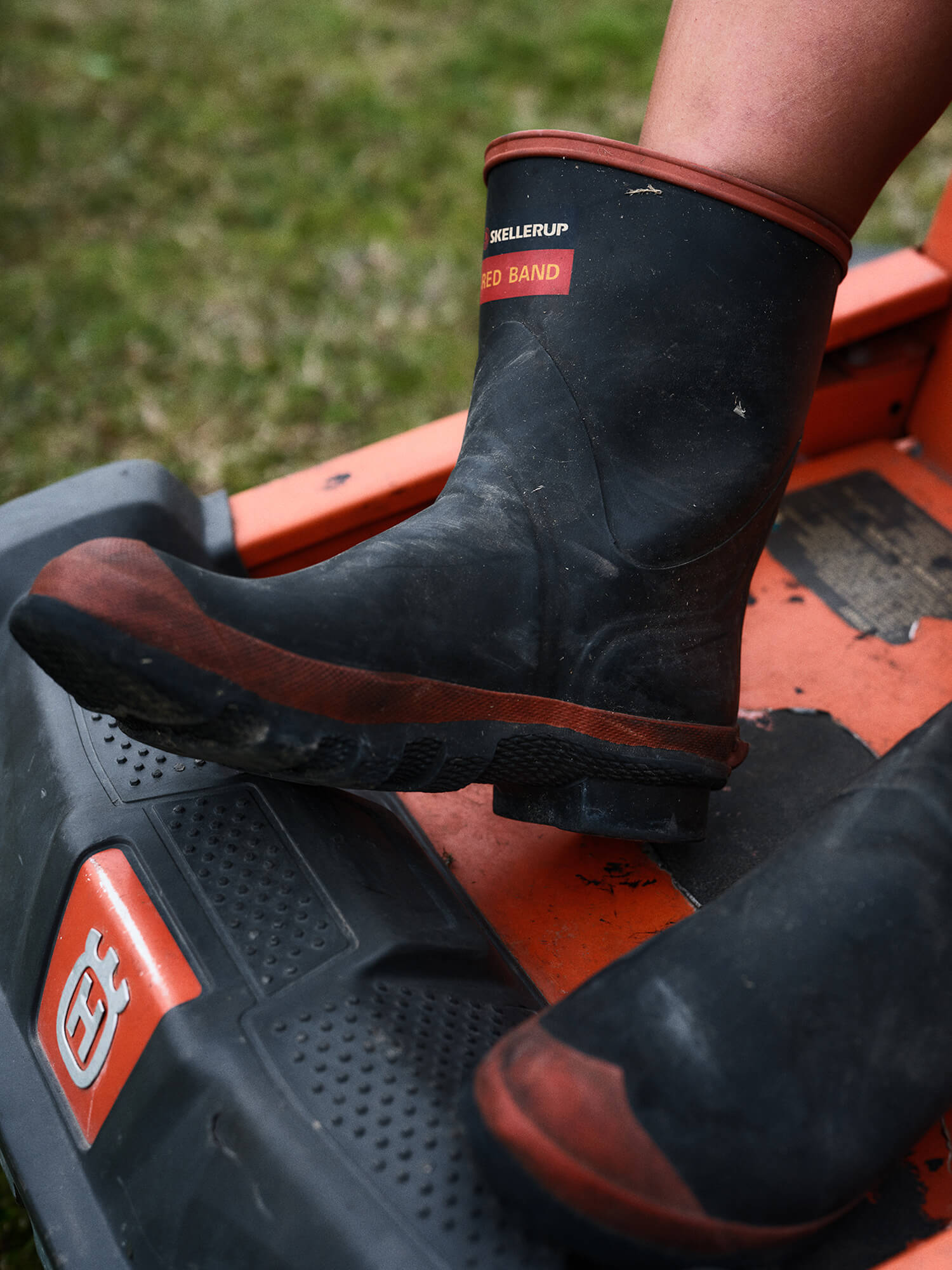
You seem happiest moving, running, mowing and being active. What does being out in the world physically doing things give you?
It makes me feel good when I am getting fit and getting active.
When you're running, what's usually going through your head?
Just get it done. I've got big dreams to make the NRL. I watch league and watch my idols like James Fisher-Harris, and I do my What It Takes interview series online. When I'm going for runs and the early morning hikoi, all of this is about the journey of going to a higher level. I want to encourage all my followers to get fit.
A lot of people your age spend most of their time online. Why do you think movement and being active matters so much to you?
Because you get nothing from gaming. You just play with a controller. If you just get outside and touch the grass, that's the main thing.
Do you think hauora is something young people should learn more about early?
My dad teaches me that my health is my wealth. If you are not fit then you can't go to mahi and stuff like that. That's for adults as well, who tend to kick back on the couch and watch the years go by.
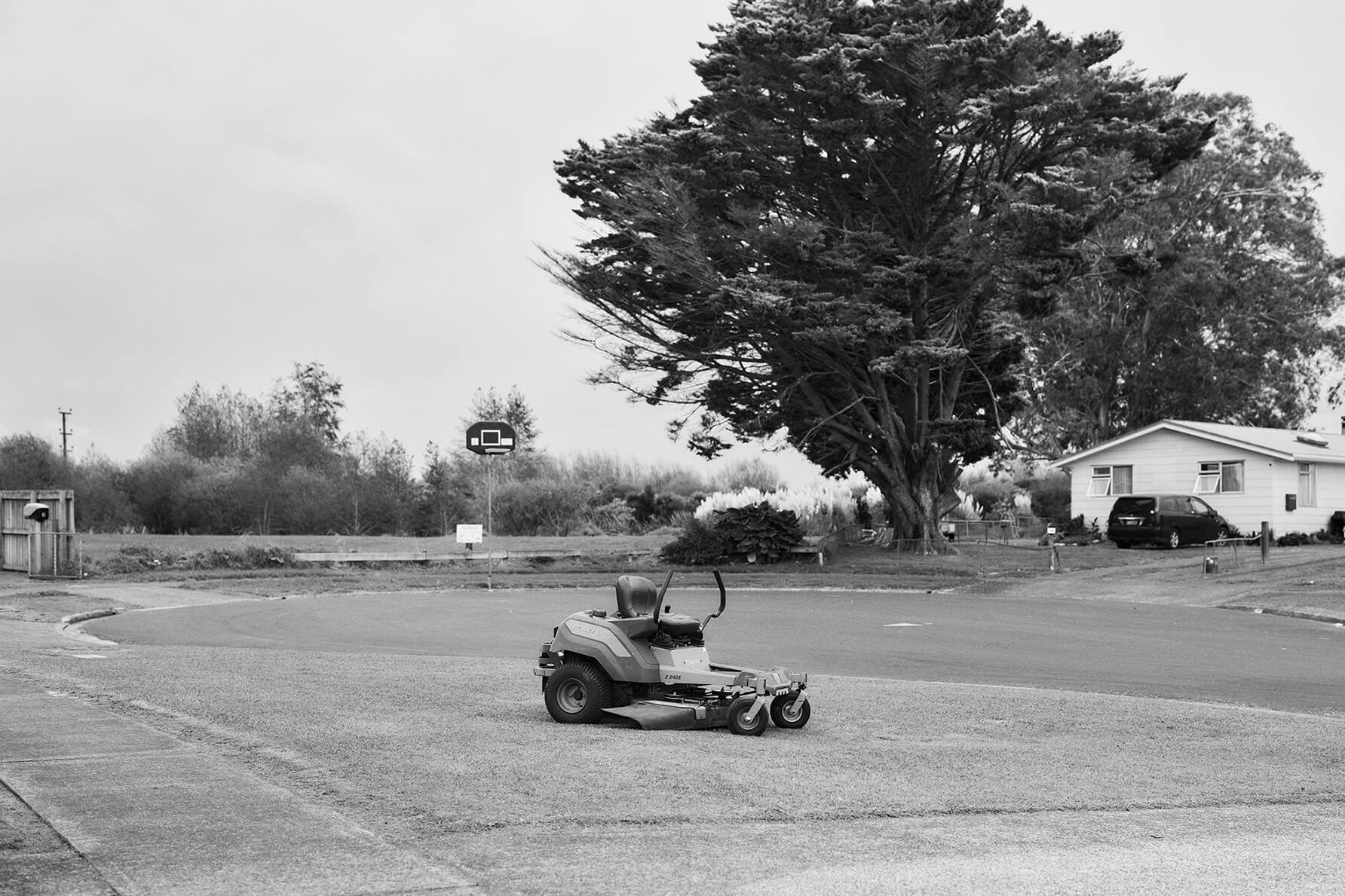
We go for a hikoi or a run most mornings. It's important to teach kids while they're young. When it comes to mahi, that's what my dad did with me and my brother. He took us along with him when he was doing lawns and he used to put me on the lawnmower, and then I started doing it for myself.
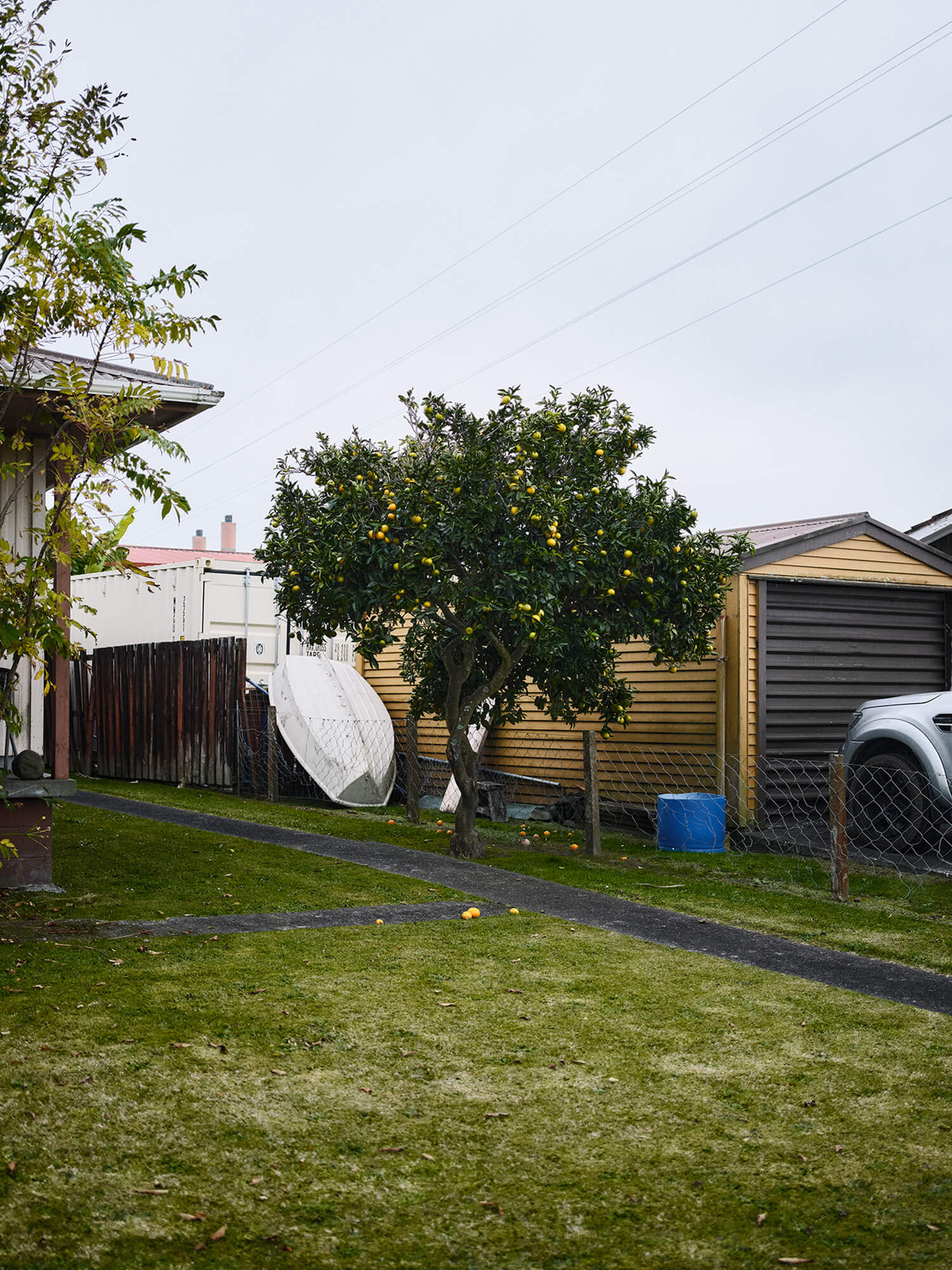
It comes down to parents making sure they guide their children to where they want them to be. We have a rugby post and a basketball hoop on our lawn and at the end of our street, so we are always outside with all the kids playing. I even have a PS5 but I hardly play on it. I might have a little tutu when I'm at my friends' houses, but now I would rather ride on the mower than play online games.
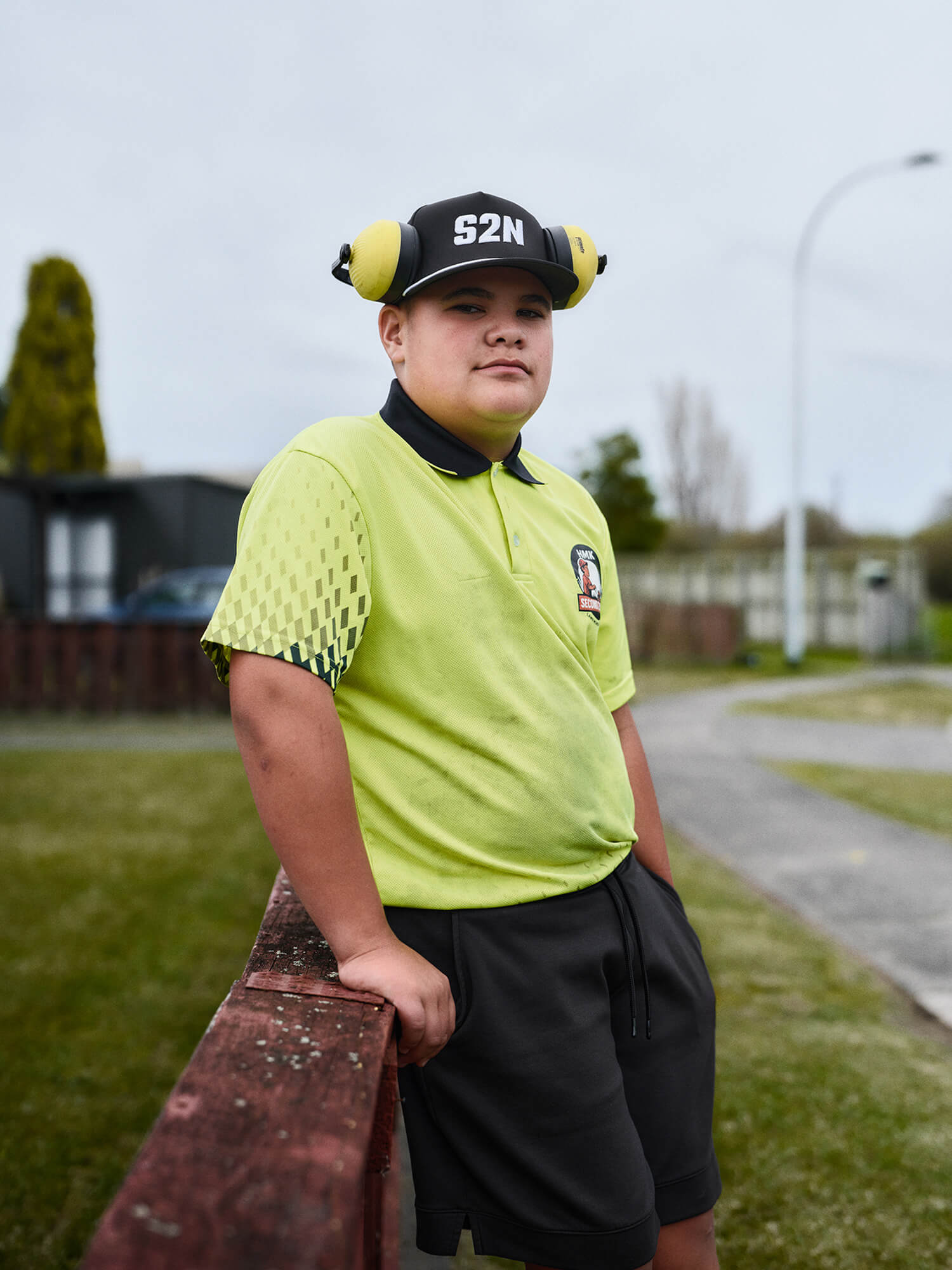
Who around you has taught you the most about discipline and looking after yourself properly?
My dad Epiha Kete and my mum Paea Muru.
Were you always the kind of kid that liked keeping busy?
Yeah, me and my older brother. He started off with my Koro, Rick Muru who was the Chairman of Waahi Pa so we would spend most of our afternoons down at the marae on his tractor. We were always outdoor kids.
What do you enjoy about mowing lawns that other people probably wouldn't understand?
Probably just seeing people's lawns go from long to short.
When you're halfway through a lawn and it's hot and hard work, what keeps you going?
Powerade. Leeshgo.
What did your older brother teach you beyond just how to mow properly?
So I was 5 years old and my older brother had a contract to mow lawns in Takanini and Papakura, so I just went up to help him. I told my dad I wanted to start my own business because my older brother was quite involved with the Kiingitanga and was going around on poukai, so he wasn't always able to finish the lawns. My dad got some of his friends together and I tagged along with him.
It started like that. I could see the reward and getting paid. So even though I started with my older brother, I wanted to do my own thing. It all started from there, and then my dad asked me why would people want me to mow their lawns and what is my point of difference? He thought about starting off with a giveaway once a week to attract customers. And then we came up with the free kaumātua lawns from there, and it just blew right up. It went so big I made it on the news.
Your dad talks a lot about work ethic. What does "hard work" mean to you at your age?
It means a lot, and for me it's all about giving back to our kaumātua.
What feels special about being raised around te ao Māori from such a young age?
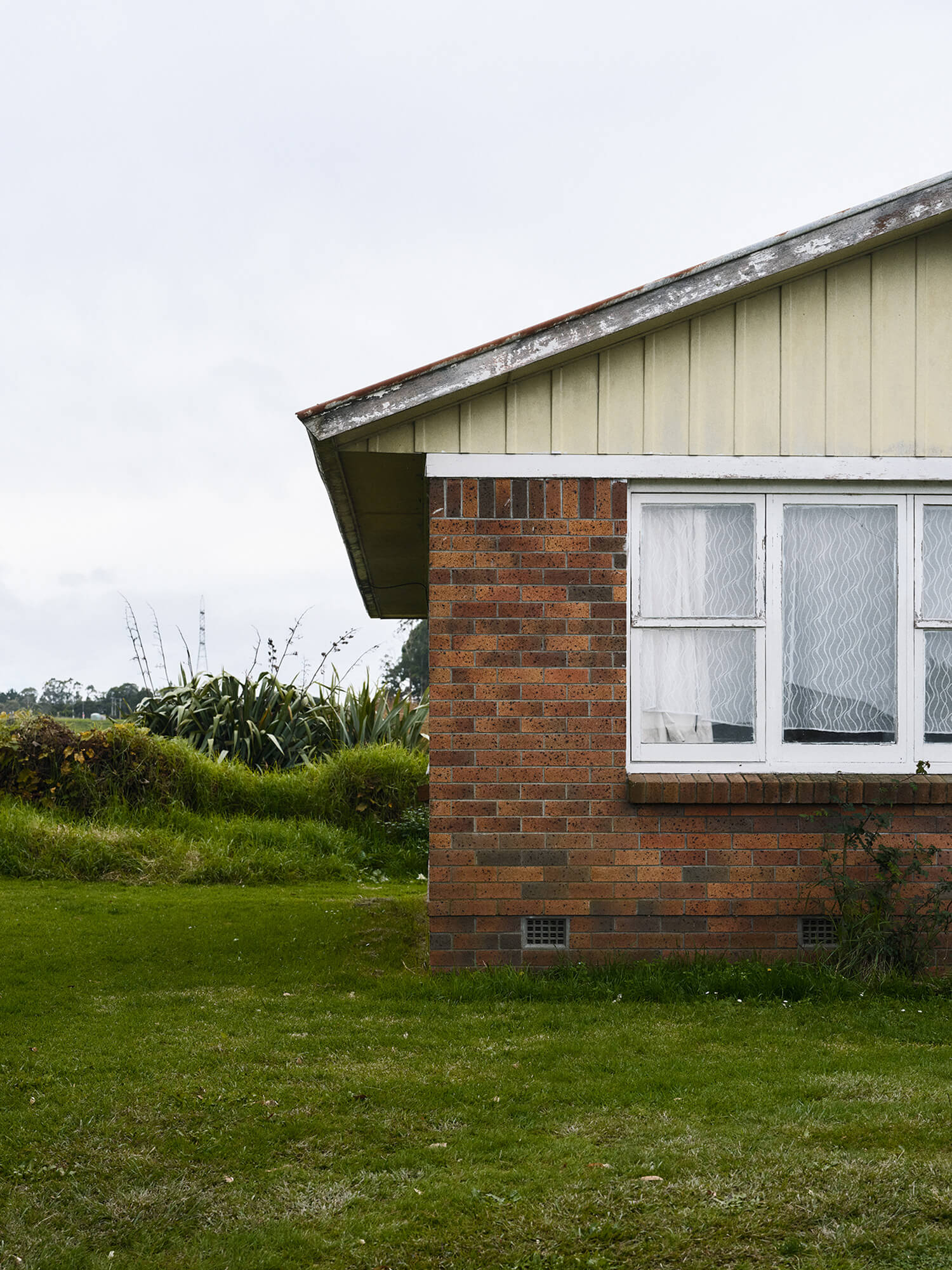
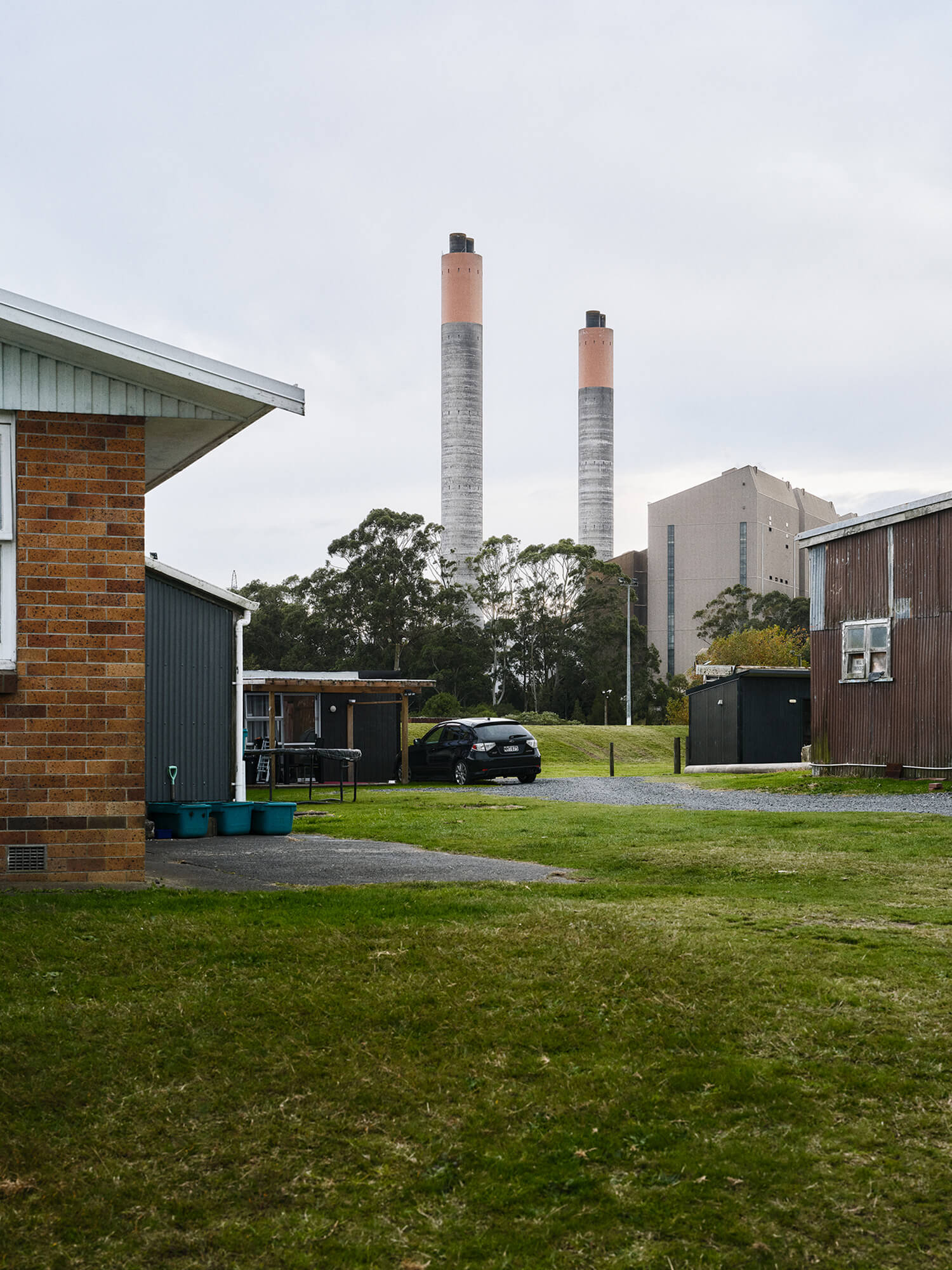
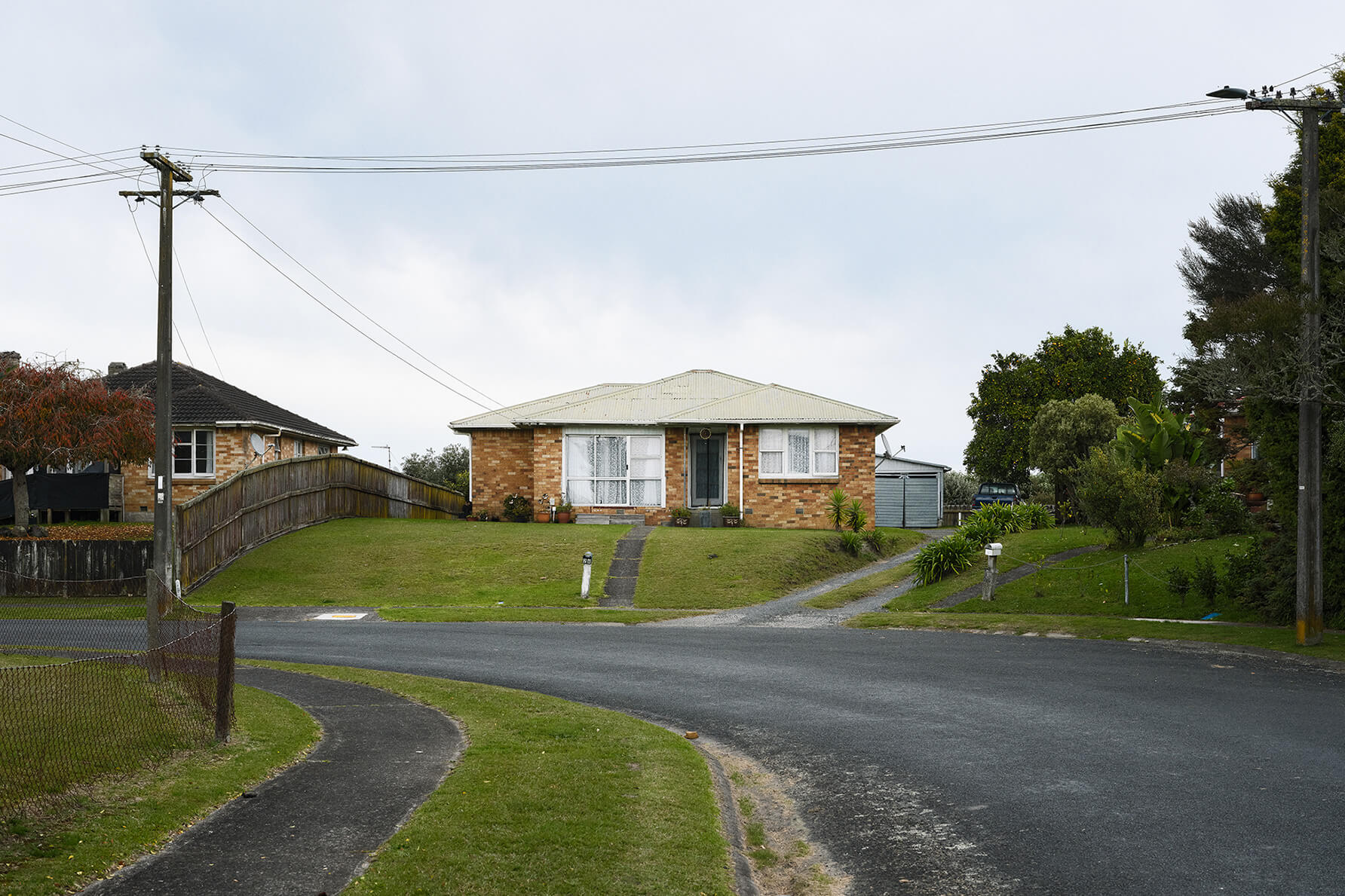
For my whānau, they call it the golden triangle here in Rāhui Pōkeka. My kura, Te Wharekura o Rakaumanga, is connected to our marae, and our marae is connected to our Taniwharau rugby league club. That is where our whakapono comes from. We have been raised in a community with good values. That is the triangle. We've pretty much grown up in the block, and just around the corner are my grandparents' house. Our whole block is pretty much covered with a lot of our whānau.
You spend time at the marae as well. What are some things the marae teaches you that school can't?
Around here, everyone is whānau. I bring all my mates over and we all have a kai around the table and everyone feeds everyone. It's safe and everyone treats each other's kids as their own.
You mow lawns for kaumātua for free. Why was that important to you?
I like giving back to our kaumātua because they have done a lot for me. I know a lot of Pākehā companies were ripping them off, and my mum and dad were talking about making them aware of how much they were being charged. One of the kaumātua was getting charged $80 for a 30-minute job. So we thought about how we could help them out and just go over and mow their lawns for free.
Sometimes when I go around, some of the nanas try to give me money and sneak it to me, but I always say, nah, it's all right. A few houses we go to, they ask how much, and we tell them, no, this is our kaupapa. But they still try to fight us to take their money.
How do your friends feel about your mowing business?
I've got one friend who was helping me. He had no energy and it took him about 10 minutes just to dump the catcher. Compared to me, I was immune to mowing lawns from when I was little. We used to take a few of my mates out and give them a bit of pocket money.
What feels special about being raised around te ao Māori from such a young age?
For my whānau, they call it the golden triangle here in Rāhui Pōkeka. My kura, Te Wharekura o Rakaumanga, is connected to our marae, and our marae is connected to our Taniwharau rugby league club. That is where our whakapono comes from. We have been raised in a community with good values. That is the triangle. We've pretty much grown up in the block, and just around the corner are my grandparents' house. Our whole block is pretty much covered with a lot of our whānau.
You spend time at the marae as well. What are some things the marae teaches you that school can't?
Around here, everyone is whānau. I bring all my mates over and we all have a kai around the table and everyone feeds everyone. It's safe and everyone treats each other's kids as their own.
You mow lawns for kaumātua for free. Why was that important to you?
I like giving back to our kaumātua because they have done a lot for me. I know a lot of Pākehā companies were ripping them off, and my mum and dad were talking about making them aware of how much they were being charged. One of the kaumātua was getting charged $80 for a 30-minute job. So we thought about how we could help them out and just go over and mow their lawns for free.
Sometimes when I go around, some of the nanas try to give me money and sneak it to me, but I always say, nah, it's all right. A few houses we go to, they ask how much, and we tell them, no, this is our kaupapa. But they still try to fight us to take their money.
How do your friends feel about your mowing business?
I've got one friend who was helping me. He had no energy and it took him about 10 minutes just to dump the catcher. Compared to me, I was immune to mowing lawns from when I was little. We used to take a few of my mates out and give them a bit of pocket money.