

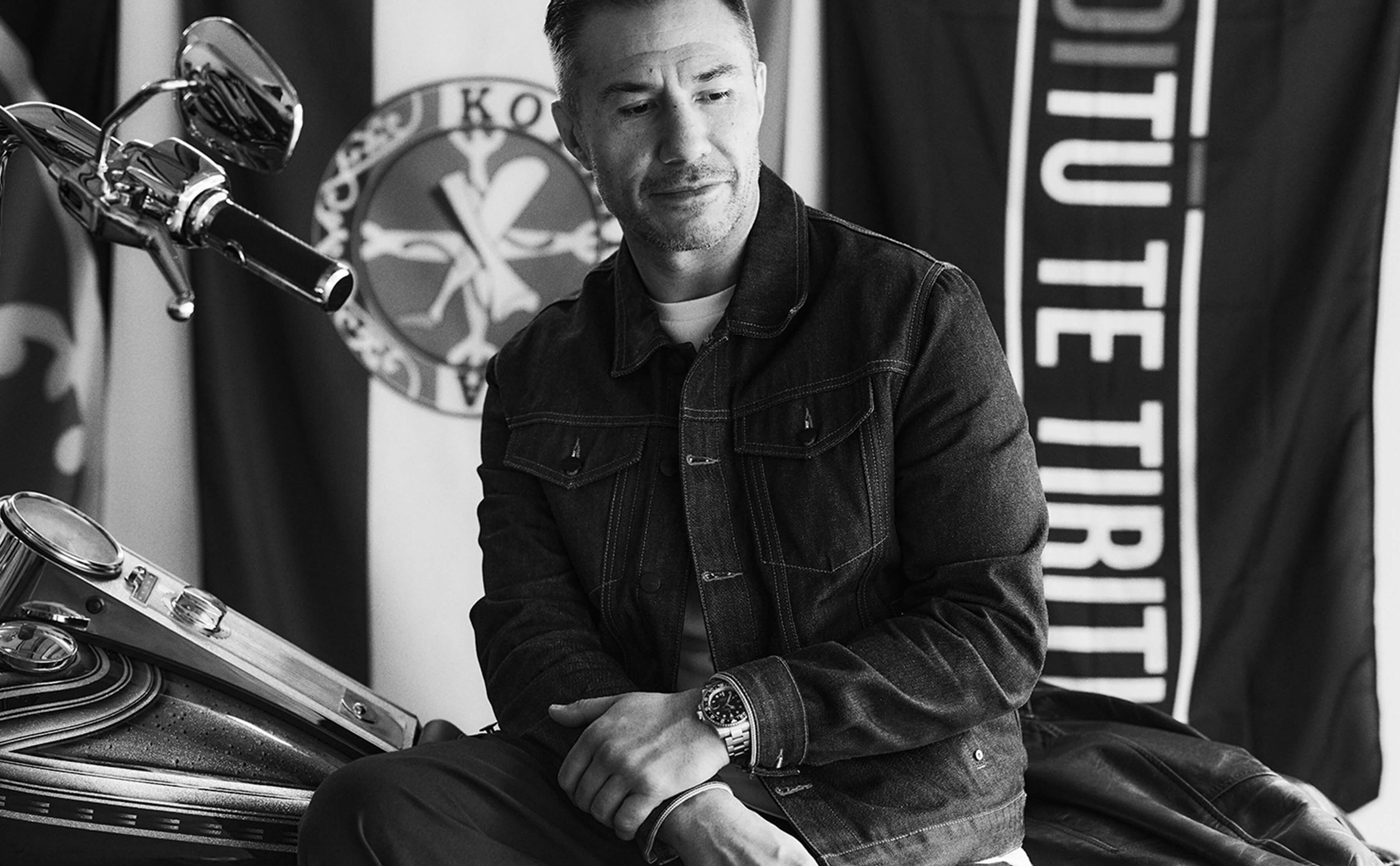
Daniel Tupara
Worn in
Daniel Tupara didn't learn fashion. He absorbed it. Sweeping floors at Rātana Pā, packing boxes, watching the way things moved before he had words for any of it. That's where the education began. Not in classrooms or boardrooms, but in the quiet observation of someone who understood, even then, that everything carries meaning if you pay close enough attention.
A kuia raised him. Uncles on horses, on bikes, out on the whenua, living life as it was then. Whānau photos that held stories nobody narrated but everybody felt. And the Rātana Brass Band blazers. Pressed. Proud. Worn with the kind of intention that had nothing to do with trend and everything to do with identity. That image never left him. You can feel it in everything he makes.
Denim and leather. Cars and music. A way of seeing the world that didn't come from ambition, but from place. From people. From the particular weight of knowing where you come from and choosing to carry it forward rather than leave it behind.
He was paid in product before he was paid in money. Rugby jerseys and skate brands and wrestling tees, things that were just everyday then, rare now. But even before he understood value in any formal sense, he understood that clothing was never just something you wore. It said something. It always does.
At 19 he opened a store. Before that, markets at 5am, products in the boot, pop-ups from home. Self-funded, self-taught, moving on instinct and the belief that if you show up, hold yourself to a standard, and trust what you're building, things start to open. Closed doors came often. He kept going anyway.
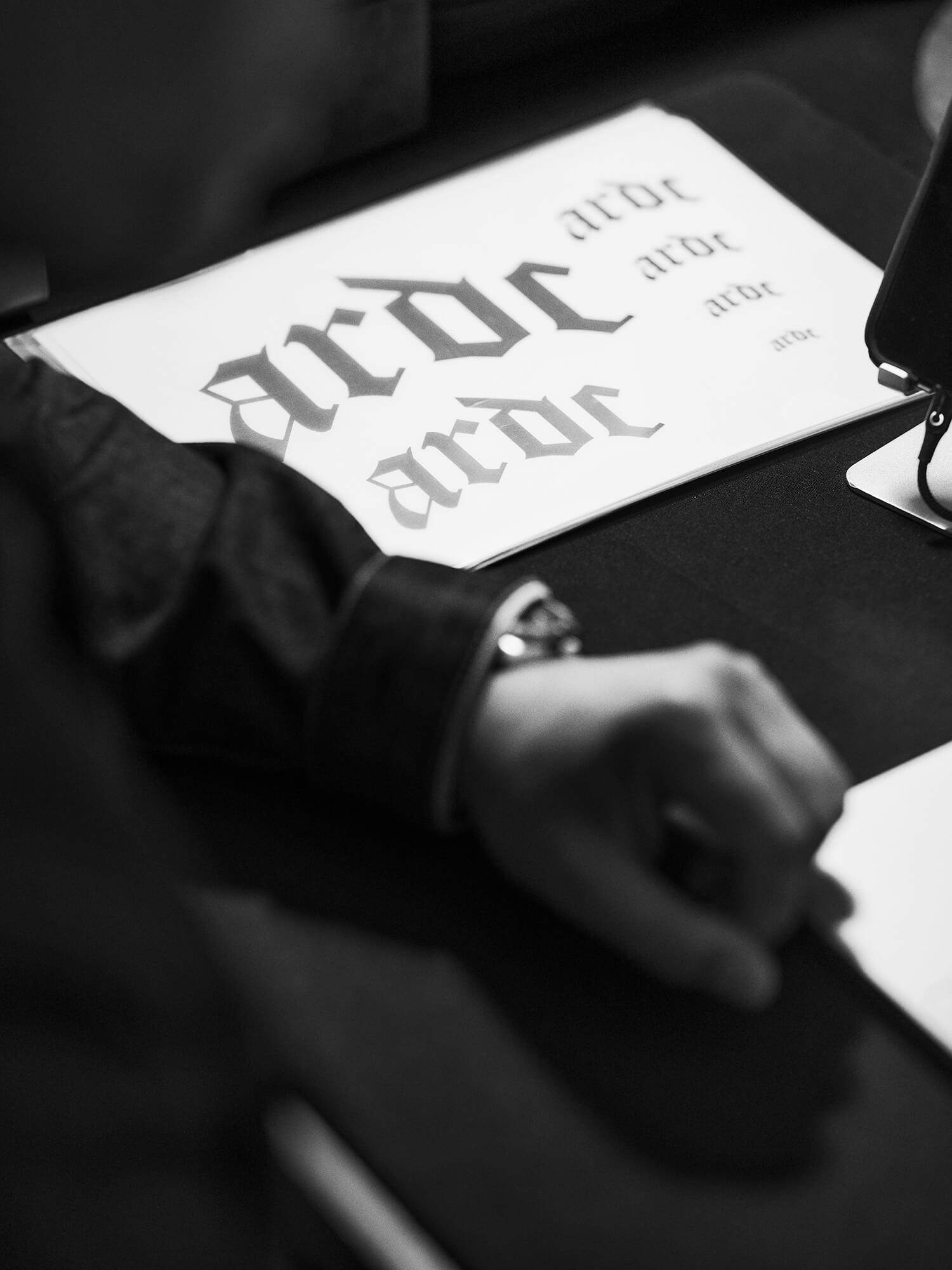
ARDC was never just a brand. It was a way of being made visible. Product of Culture not as a tagline, but as a truth. As Māori, that understanding was never something he had to find. It was already there, woven into his whakapapa, waiting to be expressed. What shifted over time was his relationship to it. From questioning, to knowing, to responsibility.
Now the work moves through global spaces. It carries the names of people he loves stitched quietly into every piece. It holds details most people will never notice, until they do, and then they reach out to say so. Not everything needs to be loud. Not everything needs to be given at once.
What follows is a conversation with someone who has always known who he is. That kind of clarity doesn't come from the industry. It comes from somewhere much older than that.
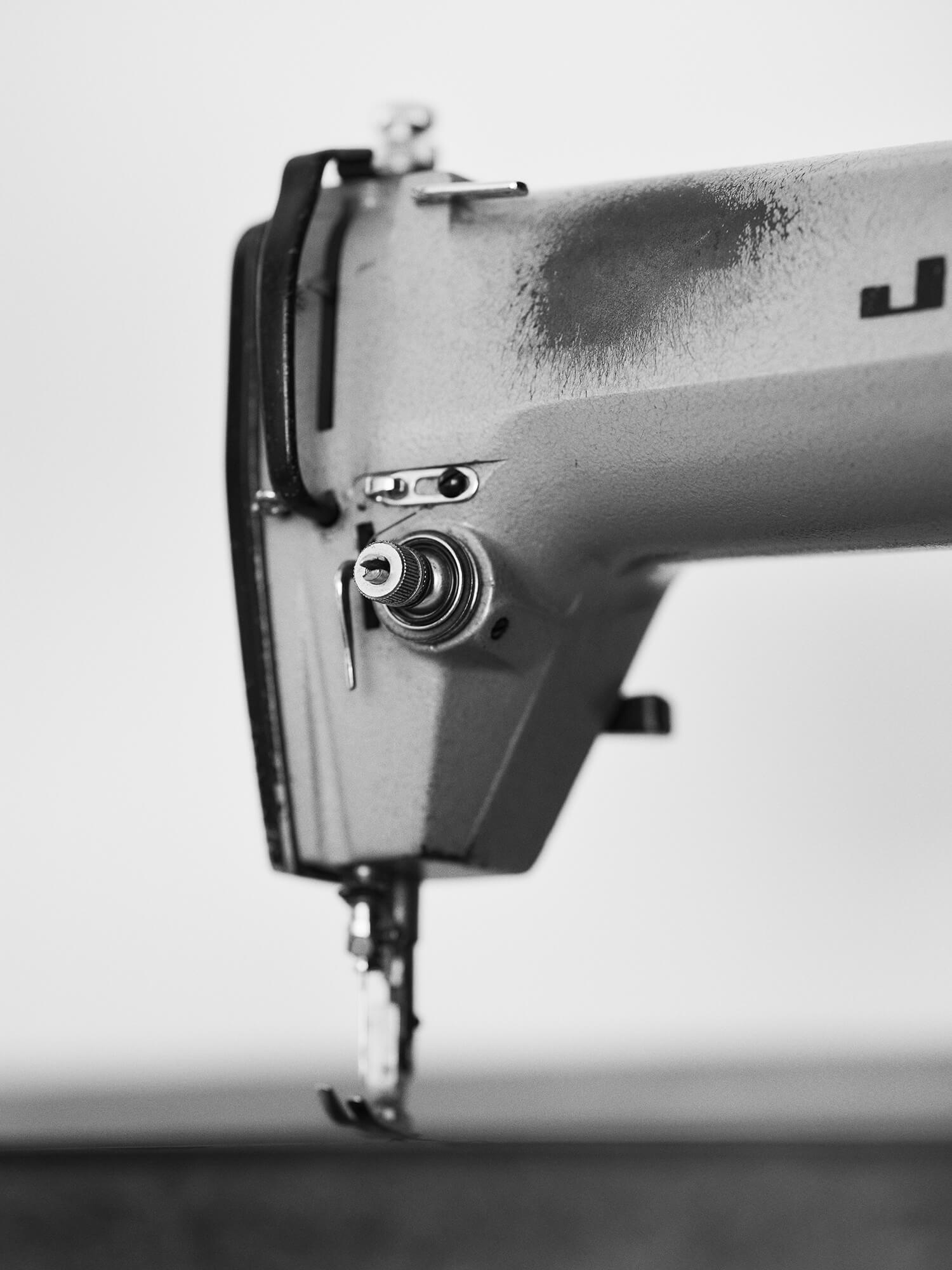
Growing up around the fashion world, sweeping floors and packing boxes, what stayed with you from that time?
Being around those environments from a young age, especially with whānau, you pick things up without even realising it at the time. Work ethic was a big one. Just understanding that if you show up, put the effort in, and hold yourself to a certain standard, things start to open up.
No one really sat me down and explained that - it was just how things were. You watched, you learned, and you carried those learnings with you.
Being paid in product rather than money, how did that shape the way you came to value clothing?
We didn’t have the luxury of choosing what we wore growing up at Rātana Pā. So being able to take clothing as part of your pay back then - that felt like something worthwhile.
At the time it was mainly Rugby and League jerseys, skate brands, US sportswear, wrestling tees - whatever was around in that era. But looking back now, those pieces hold a different kind of weight. Things that were just everyday back then are now considered rare, or “vintage.”
It made me see clothing as more than just something you wear. There’s value in it, but not always in the way people think.
Starting your own store while still studying, what were you testing at that point?
Honestly, it was belief more than anything. And resilience.
I didn’t really have a roadmap or support system - it just felt like if I was going to do it, I had to jump in and figure it out as I went. Opening a streetwear store at 19 was just the next step.
Before that, it was markets at 5AM, driving around with products in the boot, approaching stores, setting up little pop-ups from home. Just doing whatever it took to keep things moving.
Looking back, that was probably the most real business education I could’ve had. You learn quickly when it’s all on you - relationships, negotiation, backing yourself. There’s no shortcut for that.
Choosing to self-fund, what did that demand of you that people might not see?
It asked a lot, to be honest.
There were periods of working full-time, while studying, and building things on the side - long days, late nights, just pushing to keep the momentum going. You take on whatever work you can to fund what you’re trying to build, even if it means putting your own timeline second.
At the time, I always saw it as an investment. Not something I was losing, but something I was putting towards what I knew I was building. But you do have to learn balance. You can’t run like that forever.
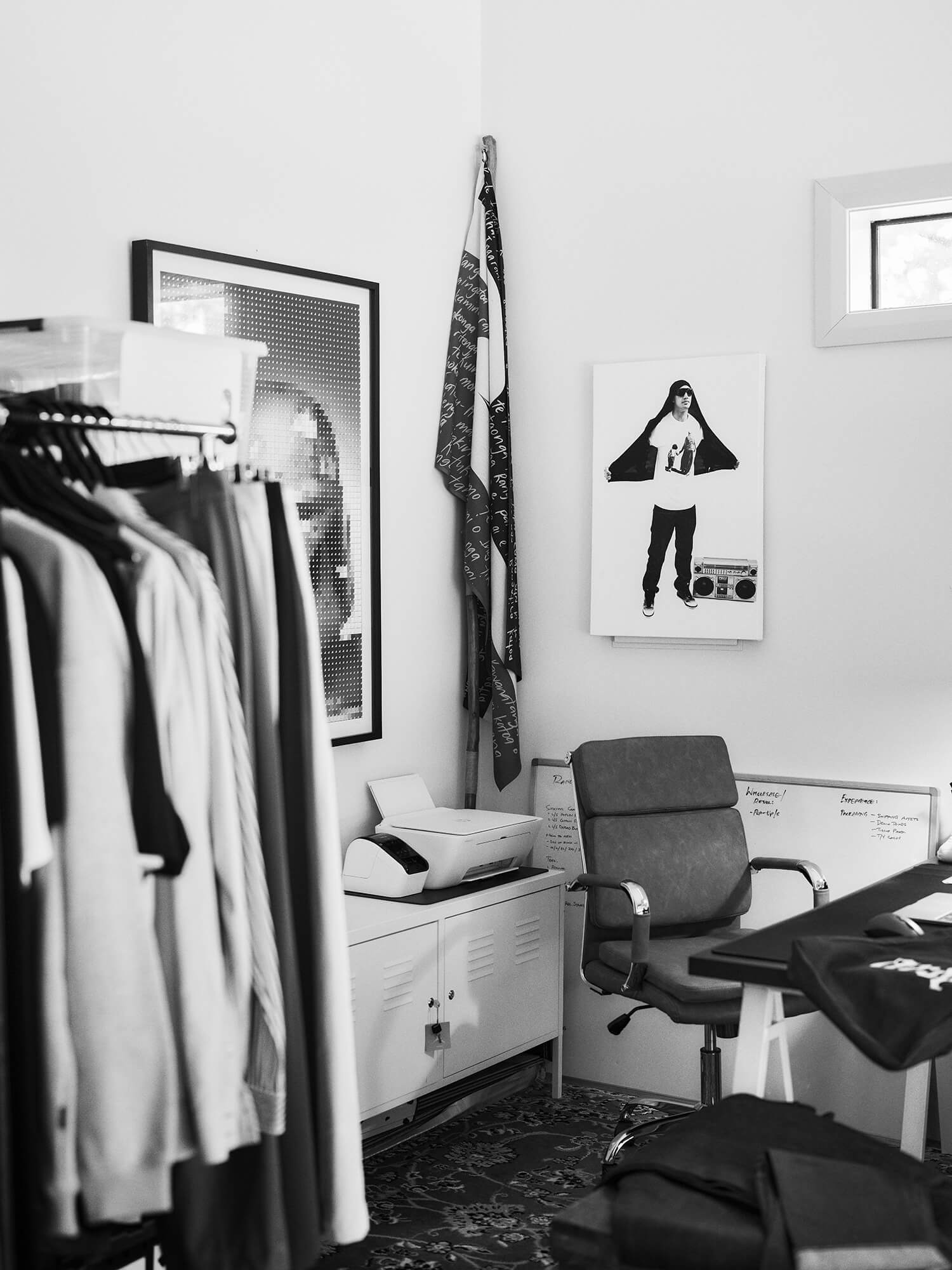
At any point, did that independence begin to feel like pressure rather than freedom?
There are moments where you start questioning things - your why, your direction, how much you’re giving versus what you’re getting back.
But I think that pressure is part of it. It sharpens things. It makes the small wins feel a lot more meaningful.
You realise pretty quickly that independence and freedom don’t come without weight. There’s always something you’re carrying.
ARDC is described as a ‘Product of Culture’. Early on, what did culture mean to you before it became part of the brand?
Having been born at Rātana Pā, raised by my Kuia - Rangimarie Tupara, and surrounded by Te Iwi Mōrehu was a privilege I’d grown to understand and appreciate even more so in later life.
As Māori, our unique perspective and understanding of the world is inherently woven into the fabric and whakapapa of our DNA. You don’t recognise it as “culture” - you feel it. It is our way of being.
As I’ve matured and become travelled, my understanding of how unique and privileged my upbringing was, and how truly special Te Ao Māori is.
My perspective has shifted from questioning, to knowing, and now into responsibility - to ensure we share our culture with the world as a taonga woven into every piece of clothing I create.
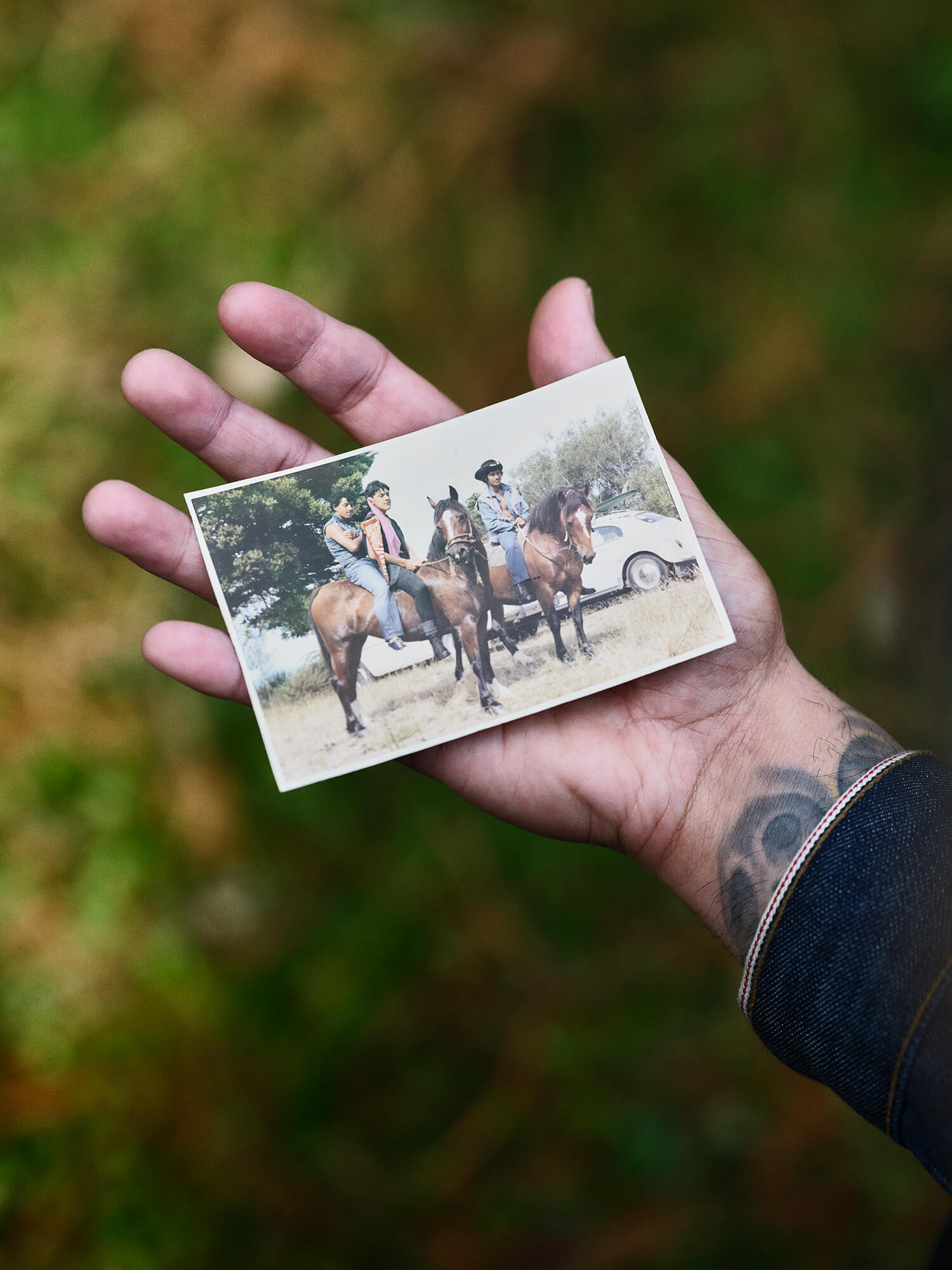
When you reference old whānau photos, what are you looking for in those moments?
It’s the realness.
The way people would hold themselves, what they wore, what was happening around them - nothing was staged. That’s where a lot of inspiration draws from.
Those photos hold things we don’t always talk about, but you can feel it. I’m just finding ways to carry that forward into what I make.
Is there a particular person or image that continues to guide your work?
There are a few images I keep close.
My uncles - riding horses, working on cars, on bikes, playing the gat, being out on the whenua just living life as it was then. Those moments shaped what I’m drawn to now - denim and leather, cars and motorbikes, music - it all traces back.
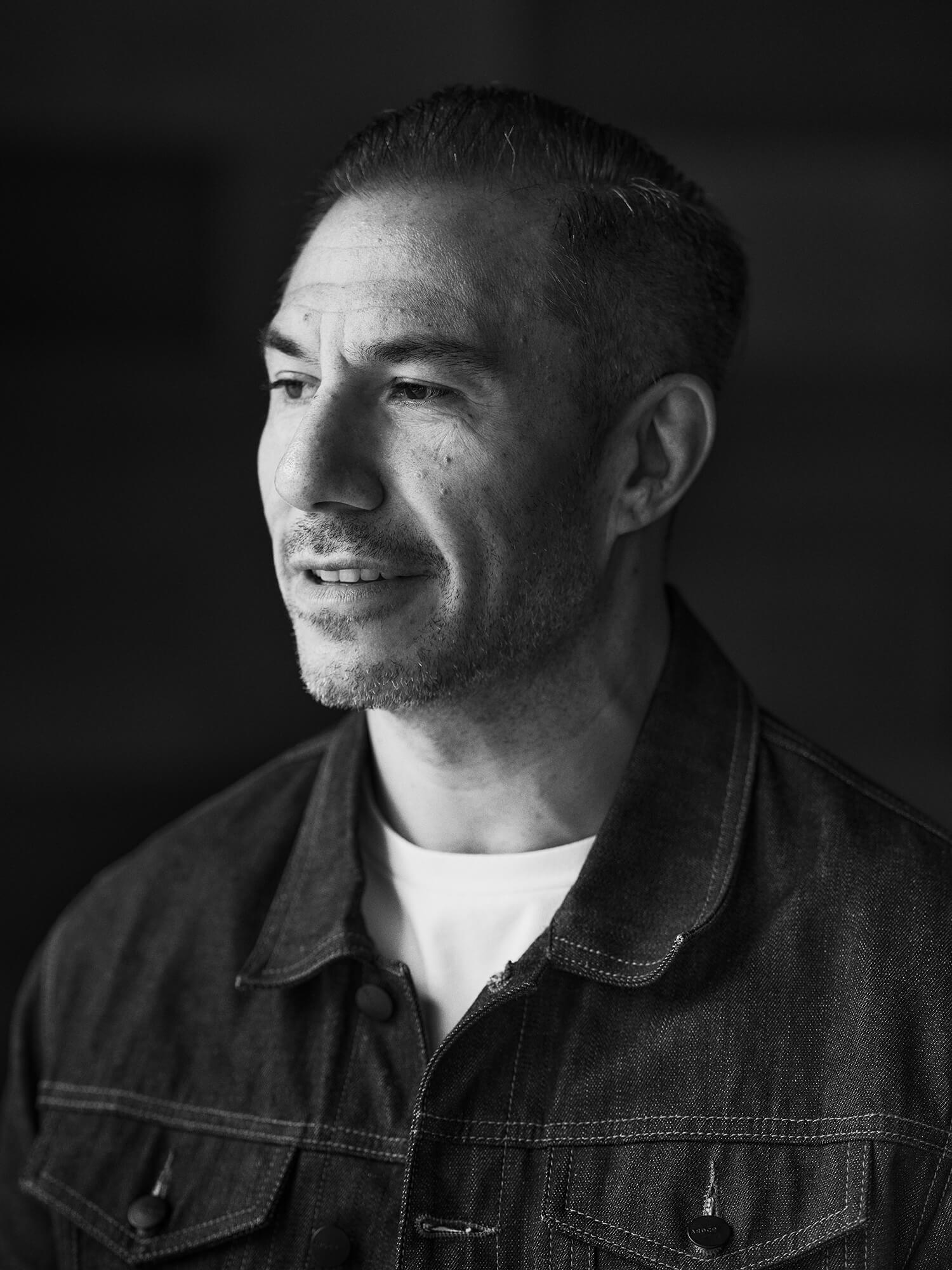
Naming pieces after whānau carries a certain weight. How does that sit with you once those garments move out into the world?
It’s a way of keeping them with me.
For most people, it’s just a product name. But for me, every piece carries a memory, a story, a connection to someone who’s been part of my journey.
Knowing people are wearing my product out in the world brings me a level of fulfillment in honoring people I love.
As your work reaches beyond Aotearoa, how do you decide what remains held, and what is shared?
I’ve been encouraged to share more about the details of different pieces and the creative aspect of the design process.
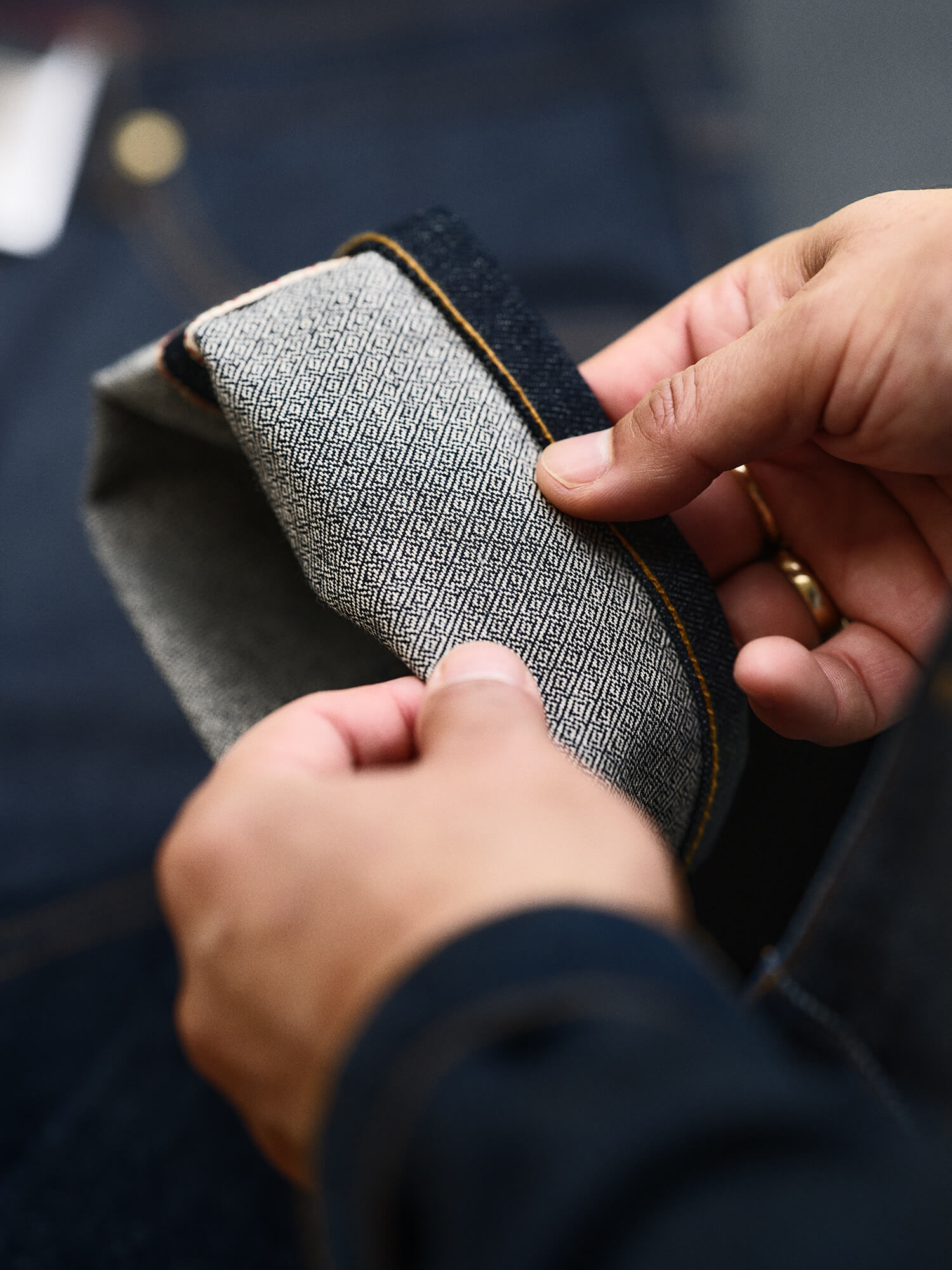
Some things will always be held close. That’s important. Other stories will come out when the time feels right. For some, that’s in the details not always obvious, moments of discovery that shape a wearer's personal journey and relationship with the item.
I often get messages from people where they’ve found a small design detail and have wanted to acknowledge their appreciation for the subtleties. People take joy from these considerations and small detailed nuisances, which in turn lets me know I’m doing things right.
Not everything needs to be loud, and not everything needs to be given at once.
Working across industries and with global brands, when did you start to feel that your perspective from Aotearoa held its own?
Early on, to be honest.
I’ve always believed that if you can make something work here, it can work anywhere. We have always had a strong industry standard when it comes to quality and detail - that comes from our history in making things properly, being artisans. And we have a rich culture of exploring and pushing the creativity boundaries, often becoming leaders in our respective disciplines and arts recognised globally.
Being exposed to that early - even just listening and observing - shaped how I see design. So when I stepped into global spaces, it didn’t feel like I had to adjust. It just felt like an extension and an opportunity to share, and lead.