

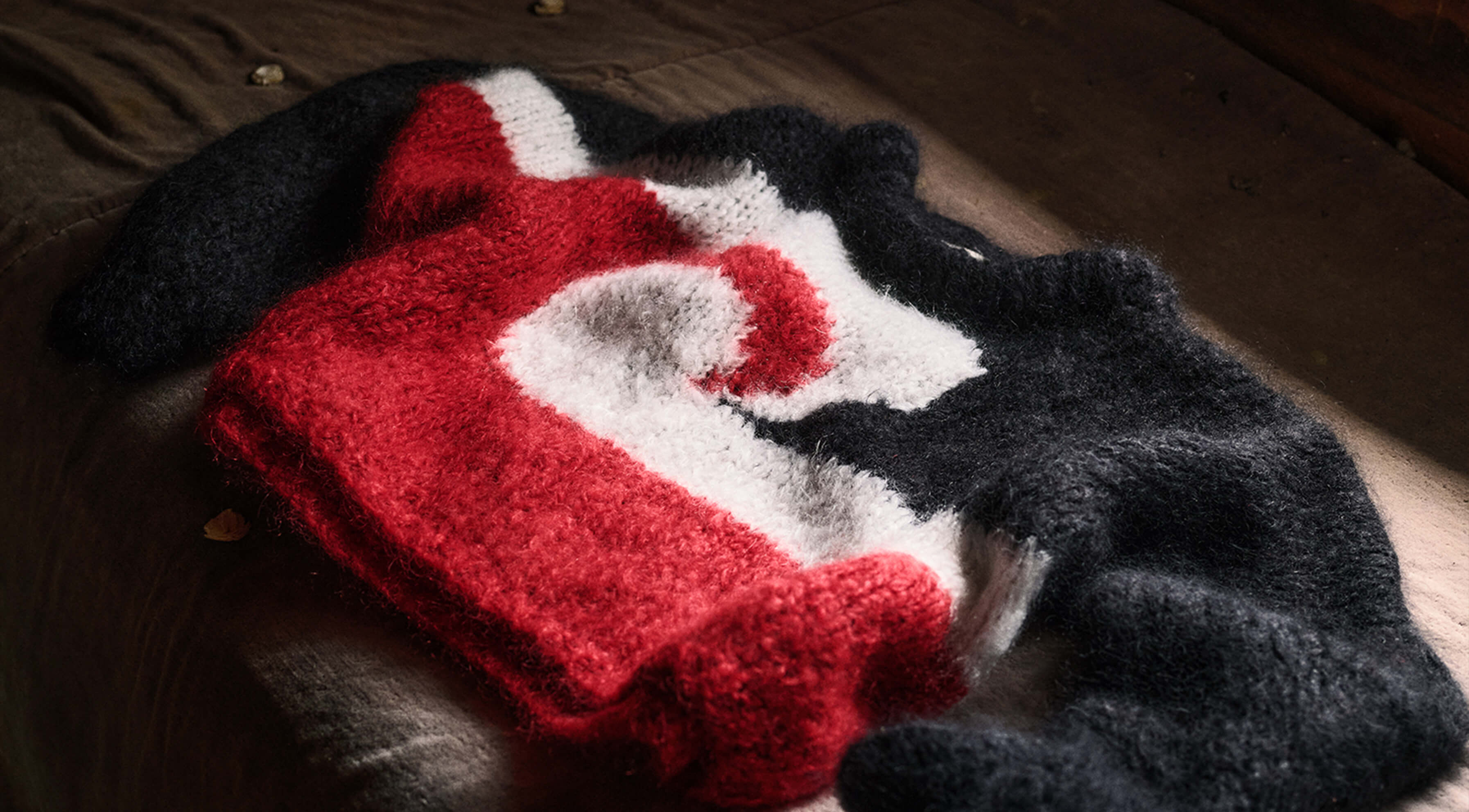
Crochet Bae
Resistance, rendered in yarn.
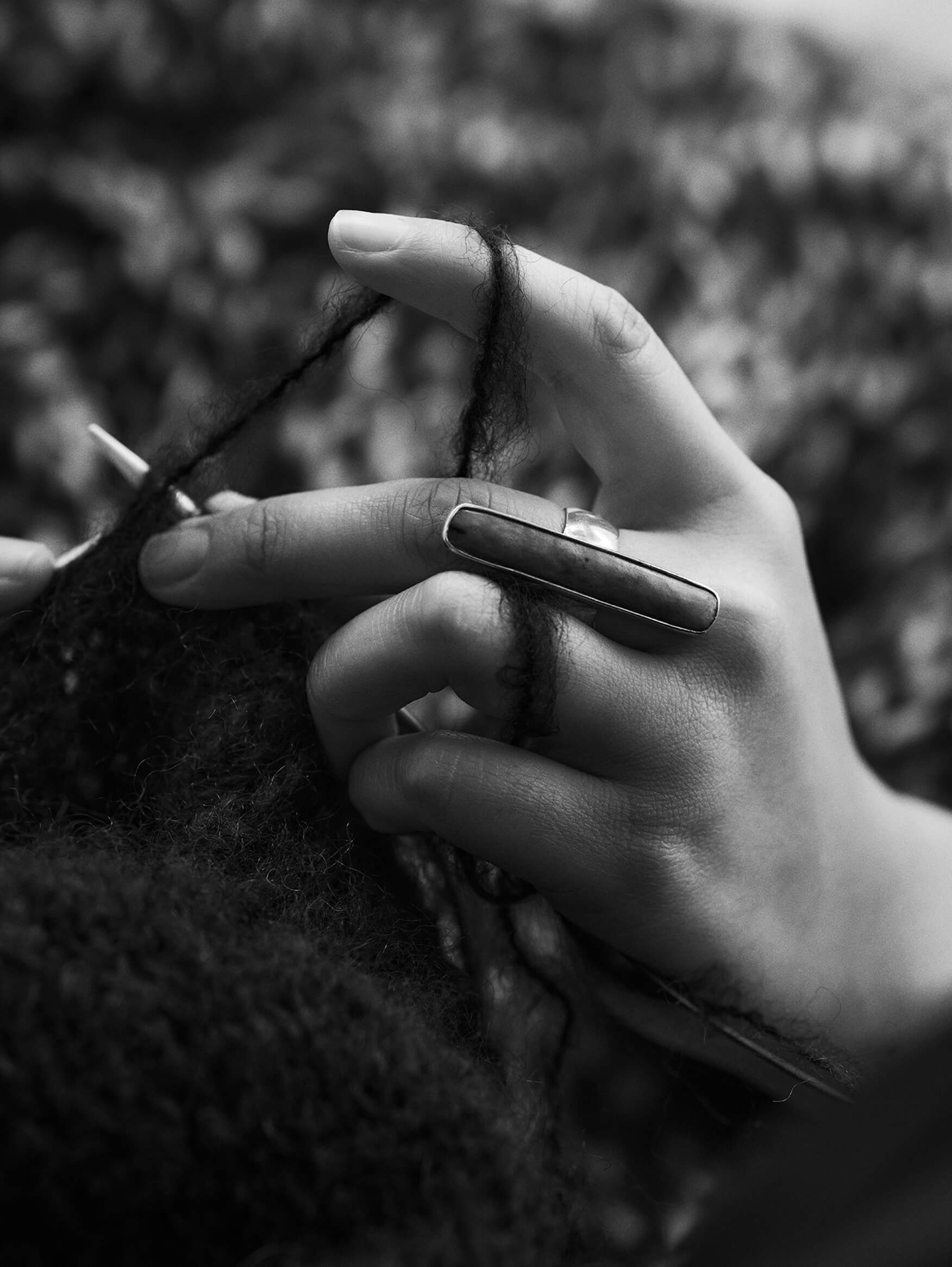
There is a particular kind of intimacy in handmade things. You can feel it before you even understand it. The hours sitting inside the fibres. The repetition. The patience. The quiet endurance of making something slowly with your own hands in a world that rewards speed above almost everything else.
Crochet Bae exists in opposition to that pace.
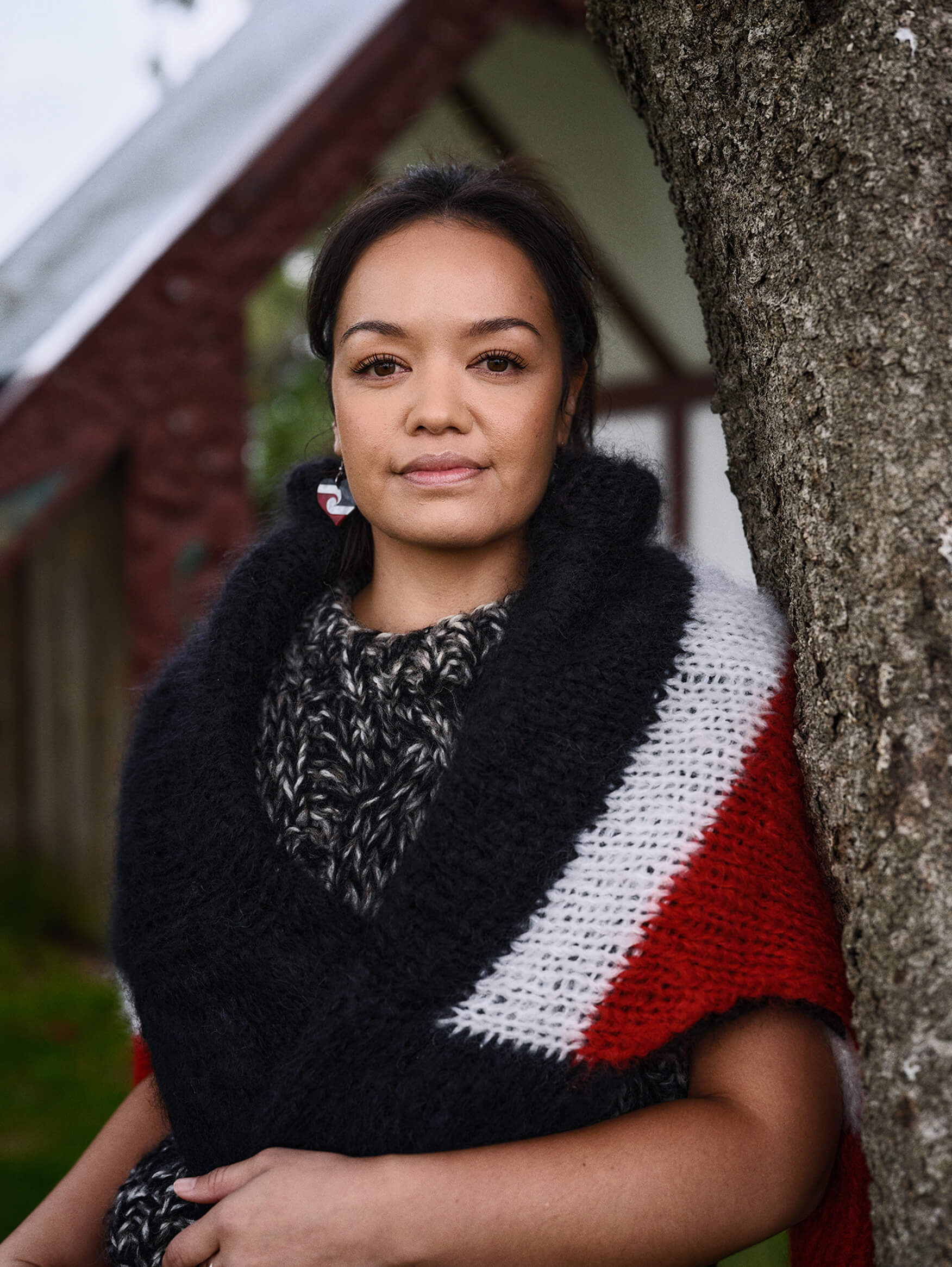
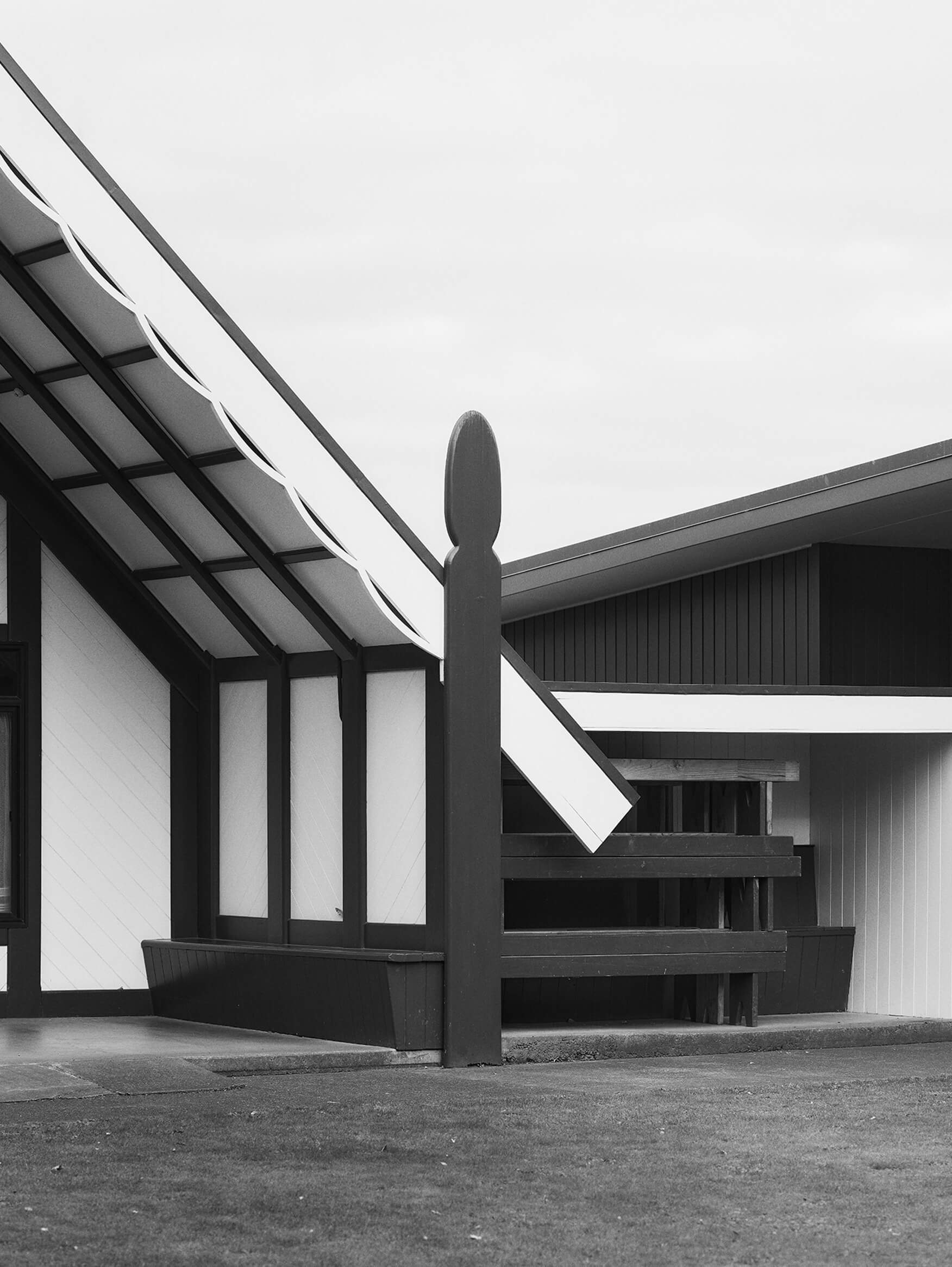
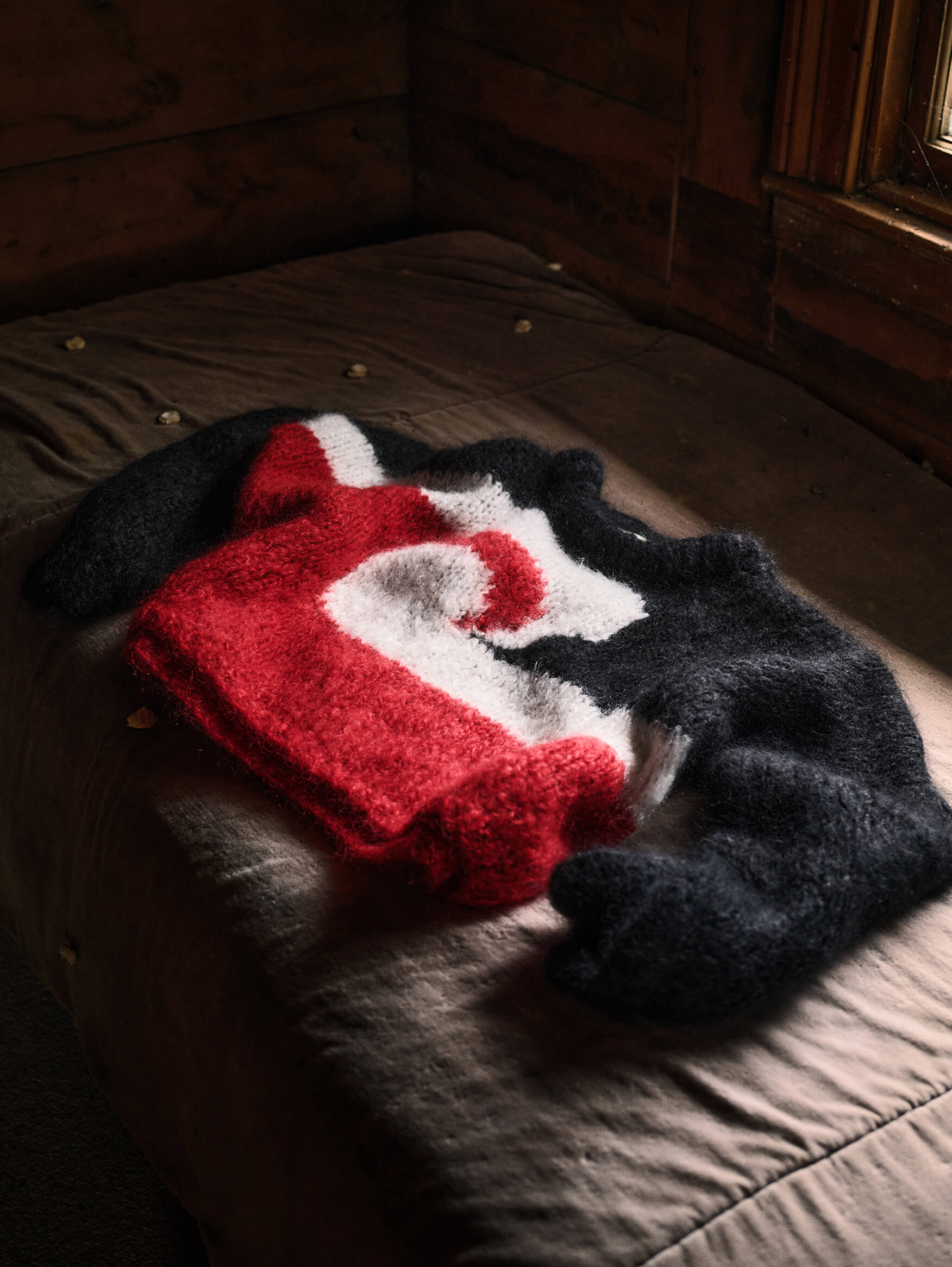
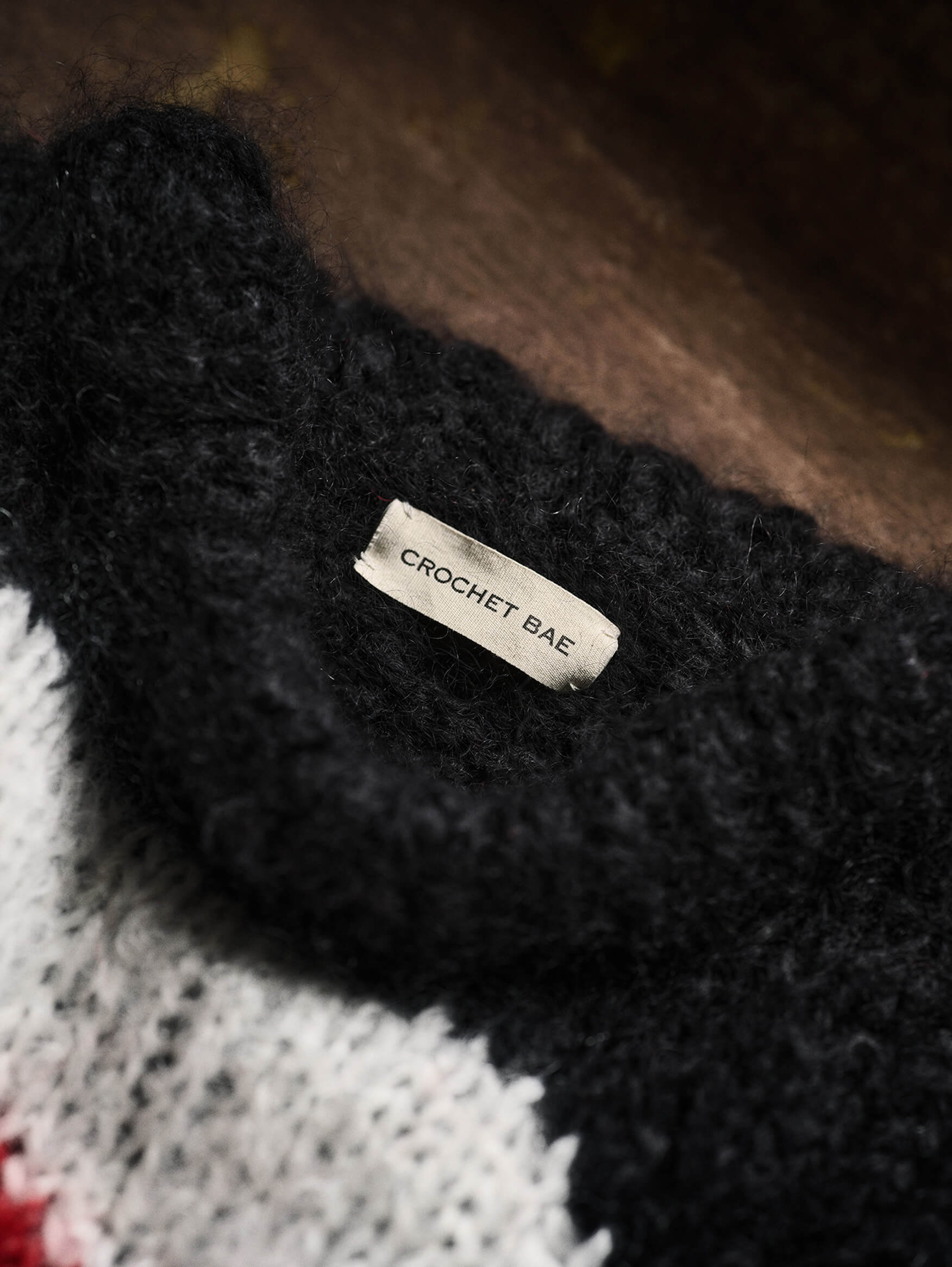
At New Zealand Fashion Week 2025, among the noise, spectacle and movement of the runway, Aorangi Durie-Kora’s work carried a different energy. Softer, but no less powerful. Her kākahu did not ask to be separated from the politics, whakapapa or lived realities that shaped them. They arrived whole. Unapologetically Māori. Unapologetically intentional.
Behind Crochet Bae is a maker whose life stretches across many roles at once: māmā, researcher, creative, daughter, thinker. And you can feel all of those identities speaking to one another through the work. Every stitch carries care. Every garment carries memory. Crochet becomes more than technique or aesthetic. It becomes a language for identity, resistance and survival.
What makes Aorangi’s work resonate so deeply is not only the visual impact of it, but the values underneath it. In an industry built on extraction and disposability, she chooses slowness. Chooses natural fibres. Chooses process over production. Chooses meaning over scale. Even success, in her world, is defined differently. Not by endless growth, but by remaining aligned with tikanga, whānau and whenua.
That refusal to compromise sits at the centre of Crochet Bae. So does tenderness.
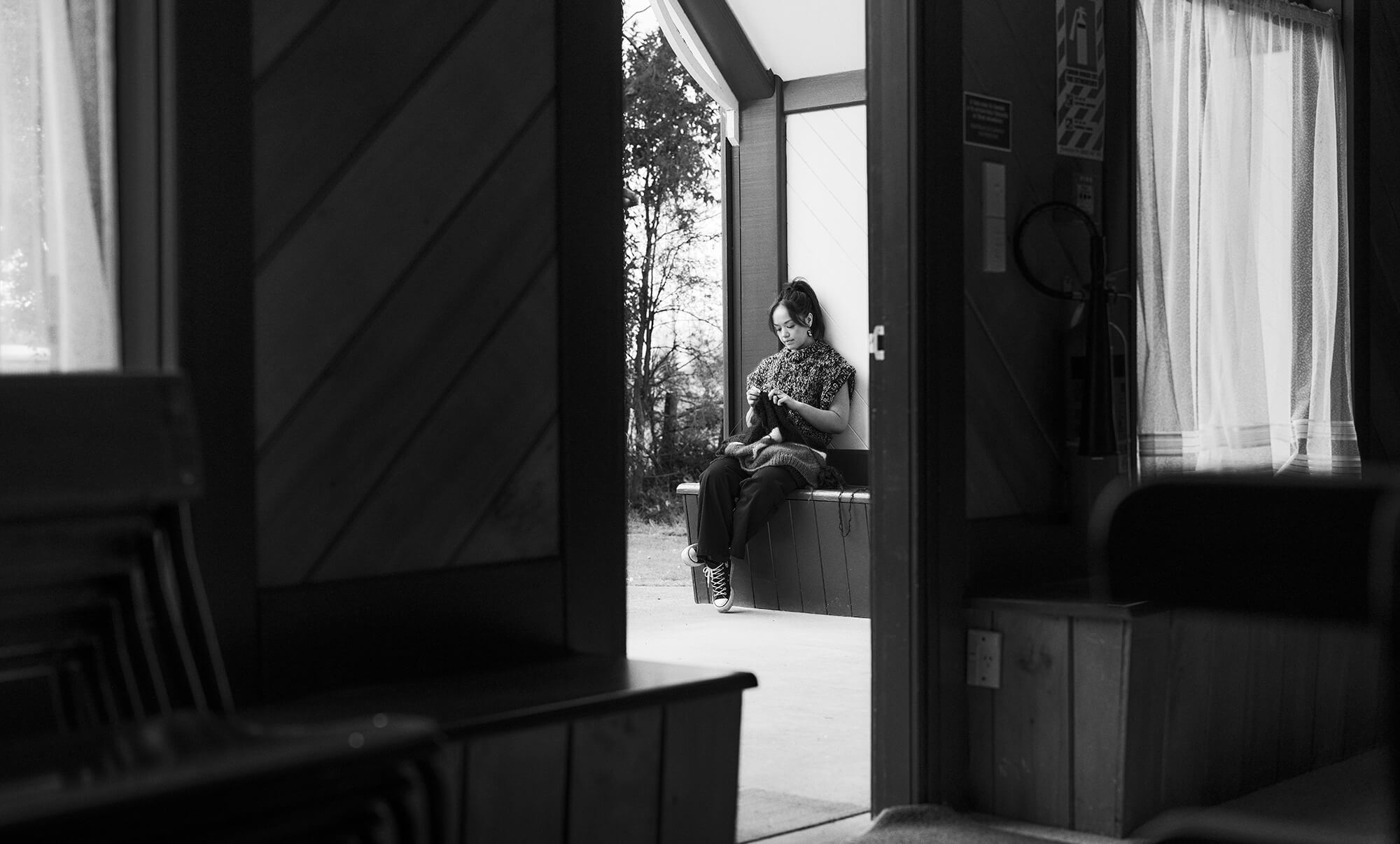
Because beneath the politics and symbolism is also something deeply human: a mother creating between responsibilities, a woman finding space for herself through making, a Māori creative carrying both pride and pressure into rooms not always built for her. There is exhaustion in that. But there is also power. The kind inherited through whakapapa. The kind held collectively through whānau. The kind that allows someone to remain soft without ever becoming fragile.
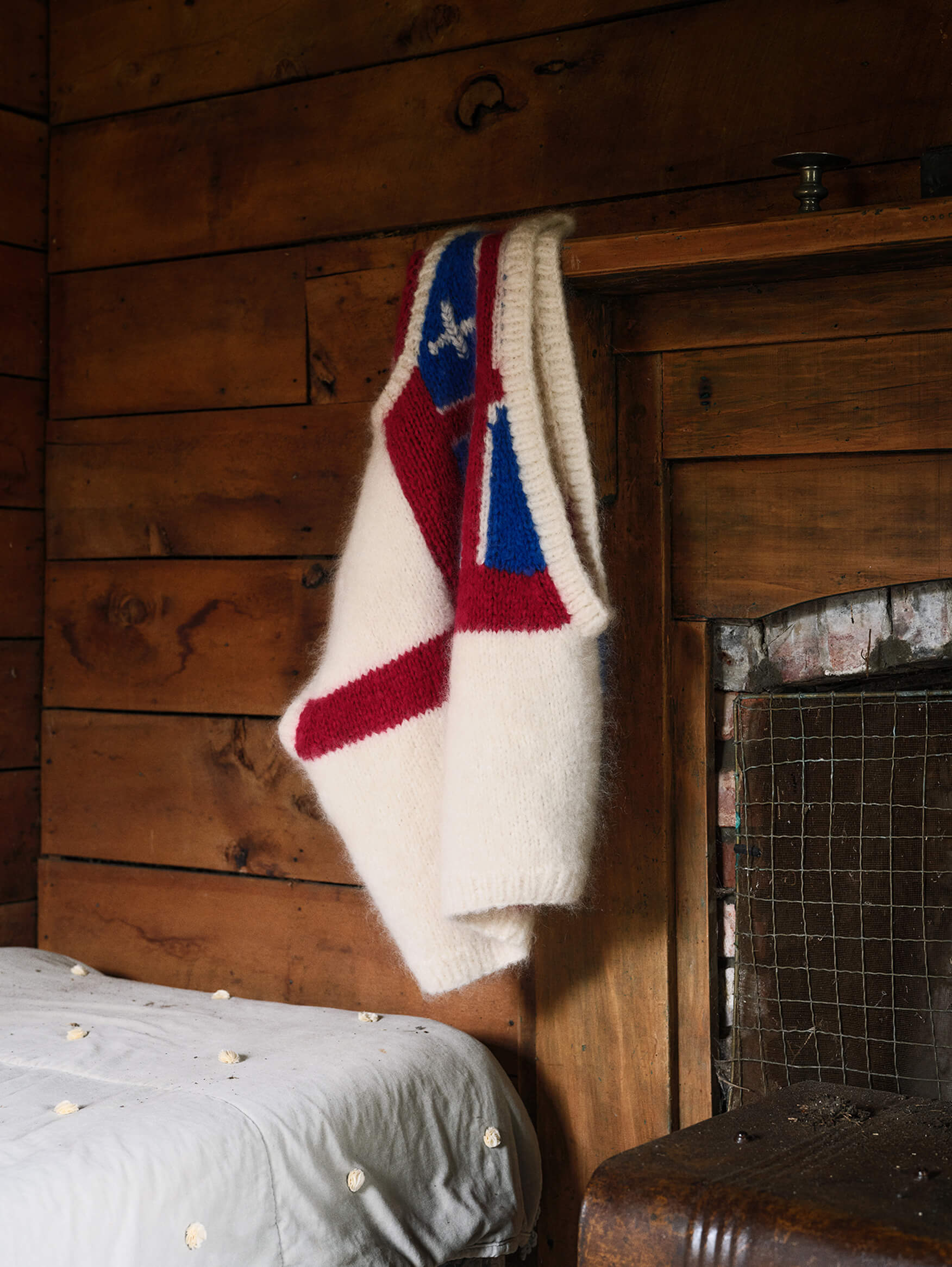
Even her presence on the runway extended beyond fashion itself. A fundraiser piece inspired by the Palestinian keffiyeh and flag colours became a reminder that solidarity can live inside design too. That clothing can carry grief, resistance and connection across oceans. That what we wear can say something about who we stand beside.
Crochet Bae reminds us that fashion does not have to exist separately from culture, responsibility or political consciousness. It can hold all of those things at once. It can challenge the systems it exists within. It can honour where we come from while imagining where we might go next.
Most of all, it reminds us that good things take time.
Not everything meaningful is made quickly. Some things are looped together slowly, by hand, over years. Some things are built through care, through resilience, through continuing to create even when the world demands urgency. Some things become powerful precisely because they refuse to rush.
When you think about your childhood, what comes to mind first?
I was born and raised in Ōpōtiki and had a pretty neat childhood there, so lots of cool memories. Lots of swimming at the beaches and rivers, playing out with all the other kids on the street until dark, until mum yelled out for us to come home.
What did growing up Māori teach you about strength or softness?
I probably took my Māori-ness for granted growing up, but as an adult I honestly think it’s a superpower. You take it with you wherever you go and if you know who you are it gives you a sense of confidence out in the world, especially in spaces where not many Māori are. There’s a sense of reassurance knowing I have a whole lot of whānau and tipuna who have me wherever I go, no matter what happens.
How did Crochet Bae begin?
It started as a hobby and turned into my creative outlet. I started learning how to crochet to keep myself occupied while my tamariki were away for a holiday and my first projects were hats and dresses. I shared them on my Instagram and whānau and friends started asking if I could make more for them, so I made a new Instagram page to share my creations with everyone. A friend suggested the name Crochet Bae and it has stuck ever since.
What inspired you to turn crochet into a brand?
I didn’t actually intend to start a brand from my crochet, it just happened organically from what started as a hobby. Once I started posting more on social media and my following grew, the brand kind of established itself as the recognition of my mahi grew.
At what point did you realise it had the potential to grow into something bigger?
I think it was when my social media following started blowing up and demand suddenly blew up with it. It is still just me making things myself though, and so growth for me probably doesn’t look like “scaling” the business as such because I still want to keep those slow, intentional practices rather than worrying about how I can make more money, so to speak.
It also showed me that people really do value slow, handmade, high-quality clothing in a world of fast fashion and mass-produced cheap plastic clothing. So I think there is also an opportunity to raise awareness of the cost of fashion, not just financially, but also the cost our practices as consumers and producers have on Papatūānuku.
You recently debuted at New Zealand Fashion Week 2025. What was that experience like?
Having my kākahu showcased on the runway was not something I anticipated at all last year so it was quite surreal, to be honest, but I’m so grateful I got the opportunity to showcase my mahi in that way. I consider myself more of a tutu than a fashion designer, but I guess that’s what fashion is, it’s just another form of self-expression and creative expression.
Did you feel a sense of responsibility representing your culture on that stage?
Yes definitely, although I think I feel a sense of responsibility when it comes to most things, not just to my culture but to my whānau and younger generations. I think there can also be a tendency to worry about being “too political” in some spaces but I don’t think such a thing exists and if we are adopting that line of thinking then maybe we are not in the right spaces.
I also wasn’t just conscious of what was on the runway either. The outfit I wore myself was a fundraiser piece for a whānau in Gaza and inspired by the patterns of a keffiyeh and colours of the Palestinian flag, so I also wanted to take that opportunity to remind us all that we have responsibilities to stand in solidarity with others who are also fighting against their own injustices.
You sought approval to use Whaea Lynda Dunn’s Tino Rangatiratanga flag in your designs. Why was that important to you?
As one of the original designers of the Tino Rangatiratanga kara it was only tika to get her approval to use it in my mahi.
How do you ensure everything you create aligns with your values and tikanga?
Knitting and crocheting is a very slow, intentional process anyway but combined with the fact I am a one-woman show means I can do things in a way where I don’t have to compromise on my ethics. So for example, choosing to use natural fibres over synthetic fibres and creating kākahu that will last for a long period of time aligns with my belief that fashion and making a quick buck shouldn’t come at the expense of Papatūānuku.
It’s also about recognising the value of the time, skill and thought that goes into producing each piece and not underselling myself.
Do you believe fashion can genuinely shift political consciousness, or does it mostly signal it?
I think it can do both. Obviously wearing a big, fluffy Tino Pōraka is an immediate visual expression of Tino Rangatiratanga and can empower people to be visibly bold and unapologetic in their identities.
But also, understanding the processes that go into making high-quality, ethical, sustainable fashion and the impact of those practices on our environments can help us become more conscious of our choices both as consumers and producers of fashion.
What message do you hope people take from your designs?
Firstly, to be radically and unapologetically Māori, and secondly that good things take time.
You’re finishing your PhD while running a fashion label and being a mother. How do you balance those roles?
I have lots of whānau support so I definitely don’t balance it all on my own, and wouldn’t be able to without that support.
In saying that, I think those different roles also balance each other. Being a māmā and my tamariki and whānau ground and support me, my PhD strengthens my taha hinengaro and gives me a sense of purpose and meaning, and knitting and crocheting is my creative and therapeutic outlet that allows me to take a break from everything else and to express myself in another way.
Balance to me also doesn’t necessarily mean trying to carry everything all at once, it can often mean just picking one thing up at a time to focus all my attention on and trying to be fully present with whatever that might be. Making time to look after my whare tapa whā and do things that fill my cup is also important to avoid burnout.
Does your research influence your creative work?
Not directly, but I am looking at resistance as a component of my PhD and so I guess I do see fashion and knitting and crochet as their own forms of resistance.
Where do you see Crochet Bae in the next five years?
Hopefully I will have been able to rope my siblings and cousin into knitting for me within that time so it can become a whānau venture. Having more hands would also give the ability to keep up with everyone’s orders, but also to be able to stock pieces in retail stores and develop some new fun designs to keep the creative juices flowing.
What do you hope your tamariki will one day understand about your journey?
As a māmā I think there will always be some level of mum guilt because I wear many different pōtae, but I just hope seeing all the things māmā does encourages them to follow whatever their passions are and to remember that whatever that is they have all of their whānau to support them to achieve their aspirations.
And also that they are capable of doing hard things.