

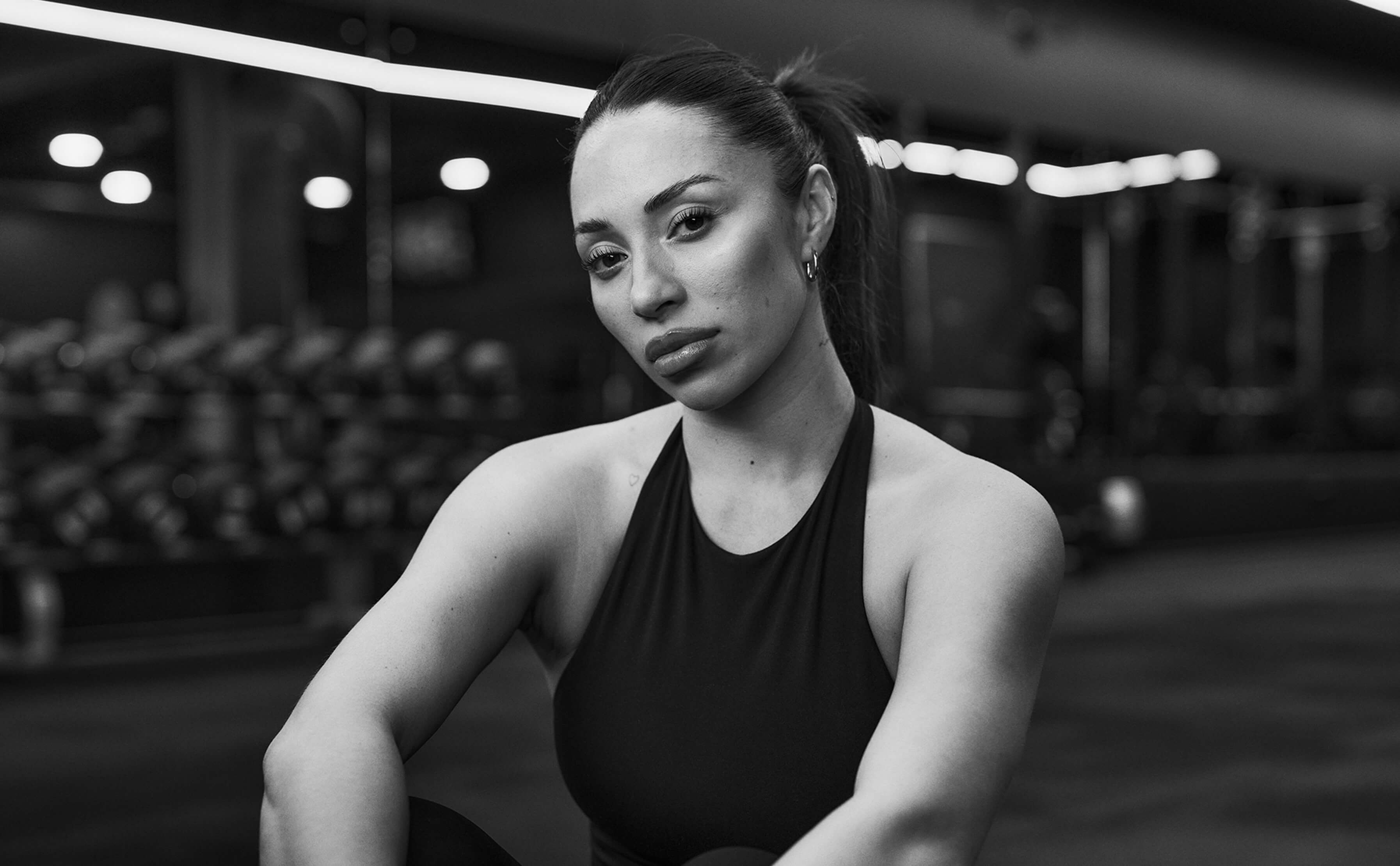
Amber Reid-Alatini
Built from Belief
Before there was a gym, there was belief.
Not the loud kind. Not the type that arrives fully formed with certainty and a business plan. The quieter kind. The kind inherited from people who showed up every day, carried responsibility without complaint, and created opportunities where none seemed to exist.
Amber Reid-Alatini’s childhood was shaped by stories of migration, sacrifice, disconnection, and resilience. Her parents came from very different worlds, but both carried experiences shaped by loss of culture, fractured identity, and the pursuit of something better. Those histories sit beneath much of what Amber speaks about, even when the conversation turns to business.
Because Cobalt was never really built around fitness.
Fitness was simply the vehicle.
What Amber appears to understand instinctively is that transformation rarely begins with a training programme. It begins with belonging. With confidence. With someone believing in you before you fully believe in yourself.
That philosophy runs through everything she has built.
What started with second-hand equipment, wedding savings, and a leap of faith during a global pandemic has grown into something much larger than a gym. Not because of branding, social media, or business strategy alone, but because people felt something when they walked through the door. They felt welcomed. Seen. Supported.
Community has become one of the most overused words in modern business. Yet listening to Amber describe Cobalt, you get the sense that community was never a marketing concept. It was the outcome of care repeated consistently over time.
The conversation also reveals the cost of building something meaningful.
The early mornings. The pressure of leadership. The sacrifices made as young parents. The tension of carrying responsibility for staff, members, family, and a growing brand while still trying to preserve parts of yourself. Amber speaks openly about exhaustion, about ambition, about the challenge of remaining visible while protecting your own wellbeing.
What emerges is not a founder obsessed with growth for growth's sake.
It is someone increasingly interested in peace.
Someone learning that success is not only measured by scale, but by the quality of life created around it.
Perhaps that is what makes this conversation resonate beyond business.
At its heart, it is a conversation about identity. About reconnection. About the things we inherit and the things we choose to build for ourselves. It is about creating spaces where people can become more fully who they are, while continuing to ask the same question of yourself.
The answer, it seems, is still unfolding.
And maybe that's the point.
Take us back to the beginning. Where you're from, and what your family carried before you.
Both of my parents came from very different environments, but both were places where culture and identity were fractured. My mum's mother was Māori and her father was German. Her mum left when she was young, so it was her and her five brothers being raised by their father in Kaikohe, and then later Auckland. She was estranged from her father at 16 and was nurtured by a foster family.
My dad is Anglo-Indian and was born in Darjeeling, India. His father left, his mum couldn't afford to care for the kids and they ended up at an English-speaking boarding school where they were forced to only speak English. Everything was very strict and suppressive, disconnected from culture. My dad was raising his little sister from the age of four while his mum had moved to New Zealand trying to build a better life for them. It took about five years to afford to bring the children here.
Both of my parents carried trauma and disconnection from their identity, and I think that shaped me deeply. They don't have a strong connection with their culture, and what that has meant for me is that I sometimes struggle with knowing exactly what to call myself. There are all these parts of me. But I would probably say I feel more Māori than anything.
I was born in Auckland, grew up in Auckland and later Tauranga after my parents separated. My mum eventually moved to Australia with my step dad in my last year of high school, which meant I was boarding while also serving as deputy head girl at Avondale College. It was a lot. I had a pretty intense boyfriend at the time, a lot of responsibility, and was just figuring things out on my own. Eventually I moved to Newcastle Australia to be near my mum again, and that's where I really started to understand business.
Someone in your early life modelled hard work without making it look like sacrifice. Who was that, and what did they leave in you?
Definitely my mum and stepdad. They worked hard, sacrificed a lot and always made things happen without really complaining about it.
The biggest thing they left in me was belief. Nothing ever felt impossible with them. They never made us feel like our ideas were stupid or unrealistic. They backed us fully, gave us opportunities inside their business and trusted us with responsibility at a young age.
Growing up around their wholesale liquor business taught me so much. I started in reception, then accounts receivable, accounts payable, customer service management. I learned every part of how a business runs because they allowed me to. My husband Willis had a similar upbringing, in the warehouse, then as warehouse manager, then logistics manager. Both of us understood hard work and systems from a young age. We wouldn't have started Cobalt without them, for sure.
What was missing in the fitness world that frustrated you enough to do something about it?
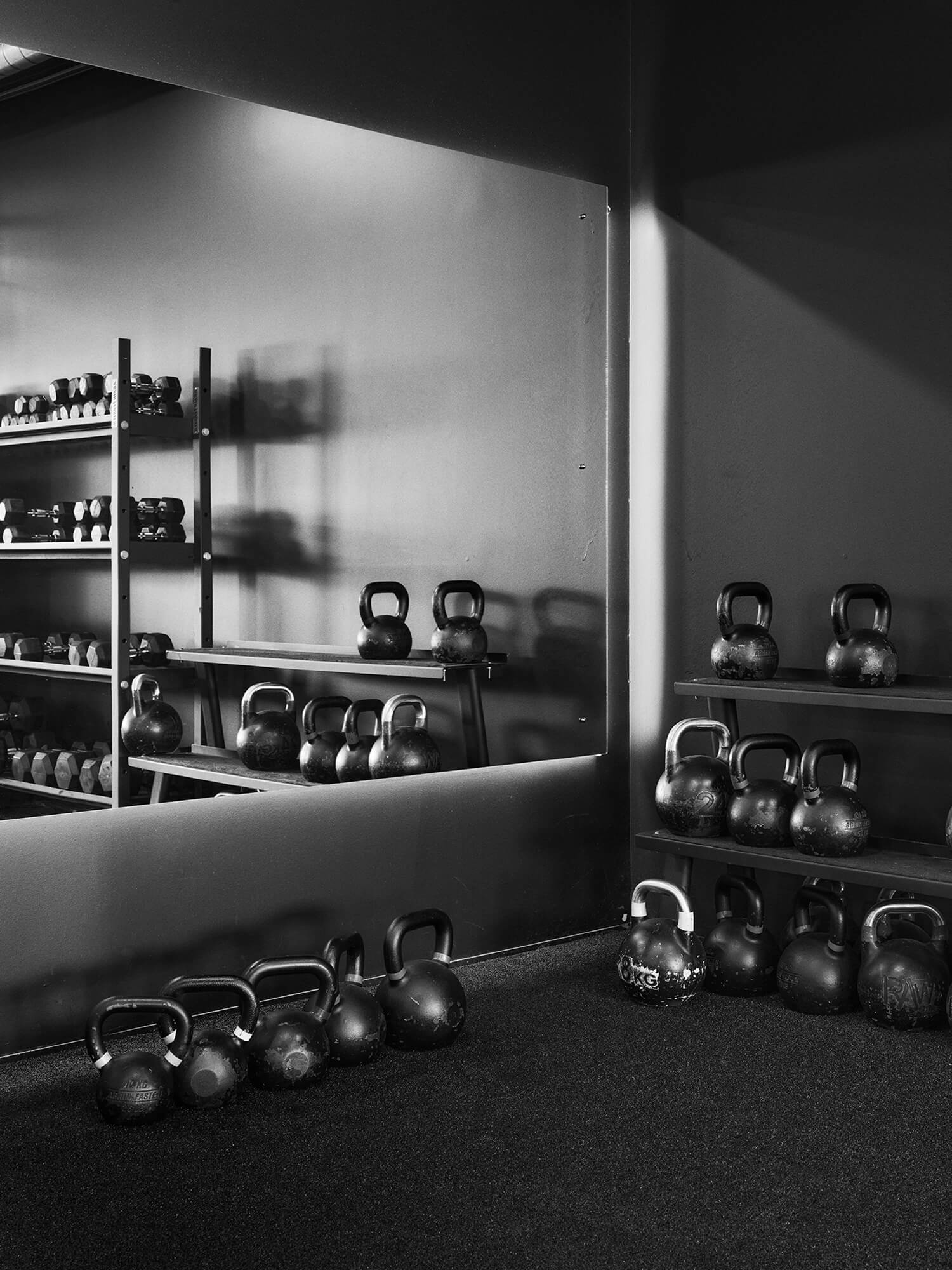
At the time we started, fitness felt really intimidating and complex. Not many people knew proper form and technique or basic training principles, and there was just no place teaching this or providing a comfortable space to start.
Everyone in this country did, and still does, CrossFit or higher-intensity strength and conditioning style programming. No one was slowing things down, teaching correct form, and programming specifically for hypertrophy, which is our specific training style. We noticed a huge gap in the market and wanted to provide education, support, and a really fun and vibrant space for people to gain confidence and feel beautiful and welcomed.
Most people see the same gap and keep walking. What made you actually jump?
I have always had a passion for making people feel beautiful and confident, whether through beauty or fitness. I've always known this was my gift and calling, and settling for a normal job has never felt right for me.
Once I found my love for fitness and experienced my own transformation, I was pulled to teach others too. We had our son in Australia and knew we wanted to move home to bring him up. We weren't going to come home and just do any job. It was a chance to come home and change the game, influence the fitness culture, and we really felt that in our soul.
We didn't have a lot of money. We used the savings we'd put aside for our wedding, bought second-hand equipment online during lockdown, packed a container and shipped everything over to New Zealand. Got a lease over FaceTime and just did it. There wasn't a perfect business plan. We just believed in the vision enough to jump.
Building a business with your partner while also raising a family - what does that kind of partnership actually demand?
It demands patience more than anything. Building a business together while raising kids means there's almost no separation between work and life. You're constantly communicating, solving problems and carrying pressure together.
There are definitely moments where it becomes overwhelming because you don't switch off from each other. Sometimes you miss just being partners instead of business partners. But at the same time, I genuinely don't think anyone could do what we do together better than us. We balance each other really well because we're very different. We both bring different strengths into the business and into our family, and that's what makes it work.
Every business has a moment where the founder nearly walks away. Did Cobalt have one of those?
The hardest moment for us was when Willis and I were going through struggles in our personal lives. It's really hard to show up in a business like this when you aren't okay. It demands you to give so much of yourself to others, and when you don't have much to give, it's really challenging.

When did Cobalt stop being just a gym?
We realised it quite early. When COVID hit we moved online and the timing was perfect. We created an app and ran our biggest challenge with around 600 people taking part from home. That really propelled us into a different space. The challenges always get huge uptake from members nationwide and globally.
As time went on it became clear the online side of the business was growing fast, and we recognised the opportunity to scale. That shift told us something about what Cobalt had become: it wasn't the physical space.We had created a strong brand that delivered results wherever people were.
We began having big companies like Red Bull, Tank and EHP Labs reaching out to work with us, and that's when we really understood the strength of what we'd built.
Describe the women who come to Cobalt - not their fitness goals, but who they actually are.
Honestly, we have witnessed the most incredible transformations in hundreds of women. We've seen lives, relationships and confidence grow enormously. We were obviously their gym, but the work we were doing - providing a safe, encouraging, confidence-boosting space, was trickling through their entire lives. I believe a lot of people really need that extra love and sense of belonging that we provide.
Community is easy to claim and hard to build. What specifically made Cobalt's real?
It comes back to how people feel, which we instill from the moment they walk in.
We're warm and genuine. We give people the time of day, know everyone by name and make sure they feel included. By leading by example, everyone follows suit. Our members are all so lovely and ensure new members feel comfortable.
We also created a space where couples train together. We made it cool to work out with your partner. At one point I remember looking around the room and counting about eight couples. It was the most rewarding feeling, because I know how powerful that is for relationships.
What has building Cobalt cost you personally?
Pretty much every decision; creative and strategic is made by me. Our products and offerings, our challenges, our marketing campaigns. I believe I'm great at it, but there’s just so much pressure in this industry because people need to be constantly motivated. So you're constantly grinding, constantly thinking of new ways to keep people excited and engaged. It’s a lot of brain work and pressure and I have really felt that exhaustion.
Taking Cobalt fully online, what are you most determined not to lose in that move?
The feeling and the community. We're planning pop-up events, community workouts, challenges, things that keep people physically connected to each other even when the main platform is digital.
Becoming a mother changed something fundamental in you. What actually shifted, not the version you'd say publicly, the real one?
When I had Rome and went through that first postpartum phase, I had this extra urge to create something special. Although the guilt was real. We put Rome into daycare really early. We were living with Willis's parents and would leave him in bed at four in the morning to go to work. He'd wake up and the grandparents would be there. He was one year old. That still breaks my heart. But it was only six months before we could hire our first staff member, and then the sacrifice felt worth something.
You've had almost a full year now with your youngest. What has this season asked of you that nothing else has?
This season has made me chase peace. Everything has been so fast, so stressful, so chaotic for so long and now I just want to be calm. I want a morning routine where I can wake up, walk the dog, get a coffee and start my day when I'm ready. That's the dream right now. I'm aware it's a privilege to be able to choose that, and I take that seriously. Stress is the biggest killer.
How does your leadership actually show up?
Love over everything. I lead in a way that makes people feel seen and see the best in themselves. I look after our staff, but more than that, they see how I treat people and they take that with them. Everything I do is very heart-centred. People come back because of how we make them feel. If you can make people feel something, they will follow you. That is the overarching theme of my life.
What did you have to unlearn to become the person running all of this?
Doing everything myself. That was the hardest thing, learning to delegate when you're good at everything and you have high standards. The high achiever in me has a sharp eye for everything the team does, so letting go of the reins was genuinely difficult. I have a very busy brain doing a hundred things at once. Learning to share the load, to let someone else's version of something be good enough - that took time.
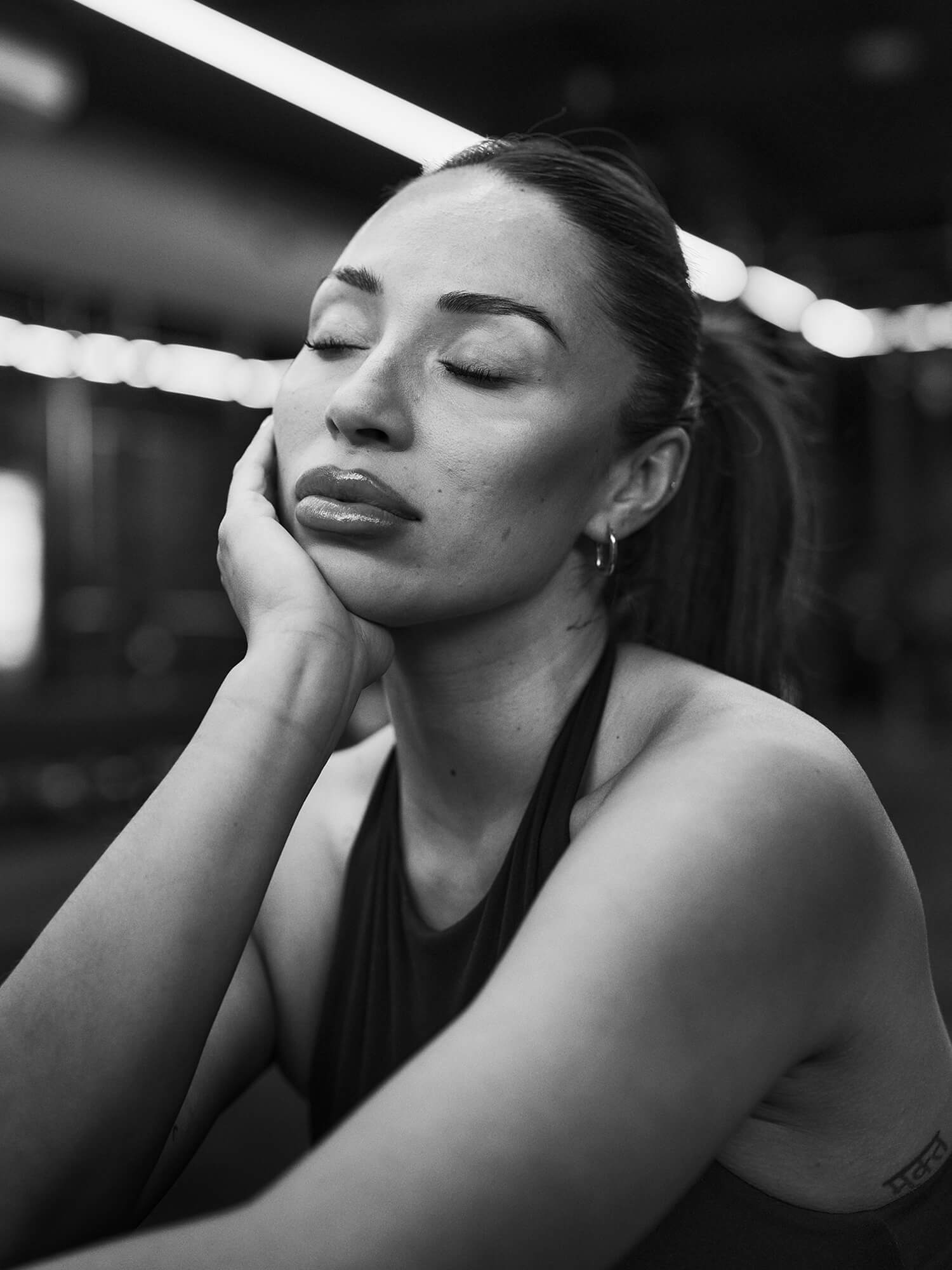
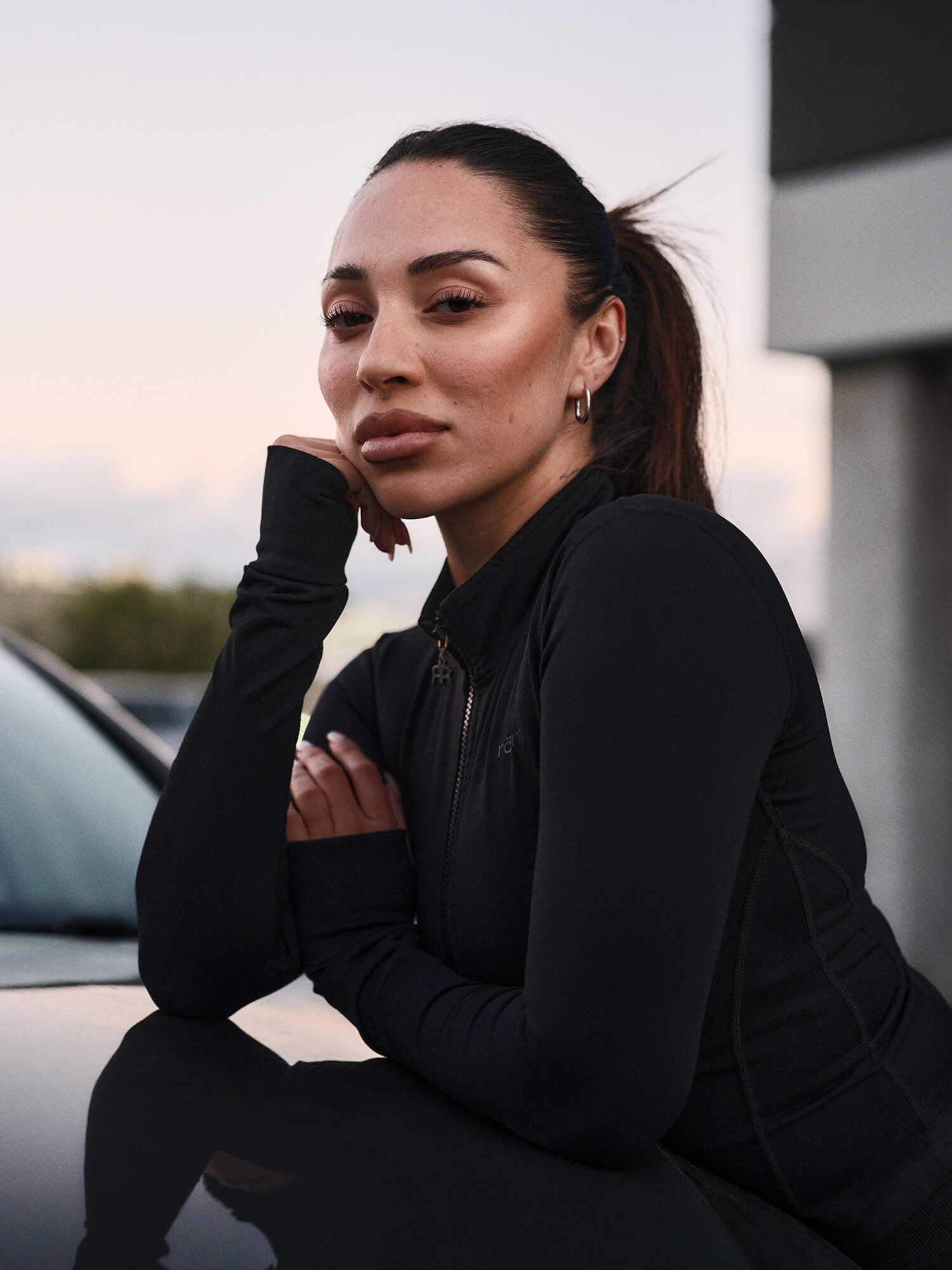
What has being a visible woman in business actually looked like for you?
People think they're entitled to know your life. You have to share a lot to get people to like you, to keep watching, and then the same exposure that builds your platform is the thing that makes you want to disappear for a week. It's a double-edged sword. I feel the responsibility of people being tied to me, and there are times I want to step back from social media completely. Then I remember it's also my job and there are things I've committed to. Going more fully online means I'll need to grow that presence intentionally, which is both exciting and heavy.
The next generation of Māori women in business, what do you want the landscape to look like for them?
I want the tall poppy syndrome to be gone. New Zealand can be so small-minded and worried about what everyone else thinks. I've seen Māori living overseas who just operate differently, who grind without that self-consciousness, who back themselves without apology. That's what I want for the next generation here. Confidence. The belief that you are absolutely capable, whatever your starting point. Create the room for it to happen.
When you're no longer the one building it, what do you want Cobalt to say about what you stood for?
That we changed lives. That's it, really. That we impacted people's lives in the best way and allowed them to live the best versions of themselves.
What are you most quietly proud of right now and what still keeps you reaching?
The community. A hundred percent. The sheer number of lives that have shifted because of this space, that's something I'll carry forever. What keeps me reaching is knowing we've only just started. Also the Anytime Fitness partnership - white-labelling our classes, rolling them out across the biggest fitness franchise in the world. That's IP, that's passive income, that's Cobalt's methodology reaching people we'll never meet in person. From here it's just about building. Keep building.
You mentioned earlier that parts of your identity were fractured by your parents' journeys. Where are you now with your reconnection to te ao Māori?
As I've gotten into my thirties, I have friends who are diving deep, learning te reo Māori, going full immersion, and I'm more open now than I've ever been to wanting to learn more. There's always been something that felt missing. I want to reconnect all the dots that were lost with my parents, to find out exactly what and who I am. I feel like I'm moving in that direction. Slowly, but genuinely.